


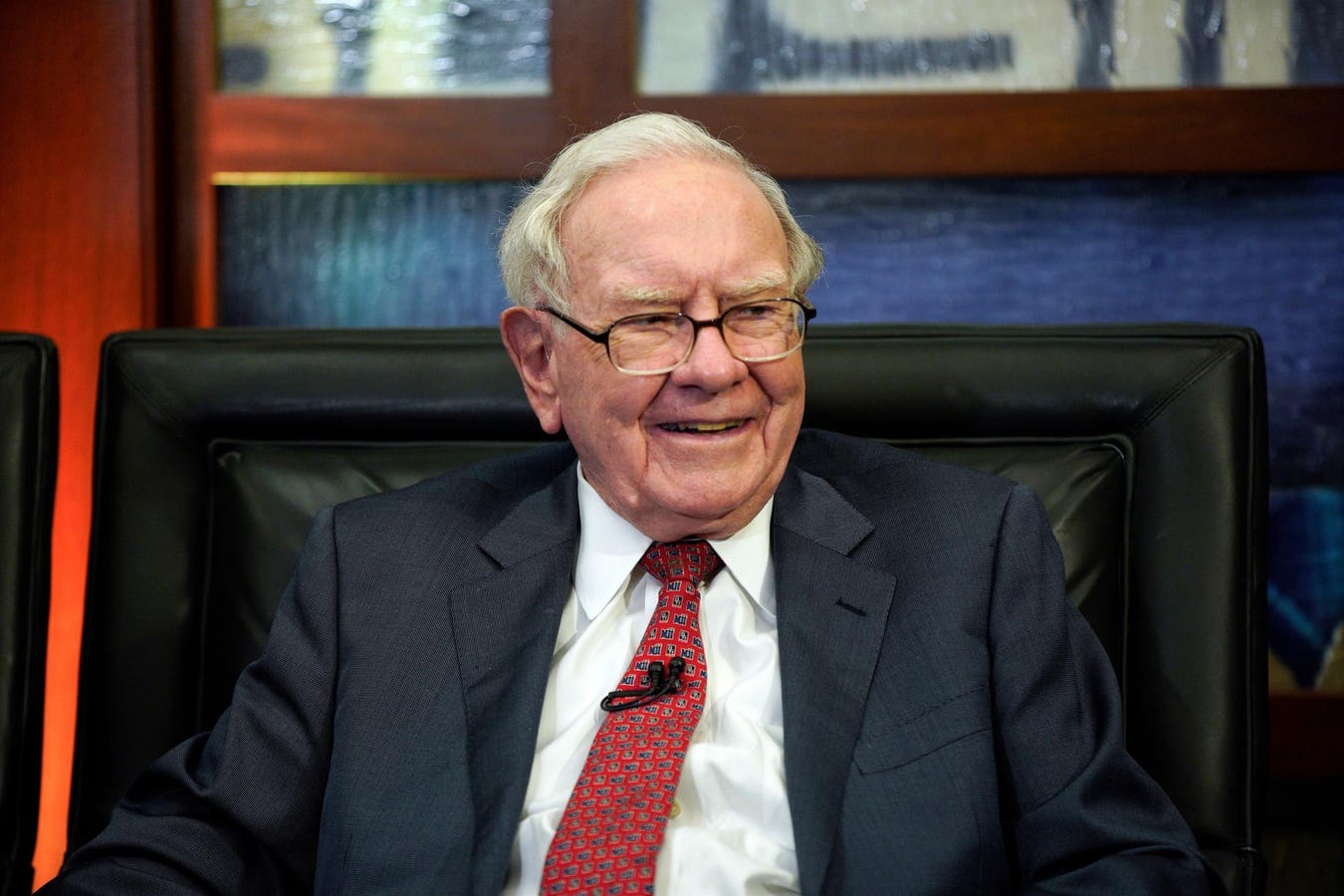
Berkshire Hathaway reported fourth-quarter earnings of nearly $19.2 billion, marking the final quarter under Warren Buffett’s tenure as CEO. The Berkshire Hathaway earnings fell short of the $19.7 billion reported in the same quarter of 2024, primarily due to lower operating profits and an impairment of the company’s Occidental Petroleum investment. Operating earnings, which exclude market fluctuations and better reflect the firm’s underlying performance, declined 30% for the quarter compared to the previous year.
Greg Abel officially assumed the CEO role at the beginning of this year, while Buffett retained the chairman title. Per-share operating income decreased 30% for the quarter, with no share repurchases executed over the past year. For full-year 2025, headline earnings fell 25%, though operating earnings and operating earnings per share declined a more modest 6% from 2024 levels, according to the company’s financial statements.
Insurance Segment Drives Berkshire Hathaway Earnings Decline
The insurance business, Berkshire’s most significant segment by operating earnings, served as the primary driver behind the decline in quarterly and annual performance. Buffett had previously noted at the annual meeting that insurance earnings in 2024 were exceptionally strong, making the pullback less surprising. However, the company’s insurance float increased by $5 billion to $176 billion compared to December 31, 2024, demonstrating continued capacity for investment.
Additionally, Berkshire maintained profitable underwriting across all three main insurance businesses: GEICO, Berkshire Hathaway Primary Group, and Berkshire Hathaway Reinsurance Group. GEICO achieved a combined ratio of 84.7% in 2025, meaning only 84.7 cents of every premium dollar went toward losses and expenses. Investment income from the insurance segment fell 8% below 2024 levels, primarily reflecting lower short-term interest rates and capital distributions from insurance subsidiaries at the end of 2024.
Meanwhile, Abel warned that industry trends suggest Berkshire will likely write less property and casualty business in the near term. He noted that after several years of pricing adjustments, the industry began experiencing a deceleration or reversal of these trends in late 2025, particularly affecting reinsurance operations.
Railroad and Utilities Post Mixed Results
The Burlington Northern Santa Fe railroad reported approximately 9% higher operating earnings versus the previous year, driven primarily by productivity improvements. The railroad’s operating ratio continued to improve in the fourth quarter, though Abel acknowledged the gap to industry leaders remains too wide. Freight volume showed modest improvement, contributing to the positive performance in this segment.
In contrast, Berkshire Hathaway Energy experienced challenges, with after-tax operating earnings falling 1.1% year-over-year for 2025. Pacificorp’s wildfire loss accruals totaled $100 million in 2025, down from $346 million in 2024, but still weighing on overall utilities performance. Abel emphasized that investment decisions depend on regulators maintaining the compact allowing utilities to earn reasonable returns on invested capital.
Manufacturing and Retail Segments Show Divergent Performance
The Manufacturing, Service and Retailing segment reported pretax earnings growth of 3.8% versus the prior year, though individual businesses within the segment showed widely varying results. Precision Castparts demonstrated a strong rebound from pandemic-era challenges, generating $2.4 billion in net cash flows from operating activities. This represents a significant improvement from the $900 million average in 2021 and 2022, according to Abel’s annual letter.
However, Lubrizol experienced a 20.6% decline in pretax earnings due to lower prices, reduced volumes, and higher costs. The service group posted a 17.2% increase in pretax earnings, primarily attributable to aviation services and TTI, an electronic component distributor. The retailing group reported 4.2% lower pretax earnings, with sluggish customer demand attributed to increased competition and higher economic uncertainty.
Cash Position Reaches Record Levels
Berkshire’s cash and equivalents reached $373.3 billion at year-end, representing approximately 30.5% of the company’s total assets. This marks the thirteenth consecutive quarter of net stock sales, with Berkshire selling $6.6 billion while purchasing $3.5 billion in publicly traded stocks during the fourth quarter. Abel directly addressed concerns about this substantial cash position, stating it does not signal a retreat from investing but rather reflects patience and discipline in pursuing opportunities.
The company’s price-to-book ratio remained between 1.5 and 1.8 times during 2025, above the level where significant share repurchases typically occur. Berkshire has not repurchased stock for six consecutive quarters, maintaining its policy of only buying back shares when they trade below intrinsic value, conservatively determined. Abel confirmed that share repurchases remain a tool for creating shareholder value when the valuation is compelling.
New CEO Outlines Operating Focus
In his first annual letter as CEO, Abel emphasized operational excellence while maintaining Berkshire’s decentralized management model and long-term value creation principles. He identified several businesses requiring improvement and provided clear performance goals, representing a shift from Buffett’s primary focus on capital allocation. The new CEO noted that Berkshire completed the acquisition of OxyChem from Occidental Petroleum for $9.7 billion, along with purchasing Bell Laboratories for an undisclosed amount.
Abel also indicated that insurance industry headwinds will likely constrain operating earnings growth in 2026, particularly as short-term interest rates decline and reduce interest income on Berkshire’s cash holdings. He stressed that the company will maintain underwriting discipline even if it means writing less business during periods of inadequate pricing. Berkshire’s stock price rose 10.9% in 2025, underperforming the S&P 500’s total return of 17.9%.
The company’s annual meeting in May will feature a new format with Abel and other executives taking questions about specific business segments, though Buffett will remain as chairman. Shareholders and analysts expect to gain deeper insights into the operations, opportunities, and challenges across Berkshire’s diverse businesses under this evolved approach.