





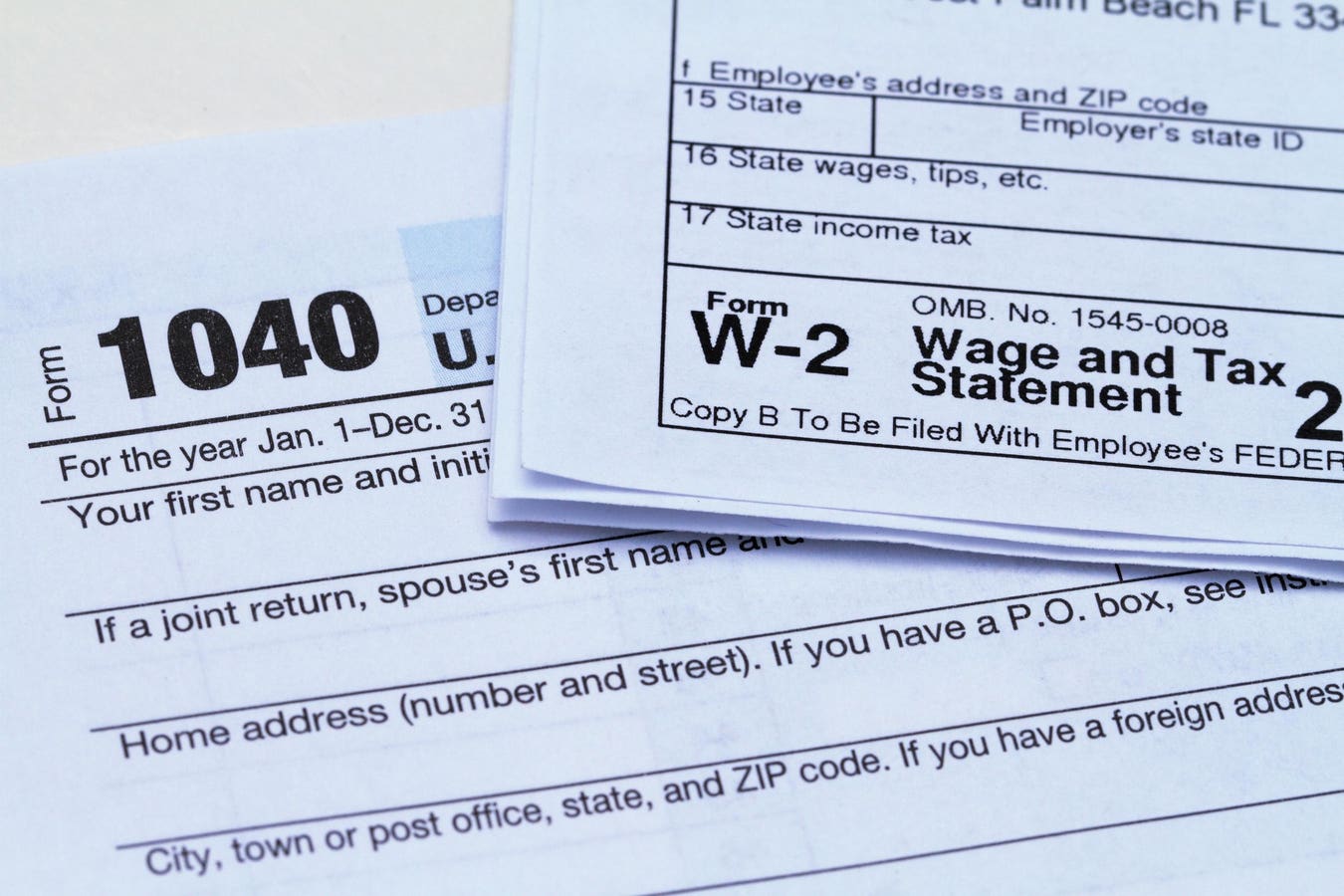
As the 2026 tax filing season officially opens on January 26, taxpayers across the country should begin receiving crucial tax documents needed to complete their returns. Understanding tax form deadlines and knowing what to do if forms don’t arrive on time can help prevent delays and frustration during this busy period. With several important due dates approaching in early February, now is the time to organize your records and prepare for filing.
The most important tax form for most workers, Form W-2, must be furnished by employers no later than February 2, 2026. According to IRS guidelines, this deadline reflects the fact that January 31 falls on a Saturday this year, giving employers until the next business day to deliver the forms to employees.
Understanding Form W-2 Requirements and Special Considerations
Employers are required to provide Form W-2 by early February without exception, as there is no automatic extension available for furnishing these documents to employees. A form is considered timely if it is properly addressed and mailed on or before the due date. However, taxpayers should be aware that Forms W-2 may not include all details necessary for claiming certain new tax benefits.
Additionally, workers who received tips or overtime pay in 2025 should maintain detailed records beyond what appears on their Form W-2. According to recent IRS guidance, employees may be eligible for special deductions on qualified overtime pay of up to $12,500, or $25,000 for married taxpayers filing jointly, while tipped employees can claim a maximum annual deduction of $25,000. These benefits require careful documentation including pay stubs, tip logs, and time records.
Tax Form Deadlines for 1099 Series and Other Documents
Meanwhile, most Forms 1099 follow the same February 2, 2026 deadline as Forms W-2. Form 1099-NEC, which reports payments to independent contractors, must be furnished by this date with no automatic extension available. The IRS uses these forms early in the filing season to match contractor income against tax returns.
Form 1099-INT for interest income and Form 1099-DIV for dividends and distributions are also due to recipients by February 2, 2026. However, some Forms 1099 have slightly later furnishing deadlines. Form 1099-MISC reporting rents, royalties, and prizes is generally due by February 17, 2026, except when reporting certain payments such as attorney fees, which remain subject to the earlier deadline.
In contrast, Form 5498 follows a different timeline with a due date of June 1, 2026. This form reports IRA contributions, rollovers, and Roth conversions, and the later deadline accommodates the fact that IRA contributions can be made until the tax filing deadline of April 15, 2026. Taxpayers do not need Form 5498 to file their tax return, according to the IRS.
Electronic Delivery and Where to Look for Missing Tax Forms
It is increasingly common for tax documents to be delivered electronically rather than by mail. Many taxpayers may have consented to electronic delivery through payroll portals, online banking accounts, or brokerage platforms without fully remembering. Before assuming a form is missing, taxpayers should check email inboxes, spam folders, and any online accounts associated with employers, financial institutions, or payment processors.
Furthermore, some forms may arrive at unexpected times based on when certain transactions occurred. For example, Form 1099-INT for redeemed U.S. savings bonds may have been issued at the time of redemption, while Form 1098-C for vehicle donations is typically provided within 30 days of the contribution or sale.
What to Do When Tax Forms Don’t Arrive
If a tax form hasn’t arrived by its due date, taxpayers should first thoroughly check their physical and electronic records. Forms can easily be misplaced among other mail or overlooked in online portals. Once confident the form is truly missing, the next step is to contact the issuer directly, as the problem may involve an incorrect address or lost mail.
The IRS generally advises taxpayers to wait until the end of February before escalating missing form issues. If a required form still hasn’t been received by then, taxpayers should call the IRS at 1-800-829-1040 with identifying information and details about the employer or payer, along with estimates of wages and withholding based on final pay stubs or account statements.
In cases where the form doesn’t arrive in time to meet the April filing deadline, the IRS permits taxpayers to file using Form 4852 as a substitute for Forms W-2 or certain 1099s. However, this should only be used after making a good-faith effort to obtain the original document, and estimates must be reasonable and based on the best available information.
Special Rules for Social Security and Pass-Through Entities
Missing Social Security forms follow a different process than other tax documents. Taxpayers who didn’t receive Form SSA-1099 or SSA-1042 can typically print a copy online at the Social Security Administration website beginning February 2, 2026. Those without online access should contact the SSA directly at 1-800-772-1213 or visit a local Social Security office.
Additionally, taxpayers waiting for information from trusts, estates, partnerships, S corporations, or LLCs should expect delays. These pass-through entities must complete their own returns before issuing Schedules K-1, which often means individual taxpayers receive their information later in the filing season.
Why Waiting for All Forms Matters
Tax professionals strongly recommend waiting to file until all tax forms are received. The IRS prohibits tax preparers from e-filing returns without certain forms including Forms W-2, W-2G, and 1099-R. Filing before all forms arrive can increase audit risk, as the IRS automatically matches Forms W-2 and 1099 against reported income, and discrepancies trigger reviews.
If taxpayers receive the actual form after filing with Form 4852 and the information differs, they are required to amend their return using Form 1040-X. This creates additional work and potential delays in processing refunds or resolving tax liabilities.
Most tax forms should arrive by mid-February, but taxpayers with complex financial situations involving pass-through entities or late-filing investment accounts may need to wait longer. The IRS emphasizes that filing complete and accurate returns is always preferable to rushing to file with incomplete information.