





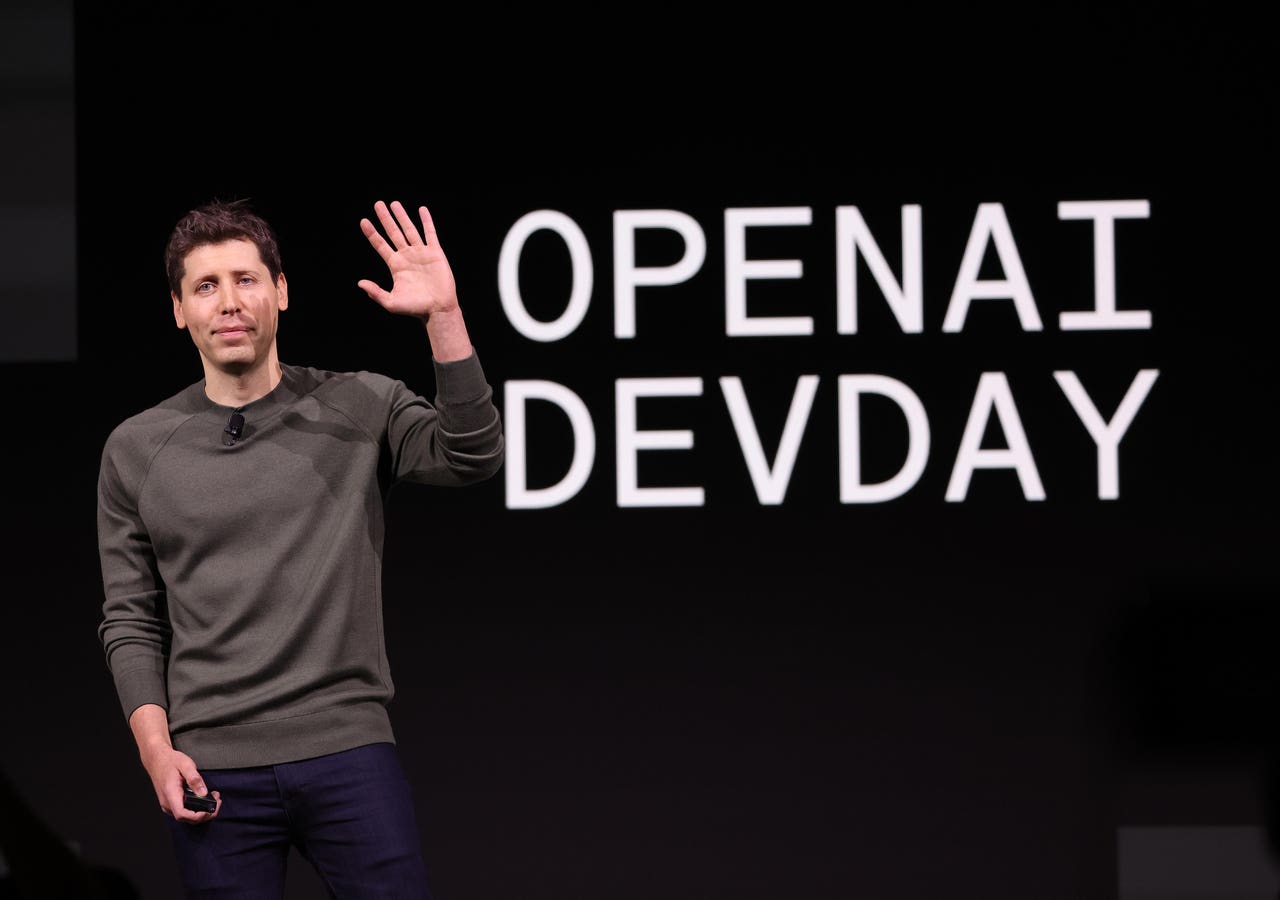
OpenAI is developing its first consumer hardware device, a ChatGPT smart speaker equipped with a camera capable of object and facial recognition, according to a report from The Information. The device, expected to retail between $200 and $300, represents the artificial intelligence company’s first major push into consumer hardware beyond software applications. The ChatGPT smart speaker is anticipated to launch in 2027, though specific release dates have not been confirmed by the company.
The report indicates that OpenAI is also exploring additional hardware products, including smart glasses and a smart lamp. The facial recognition feature on the speaker could potentially be used to verify purchases, according to early details shared by The Information. This expansion into physical devices marks a significant shift in OpenAI’s business strategy as it seeks to diversify beyond its core AI software offerings.
Understanding the ChatGPT Smart Speaker Strategy
The move into consumer hardware reflects OpenAI’s desire to compete more directly with established technology giants like Amazon, Apple, and Google. These companies already offer smart speakers and voice-activated devices that integrate artificial intelligence assistants into consumers’ daily lives. By developing a ChatGPT smart speaker, OpenAI aims to bring its advanced language model directly into homes and offices.
Additionally, the camera integration distinguishes OpenAI’s approach from many existing smart speakers. The object recognition capability could enable users to ask questions about items in their environment, while facial recognition might streamline authentication for various tasks. However, privacy concerns surrounding cameras and facial recognition technology may present challenges for consumer adoption.
Implications for Small Business Technology Ecosystems
The development of OpenAI hardware creates new considerations for businesses evaluating their technology infrastructure. Companies will increasingly need to choose between competing AI ecosystems, each offering integrated software and hardware solutions. This decision will affect everything from employee productivity tools to customer service applications.
Meanwhile, the integration of AI assistants into physical devices could transform workplace interactions. Businesses might use ChatGPT smart speakers for tasks ranging from scheduling and information retrieval to customer support and training. The object recognition features could prove valuable in retail, inventory management, and quality control applications.
Competition in the AI Hardware Market
In contrast to software-only AI platforms, hardware devices create stickier customer relationships and recurring revenue opportunities. OpenAI’s venture into consumer electronics follows similar moves by Anthropic and other AI companies seeking to expand their market presence. The competitive landscape will likely intensify as these firms develop complementary products and services.
Furthermore, the pricing strategy for the ChatGPT smart speaker positions it as a premium offering compared to many existing smart speakers. This suggests OpenAI is targeting consumers and businesses willing to pay more for advanced AI capabilities. The company has not disclosed whether the device will require a subscription to access all features.
Technical Challenges and Market Positioning
Developing consumer hardware represents a significant operational shift for OpenAI, which has primarily focused on software development. Manufacturing, supply chain management, customer support, and retail distribution all require expertise beyond the company’s current core competencies. Strategic partnerships may be necessary to successfully bring these products to market.
The Information’s report suggests OpenAI is still in early development stages for these hardware products. Timelines for consumer technology often shift based on technical challenges, regulatory approvals, and market conditions. Companies entering the crowded smart speaker market face intense competition from well-established players with extensive distribution networks.
OpenAI has not officially confirmed the hardware development plans or provided specific launch timelines beyond the 2027 target for the smart speaker. Industry observers will be watching for official announcements regarding product specifications, pricing details, and availability as the company moves forward with its consumer hardware strategy.