




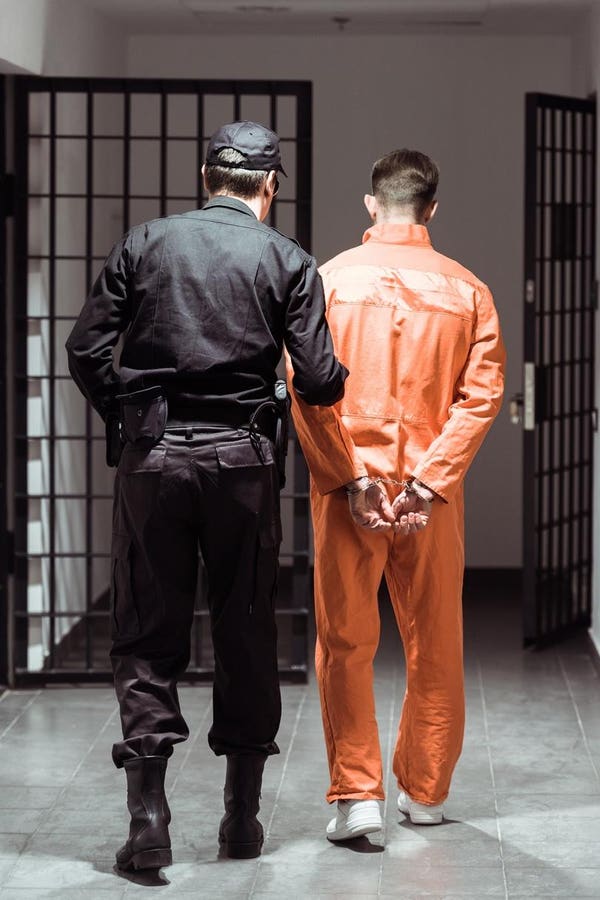
The federal prison system is grappling with a severe correctional officer shortage that threatens the safety and operations of facilities nationwide. Chronic understaffing has led to mandatory overtime, staff burnout, and operational strain across federal prisons, even as the incarcerated population has declined from its 2013 peak. The staffing crisis in American prisons reflects decades of workforce challenges that now demand urgent attention from policymakers and prison administrators.
According to the Prison Policy Initiative, the shortage stems from multiple factors including difficult working conditions, inadequate compensation, and an aging workforce nearing retirement. Meanwhile, the recent hiring of Immigration Customs Enforcement officers has reportedly triggered an exodus of correctional workers seeking better opportunities elsewhere.
Understanding the Prison Population Shift
Federal prison populations rose steadily from the 1980s through 2013, driven by mandatory minimum sentencing laws and tough drug policies. However, sentencing reforms including the First Step Act and expanded home confinement during the pandemic have since reduced the incarcerated population. Despite fewer inmates overall, correctional officer vacancies have actually worsened in many facilities, creating a paradoxical situation where fewer people are incarcerated but even fewer employees are available to manage them.
The mismatch between staffing levels and population trends reveals deeper structural problems. Workforce attrition, retirements, and recruitment difficulties have compounded the crisis. Additionally, the profession’s demanding reputation deters potential applicants who seek careers with better work-life balance and compensation.
Challenging Working Conditions Drive Turnover
Correctional work involves significant stress, safety risks, and trauma exposure in secure environments where tensions can escalate quickly. Officers face rotating shifts, holiday duty, and forced overtime that disrupts family life. In federal facilities, noncustody staff such as teachers and counselors are sometimes reassigned to security posts when shortages become severe, adding pressure to positions originally focused on rehabilitation and programming.
The pandemic intensified these challenges as staff worked extended hours during lockdowns while managing health crises inside facilities. Many experienced officers chose to leave the profession altogether. State systems including Connecticut continue to struggle with similar hiring and retention challenges, indicating this is a nationwide workforce crisis rather than solely a federal issue.
Pay Increases and Legislative Solutions
Congress is considering legislation backed by the correctional officers’ union that proposes a 35 percent base pay increase for federal prison staff. Advocates argue that compensation has not kept pace with inflation, job risks, and competing employment opportunities in law enforcement and the private sector. Higher salaries could improve recruitment, reduce turnover, and signal institutional respect for an often-overlooked workforce.
However, compensation alone may prove insufficient to resolve the correctional officer shortage. Recruitment challenges are tied to workplace culture, job demands, and public perception of corrections as a profession. Congressional leaders recently sent a letter to Bureau of Prisons Director William Marshall III expressing concern that staffing issues compromise safety and security for both inmates and staff, giving him 30 days to respond.
Structural Issues Require Systemic Solutions
The aging correctional workforce faces mass retirements as experienced officers reach eligibility. Younger generations often prefer careers with greater flexibility, lower violence exposure, and stronger alignment with personal values. Additionally, many correctional facilities are located in rural areas with limited labor pools, further restricting recruitment options.
The Bureau of Prisons faces challenges on two fronts: veteran staff choosing retirement and employees with fewer than five years on the job pursuing different career paths. This combination makes workforce stabilization particularly difficult. Furthermore, decades of deferred maintenance have created working conditions with broken HVAC systems, mold, and malfunctioning equipment that affect both staff and inmates.
Rethinking the Correctional Workforce Model
Modern corrections increasingly emphasizes rehabilitation, programming, and reentry preparation alongside traditional security functions. Some experts suggest recruiting individuals with skills in counseling, education, behavioral health, and conflict resolution. According to research on European correctional systems, officers trained in both security and social services can shift institutional culture and potentially reduce violence.
If prisons prioritize reducing recidivism, the workforce must reflect that mission. Hiring individuals who view their role as combining security professional and rehabilitation facilitator may better align facilities with contemporary criminal justice goals. Improving day-to-day working conditions through reduced mandatory overtime, adequate staffing ratios, mental health support, and leadership training remains critical, though difficult to implement during a shortage.
Population Management and Resource Allocation
The Bureau of Prisons currently houses nearly 23,000 minimum security inmates, many of whom could be transferred to community residential reentry centers under the First Step Act and Second Chance Act. However, a recent Government Accountability Office report found that the agency lacks adequate halfway house capacity and paid facilities late approximately 70 percent of the time, incurring millions in late fees. The report also indicated that prison officials do not know how many people are eligible for transfer or should have been transferred already.
As incarceration levels remain below historic peaks, agencies have opportunities to consolidate underutilized facilities and reallocate resources toward programming and reentry services. Policymakers must recognize that understaffed prisons face higher risks of violence, reduced programming access, and slower emergency response times. Stabilizing the correctional officer shortage is not merely an employment issue but a public safety priority.
The federal prison system must determine how to align staffing models with fluctuating populations and evolving correctional missions. While congressional action on pay increases and recruitment strategies may provide relief, deeper cultural changes regarding the purpose of incarceration and the role of correctional staff will likely determine whether the workforce crisis can be resolved in the long term.