




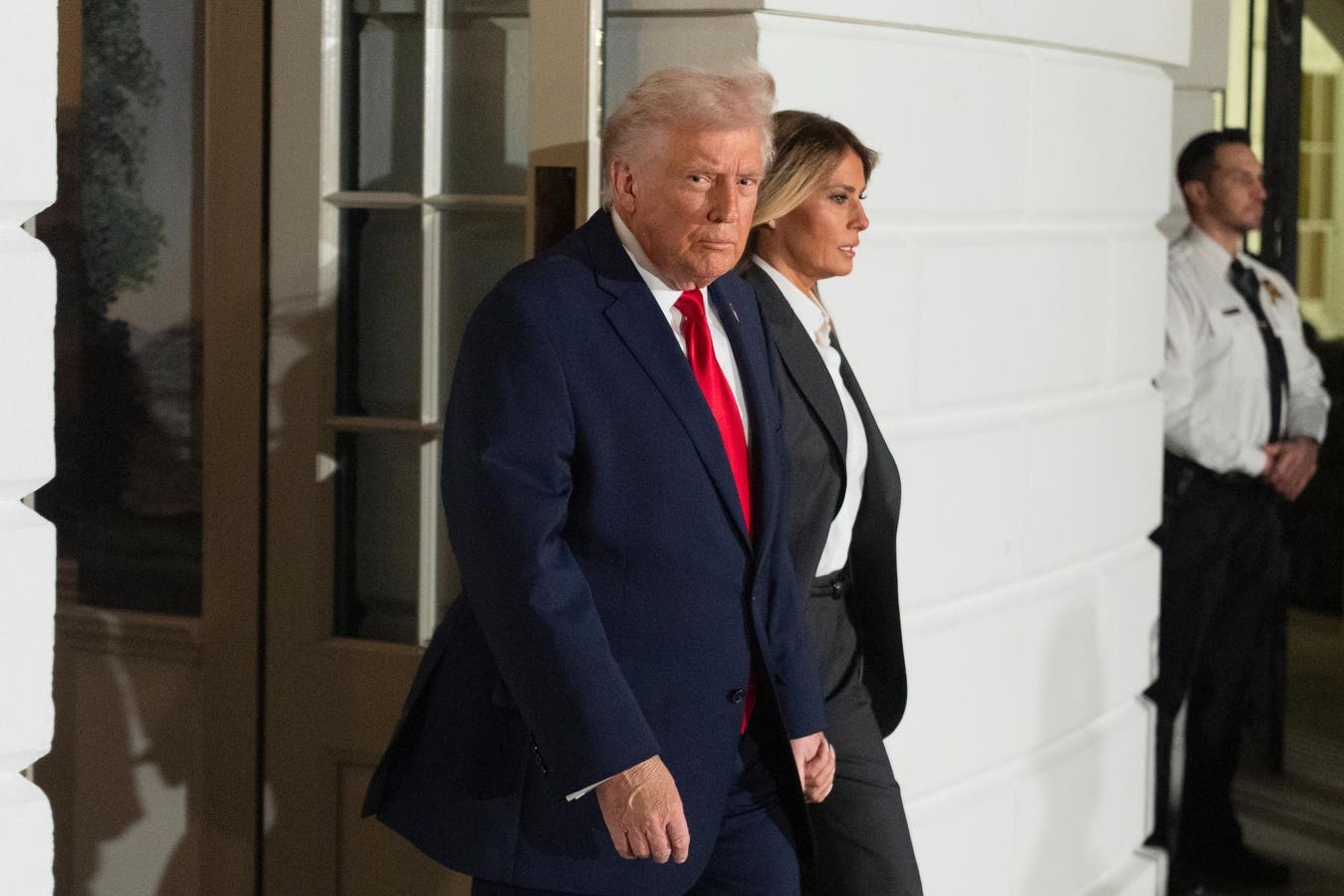
President Donald Trump’s State of the Union address made no mention of the Federal Bureau of Prisons despite ongoing crises within the agency. The president remained silent on staffing shortages, infrastructure problems, and his hallmark First Step Act legislation, according to observers of the February 2026 speech. This omission has raised concerns as critical issues continue to mount at the Bureau of Prisons.
Trump also failed to acknowledge senior positions he granted to pardoned inmates, including Alice Johnson as Pardon Czar and Josh Smith as Deputy Director of the Bureau of Prisons. The silence on federal prison issues comes as the agency faces mounting challenges with limited resources.
Leadership Changes at the Bureau of Prisons
The Bureau of Prisons brought in outside leadership by hiring William Marshall III as director and Josh Smith as Deputy Director. Marshall previously ran a smaller corrections organization in West Virginia, while Smith received a pardon from Trump in 2021 before ascending to the second-highest position at the agency.
Deputy Director Smith announced last July that Trump’s Big Beautiful Bill would provide additional funding for operations and staff retention. However, according to an opinion piece by Trump advisor Peter Navarro, the actual funding fell short of expectations due to congressional cuts. Congress also passed the Prison Oversight Act last year, establishing new inspection authority and an independent ombudsman office, though implementation remains challenging without adequate funding.
Budget Constraints Despite Declining Population
The Bureau of Prisons inmate population has decreased by nearly 70,000 since peaking at roughly 219,000 in 2013. Despite this significant reduction, Trump requested an $8.9 billion budget for the agency. According to Navarro, Congress reduced that figure to $8.3 billion, still higher than the 2013 budget but insufficient to address mounting needs.
Meanwhile, Congress has demanded increased oversight without providing the necessary funding for the Bureau of Prisons to implement recommended changes. Neither Director Marshall nor Deputy Director Smith have testified before Congress in their current roles, despite the agency appearing on the Government Accountability Office’s High Risk List of Government Agencies. Associate Deputy Director Kathleen Toomey testified at a February 2025 hearing but has since left the Bureau of Prisons.
Historical Context of Prison Population Growth
The federal prison population reached its modern peak in fiscal year 2013 following decades of policy decisions that increased both admissions and sentence lengths. Mandatory minimum sentencing laws, particularly for drug offenses, expanded sharply beginning in the 1980s and 1990s under the 1994 Crime Bill signed by President Bill Clinton. The elimination of parole in the federal system meant most people served the vast majority of their sentences.
Additionally, sentencing guideline reductions and retroactive drug guideline changes contributed to population decline after 2013. The First Step Act expanded good time credits and created earned time credits tied to programming, allowing earlier releases. The most dramatic drop occurred in 2020 during the COVID-19 pandemic, when court operations slowed and expanded home confinement authority reduced in-custody numbers.
Infrastructure Crisis Requires More Than Funding
The Bureau of Prisons received billions in additional funding to upgrade facilities plagued by broken equipment, mold, and shattered infrastructure. These conditions have created unsafe environments for both inmates and staff members. However, experts note that fixing problems at the agency will require more than money and must include management changes that resonate throughout the organization.
In contrast to previous leadership, Director Marshall has emphasized staff accountability and a commitment to returning better individuals to society after prison terms. Nevertheless, the agency will take years to catch up on basic upgrades like fixing kitchen equipment, repairing sewers and pipes, and replacing HVAC equipment to maintain safe facility temperatures.
Union Elimination and Management Changes
Under Marshall’s leadership, the Bureau of Prisons moved to eliminate its union organized under the American Federation of Government Employees. Since canceling its collective bargaining agreement, a move the union is currently challenging, the agency has claimed this allows faster implementation of changes. However, few substantive changes have materialized since new leadership took charge.
Former Director Colette Peters announced closures of seven prisons in December 2025 but held back on closing FPC Duluth and FPC Morgantown. FPC Pensacola and FCI Terminal Island have recently been slated for closure, with additional closings anticipated to adjust for reduced inmate populations and aging facilities.
Administration Promises Face Implementation Challenges
Attorney General Pam Bondi stated during her confirmation hearing that fixing the Bureau of Prisons and addressing First Step Act shortcomings would be priorities. The agency has improved its calculator to properly give credits to inmates under the First Step Act. However, a shortage of halfway house space has led to many minimum security inmates staying in prison institutions longer than necessary.
Controversial issues await congressional scrutiny, including the proposed rebuild of Alcatraz and the transfer of Ghislaine Maxwell to a minimum security camp, which has caused uproar among Democrats. Many are calling for hearings to address these and other urgent Bureau of Prisons issues, though none are currently scheduled. Meaningful changes are expected once congressional hearings are placed on the calendar.