




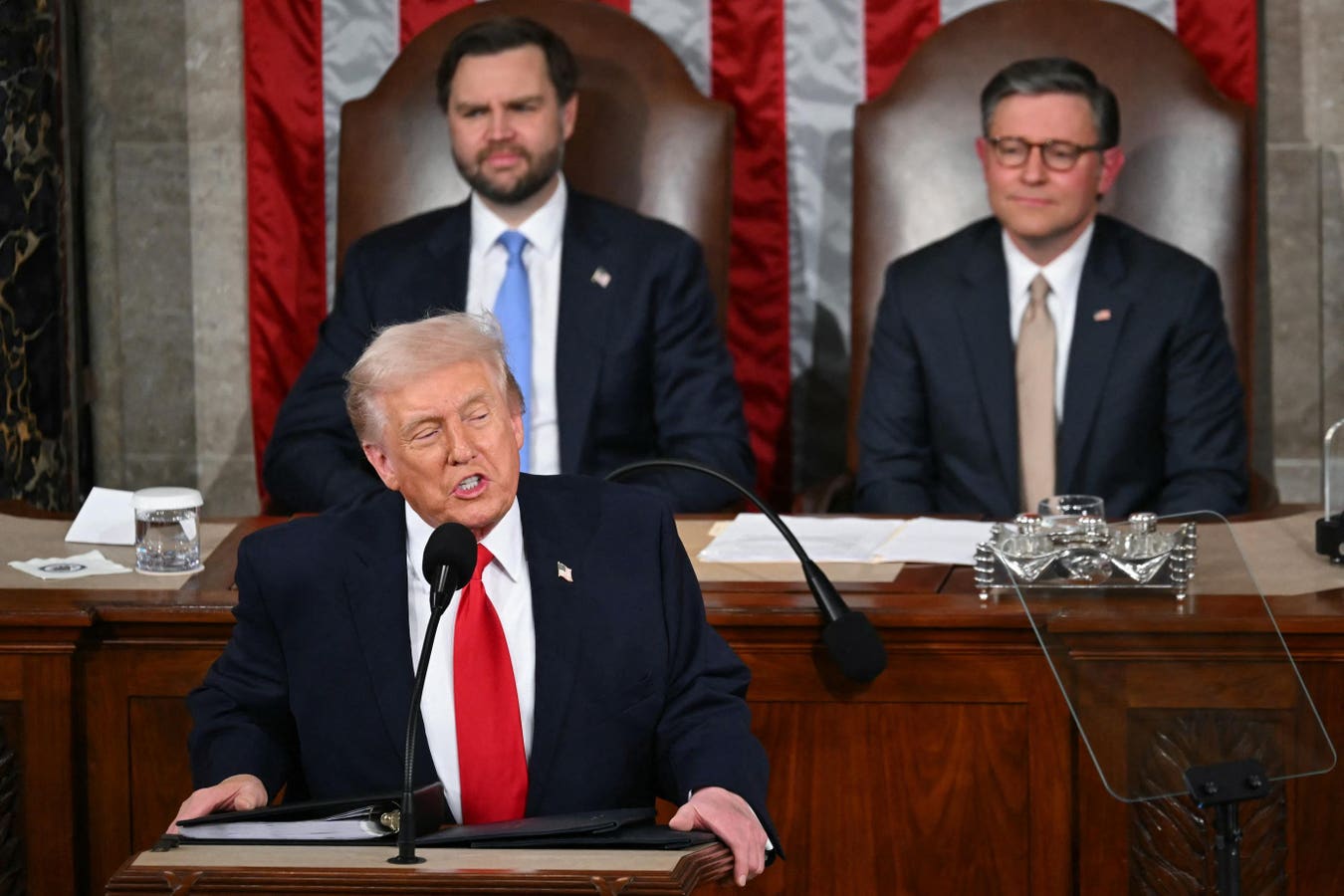
President Trump announced a proposal during his State of the Union address to expand federal retirement savings contributions for American workers without employer-sponsored plans. The retirement savings match would provide up to $1,000 annually to eligible participants, building on existing federal retirement incentives. According to the president, the initiative would give workers “access to the same type of retirement plan offered to every federal worker.”
However, the White House has not released specific details about implementation, eligibility requirements, or how the program would be funded. The proposal would need congressional approval to move forward, and its timeline remains uncertain.
Building on Existing Retirement Savings Legislation
The retirement savings match concept is not entirely new, according to policy experts. The SECURE Act 2.0, passed in 2022, already created a maximum $2,000 federal payment to low- and moderate-income savers starting in 2027. Single individuals earning up to $35,500 and couples making as much as $71,000 qualify for this existing match.
Additionally, Trump’s proposal appears less generous than current law for lower-income workers but would extend benefits to higher earners. A bipartisan bill to expand SECURE 2.0 more substantially than Trump’s idea is already pending in Congress. The proposal also represents a shift from an earlier promise to send $2,000 “rebate” or “dividend” checks funded by tariff revenue, which Trump did not mention in his address.
How Federal Worker Retirement Plans Work
Trump said he wants to pattern his payments on the federal Thrift Savings Plan. Under that system, the government automatically contributes 1% of salary to federal workers’ retirement accounts annually. If employees contribute at least 5% of their pay, the government matches the first 3% dollar-for-dollar and the next 2% at 50 cents on the dollar.
For example, a federal worker earning $50,000 annually receives an automatic 1% contribution of $500. Those who save 5% of wages would receive an additional employer match totaling $2,500. However, Trump’s proposed retirement savings match would cap the maximum federal contribution at $1,000, making it considerably less generous than the plan for government employees.
Meanwhile, the payments would presumably be available only to workers without workplace retirement plans. Currently, about half of American workers lack access to employer-sponsored retirement savings options, according to recent data. Many are low-income earners, part-time employees, or gig workers.
Addressing the Retirement Coverage Gap
Only about 20 percent of firms with 10 employees or fewer offer retirement plans, according to a 2024 report by David John at AARP. This coverage gap has made increasing private savings a priority for the Administration. In last summer’s budget bill, Congress created a $1,000 contribution to savings accounts for children born from 2025 through 2028, known as Trump Accounts.
In contrast, several states have pursued their own retirement savings initiatives. About 20 states have created or are developing “work and save” or auto-IRA programs. These allow employees at firms without retirement plans to save through state-operated programs, with approximately 1 million people currently participating.
However, unlike the proposed federal retirement savings match, state programs make no contribution to participant accounts. Workers are automatically enrolled unless they opt out, and funds typically go into Roth-style plans. Participants generally put post-tax dollars into these accounts, which grow tax-free.
Legislative Hurdles and Unanswered Questions
Trump cannot create his proposed federal match unilaterally, as it would require legislation. Treasury Secretary Scott Bessent indicated Congress could approve the measure through reconciliation rules, which require only majority support in the Senate. Nevertheless, many GOP congressional leaders appear skeptical about finding enough support for such a process this year.
The proposal leaves critical questions unanswered about implementation. How would someone qualify for the retirement savings match? Would self-employed individuals be eligible? How would income from the accounts be taxed, and could funds be withdrawn for purposes other than retirement? Would workers be automatically enrolled, and what is the projected cost?
Auto-enrollment represents a particularly key issue, according to retirement policy experts. Many believe this feature does more to encourage savings than modest government matches. The existing state programs have demonstrated success with automatic enrollment provisions.
Congressional action on the retirement savings match proposal remains uncertain, with no announced timeline for consideration or debate. Whether the plan will receive the necessary legislative support depends on details that have not yet been provided by the Administration.