




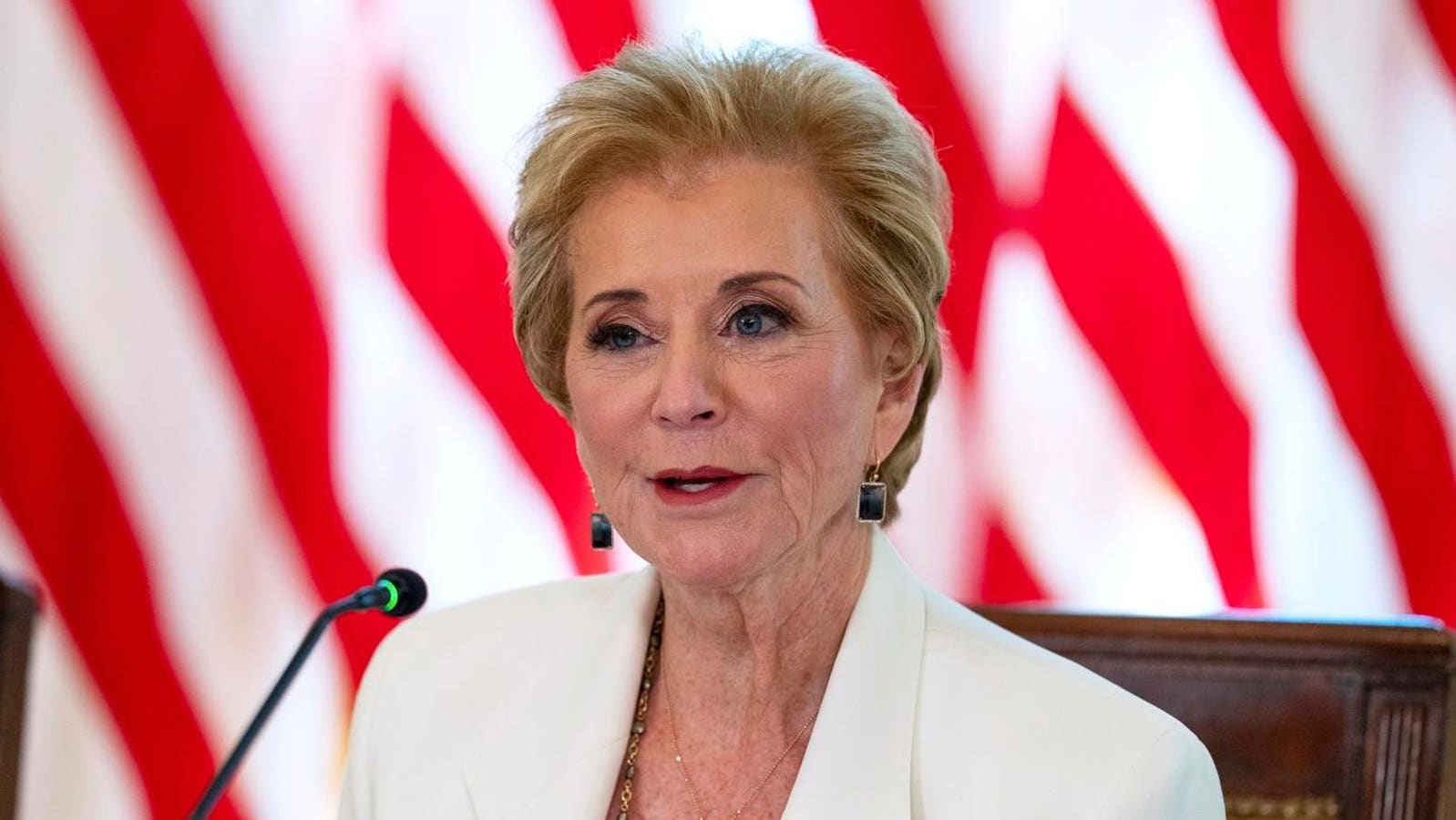
The Education Department has reached a settlement agreement that could force approximately seven million borrowers with student loans enrolled in the SAVE plan to switch to different repayment options. The proposed settlement, announced last month by Secretary of Education Linda McMahon and pending court approval, would formally eliminate the Biden-era income-driven repayment program that has been blocked since 2024. This development raises concerns about potential backlogs and processing delays that could impact millions of student loan borrowers.
Under the settlement agreement with Missouri and other states that challenged the SAVE plan, the department would end the program and require all enrolled borrowers to select alternative repayment plans. According to updated Education Department guidance from December, the agency would stop enrolling new borrowers in SAVE, deny pending applications, and move current participants into available repayment options.
Student Loan Borrowers Face Uncertain Transition from SAVE Plan
The SAVE plan has been suspended since summer 2024 after a federal appeals court issued a nationwide injunction, placing millions of borrowers into involuntary administrative forbearance. The program previously offered lower monthly payments, interest relief, and accelerated pathways to student loan forgiveness compared to other income-driven repayment options.
However, the National Consumer Law Center noted in a December blog post that the settlement does not specify a timeline for moving borrowers out of SAVE. The department has indicated only that borrowers will have “a limited time” to select new repayment plans, though officials have not clarified what happens if borrowers do not make an active selection.
Student loan borrower advocates have expressed concern that the department may automatically place borrowers who do not choose a new plan into the Standard repayment plan. Unlike income-driven repayment options such as IBR, ICR, or PAYE, the Standard plan does not base payments on income or ability to pay. Additionally, a new income-driven repayment plan called the Repayment Assistance Plan is expected to launch later in 2026.
Massive Backlog Could Delay Student Loan Processing for Years
The anticipated surge of applications from seven million SAVE plan borrowers switching to other income-driven repayment plans could create unprecedented processing delays. According to data released by the Education Department last week, the current IDR application backlog stands at approximately 734,000 pending requests.
While this represents progress from the nearly two million applications pending earlier last year, the numbers could become dramatically worse. The department temporarily shut down all IDR processing in response to court orders related to the SAVE plan litigation, contributing to previous backlogs.
The department processed approximately 277,000 IDR applications during the previous month, according to recent data. At this current processing rate, clearing an additional seven million student loan applications could take 25 months or longer than two years. This calculation assumes no additional applications are submitted during that period and that the existing backlog is cleared first, both unlikely scenarios.
The situation becomes more problematic if the Education Department threatens to automatically move SAVE plan borrowers to the Standard plan. This would effectively compel many borrowers to affirmatively apply for IBR, PAYE, ICR, or the forthcoming RAP plan to maintain affordable payments based on their income.
Options for Current SAVE Plan Participants
Borrowers currently enrolled in the SAVE plan forbearance may benefit from applying to switch to different income-driven repayment plans before the department begins implementing the settlement. According to the National Consumer Law Center, borrowers who want to continue making progress toward student loan forgiveness under IDR plans or Public Service Loan Forgiveness should consider switching to another plan like IBR.
The Education Department indicates that borrowers may experience faster processing if they apply online and use an IRS data retrieval tool that automatically imports income information from tax returns. This automated system may allow quicker processing compared to manually submitting paystubs or employer letters, even with the current backlog.
However, monthly payments under other income-driven repayment options will almost universally be higher than under the SAVE plan. Borrowers who cannot afford payments in other plans or need to focus on different financial priorities may choose to remain in SAVE forbearance temporarily, though the National Consumer Law Center warns this option may not last much longer.
The settlement agreement remains pending court approval, and the department has not announced a specific timeline for implementing the transition or confirmed which repayment plan will serve as the default option for borrowers who do not make an active selection.