




The U.S. Department of Education has temporarily suspended involuntary collection efforts on defaulted federal student loans, providing relief to borrowers facing wage garnishment and tax refund seizures. According to an announcement made on January 16, 2026, the pause on collections will remain in effect while the department implements significant reforms to federal student loan programs mandated by recent legislation. This decision affects borrowers who had defaulted on their federal student loans and were facing aggressive collection actions after years of pandemic-era relief.
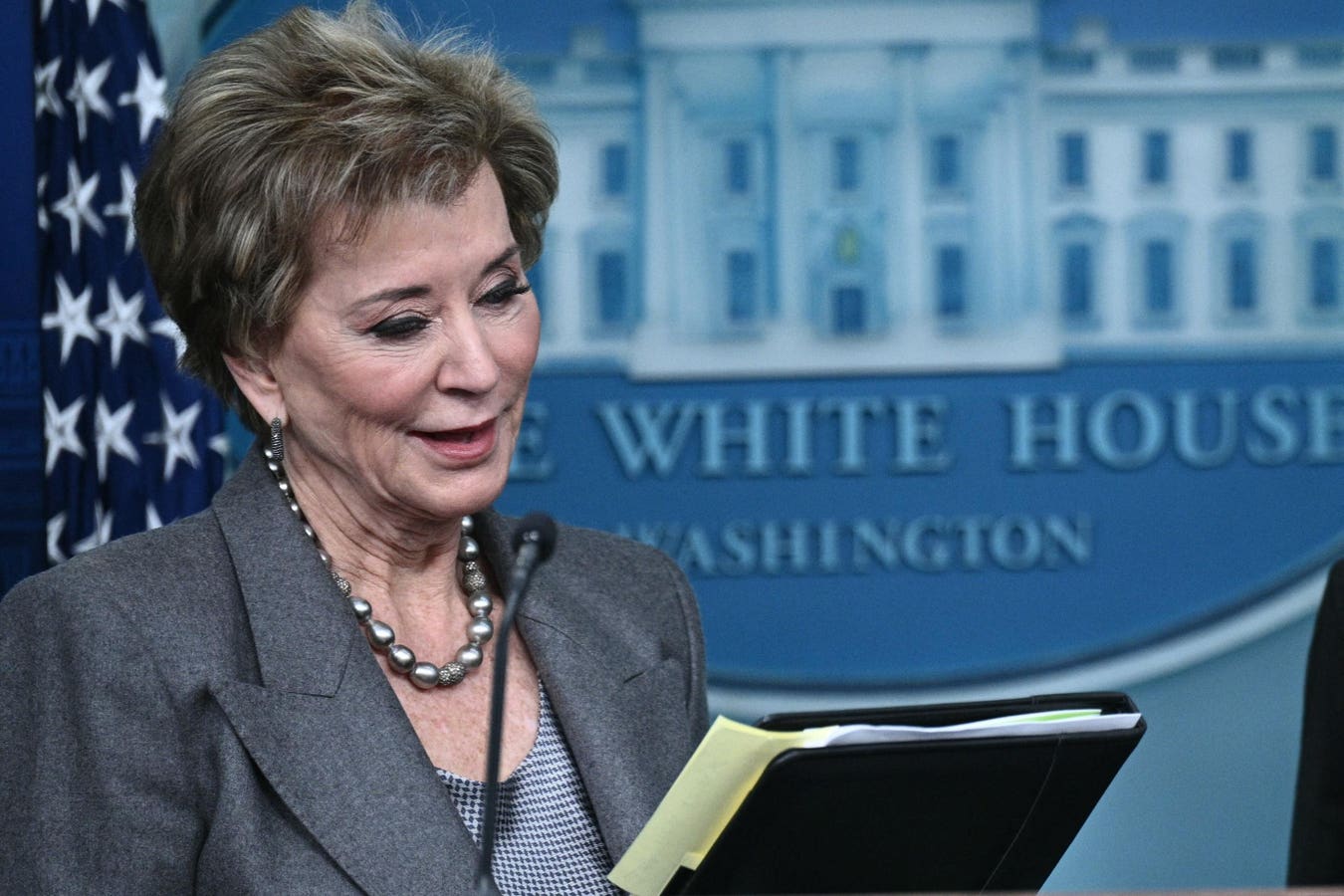
Under Secretary of Education Nicholas Kent stated that the Trump Administration determined involuntary collection efforts would function more efficiently after implementing improvements to the student loan system. The announcement specifically halts administrative wage garnishment and participation in the Treasury Offset Program, which had resumed referring borrowers for tax refund interception earlier this year. This would have been the first full tax season in years when defaulted borrowers faced such collections.
Understanding the Scope of the Collections Pause
The suspension applies specifically to defaulted federal student loans held directly by the Department of Education. However, not all student debt is covered by this relief measure. Federal student loans in good standing or those that are delinquent but not yet in default must continue to be repaid according to existing repayment obligations.
Additionally, private student loans remain entirely outside the scope of this directive, regardless of their default status. The Education Department cannot suspend collections on private education debt issued by banks and other lenders. It remains unclear whether defaulted FFEL-program loans held by guaranty agencies are covered by the pause, as the department’s announcement did not specifically address these older loans.
Temporary Relief Amid Systemic Changes to Federal Student Loans
According to the department, the collections pause is directly tied to implementing major repayment reforms under the Working Families Tax Cuts Act passed by Congress last summer. These reforms include simplifying repayment options and creating a new income-driven repayment plan called the Repayment Assistance Plan. The department indicated that the temporary delay will enable better support for borrowers during this transition period.
However, advocacy organizations have suggested that administrative challenges and mounting backlogs may also factor into the decision. The National Consumer Law Center praised the announcement but emphasized that this represents only a temporary delay, not a permanent end to collections on defaulted student loans. The organization noted that the department did not specify when involuntary collections would resume or how long the suspension will last.
Administrative Capacity Concerns
Meanwhile, some experts have questioned whether the Education Department has sufficient resources to smoothly implement the new repayment programs while managing existing backlogs. The Institute for College Access and Success warned last month that the department has not completed the rulemaking process for the Repayment Assistance Plan nor built the systems necessary for borrower enrollment. Processing delays for income-driven repayment and Public Service Loan Forgiveness applications have surged, with backlogs exceeding 800,000 cases according to recent reports.
Braxton Brewington, spokesperson for the Debt Collective, suggested that the department reassessed its administrative capacities before halting collections. In a statement, he argued that the department should focus resources on holding student loan servicers accountable for account errors rather than pursuing collections against low-income borrowers. Natalia Abrams, President of the Student Debt Crisis Center, called the pause a welcome first step but urged the department to stop all collection practices permanently and offer comprehensive student loan debt relief.
Options Available for Borrowers in Default on Federal Student Loans
The temporary suspension provides an opportunity for borrowers to address their defaulted federal student loans before involuntary collections resume. According to consumer advocates, borrowers should use this time to explore options for resolving their default status. Loan rehabilitation and Direct loan consolidation are two primary methods for restoring defaulted student loans to good standing, which can make borrowers eligible for income-driven repayment plans and eventual loan forgiveness programs.
In contrast to doing nothing, taking proactive steps during the collections pause could prevent future wage garnishment and tax refund seizures. Borrowers may also qualify for administrative discharge programs such as Total and Permanent Disability discharge or Borrower Defense to Repayment, depending on individual circumstances. The National Consumer Law Center recommended that borrowers in default take action now, while those who are delinquent but not yet in default should take preventive measures.
The Education Department has not announced a specific timeline for when involuntary collections will resume or how long the current pause will remain in effect. Borrowers should monitor official communications from the department and their loan servicers for updates regarding the implementation of new repayment programs and the eventual resumption of collection activities on defaulted federal student loans.