





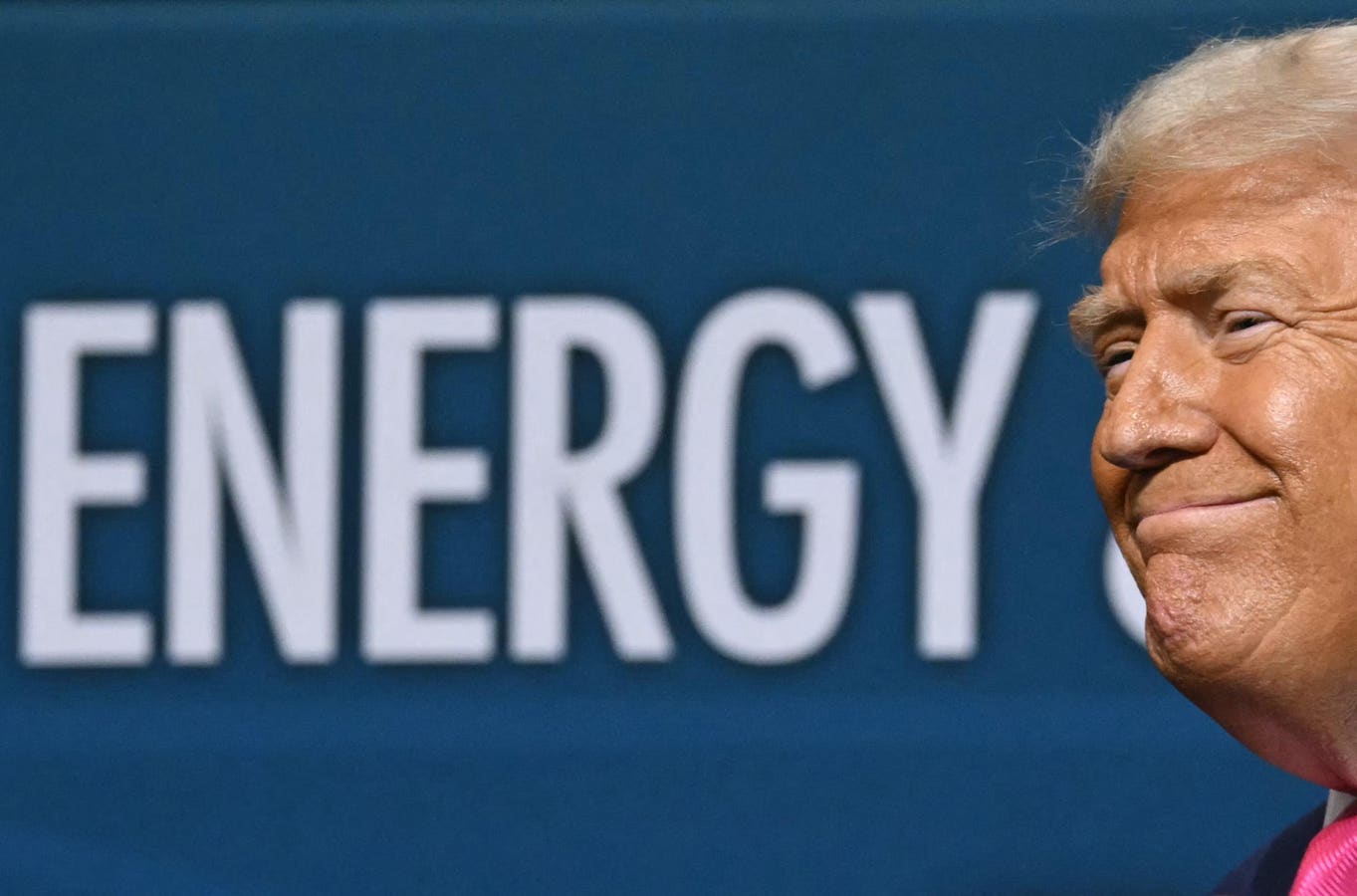
The Trump administration has canceled $30 billion in green energy loans from the Biden era and is currently revising another $53 billion in clean energy funding, according to a report by The Hill. These cancellations represent a significant shift in federal energy policy and could have far-reaching implications for the renewable energy sector and taxpayers.
Among the canceled projects is a $4.9 billion loan guarantee for a transmission line designed to connect wind and solar power to the electrical grid. The administration’s actions extend beyond individual projects to encompass broader environmental programs, including the dismantling of the Energy Star program.
Impact on Green Energy Loans and Business Operations
The elimination of green energy loans and related programs is creating unexpected challenges for various industries. The Energy Star program, which many viewed as simply an appliance labeling system, actually provided crucial data resources used across multiple sectors. Companies relied on this information to make informed decisions about equipment purchases and operational costs.
Additionally, the program provided detailed information on commercial equipment including HVAC systems, refrigerators, freezers, ovens, boilers, data processing equipment, windows, and doors. Without access to this data, businesses lose valuable insights into potential cost savings and energy efficiency improvements.
Real Estate Industry Faces Data Vacuum
The real estate sector is experiencing particularly acute effects from these policy changes. Developers and investors traditionally factor long-term building maintenance costs into their planning, with energy efficiency and carbon footprint considerations playing important roles in investment decisions. However, the loss of readily available efficiency data complicates financial projections and regulatory compliance planning.
Meanwhile, industry professionals emphasize that environmental considerations are not merely ideological preferences but practical business concerns. Real estate stakeholders need reliable data to evaluate both immediate costs and future regulatory requirements when developing or acquiring properties.
Renewable Energy Critical for Future Power Generation
Despite policy shifts, renewable energy sources remain essential to meeting the nation’s electrical generation needs, according to the U.S. Energy Information Administration. Over the next two years, electricity generation from natural gas, coal, and nuclear power is expected to decline while growth comes primarily from solar and wind sources.
The EIA’s short-term energy outlook report indicates that natural gas generation will decrease from 40% to 39% of total electrical production. Coal-fired generation will drop from 17% to 15%, while solar power is projected to climb from 7% to 10% of the generation mix. Wind power is expected to increase from 11% to 12%.
Cost Considerations Favor Renewable Energy
Economic factors increasingly favor renewable energy development over traditional fossil fuel generation. According to Our World in Data, electricity from new renewable sources has become cheaper than power from fossil fuels in most global locations. This shift occurred within the last decade, reversing the previous cost advantage held by conventional generation.
In contrast, renewable energy technologies follow learning curves where costs decline with each doubling of cumulative installed capacity. Fossil fuel-generated electricity does not demonstrate similar cost reduction patterns over time. This fundamental difference suggests renewable energy will continue becoming more economically competitive.
The administration has not announced specific timelines for completing its review of the remaining $53 billion in clean energy loans under consideration. The final scope of funding cancellations and their ultimate impact on the renewable energy sector remains uncertain as the review process continues.