





Mail theft and check fraud have emerged as significant financial crimes in the United States, with check fraud losses reaching approximately $21 billion in 2023, according to financial crime analysts at the Treasury Department’s FINCEN. The problem is substantially underreported, with an estimated 90% of mail theft incidents going unreported to authorities. This surge in criminal activity has been attributed to organized groups who view mail theft and check fraud as low-risk, high-reward opportunities.
Between Fiscal Year 2019 and FY 2023, the Postal Inspection Service documented a 139% increase in reports of mail theft from mail receptacles. Criminals target residential mailboxes, USPS collection boxes, postal facilities, and even postal employees through robbery, burglary, bribery, and collusion. The dramatic rise began in the early 2020s and has continued to escalate despite law enforcement efforts.
Recent Check Fraud Arrests Highlight Growing Problem
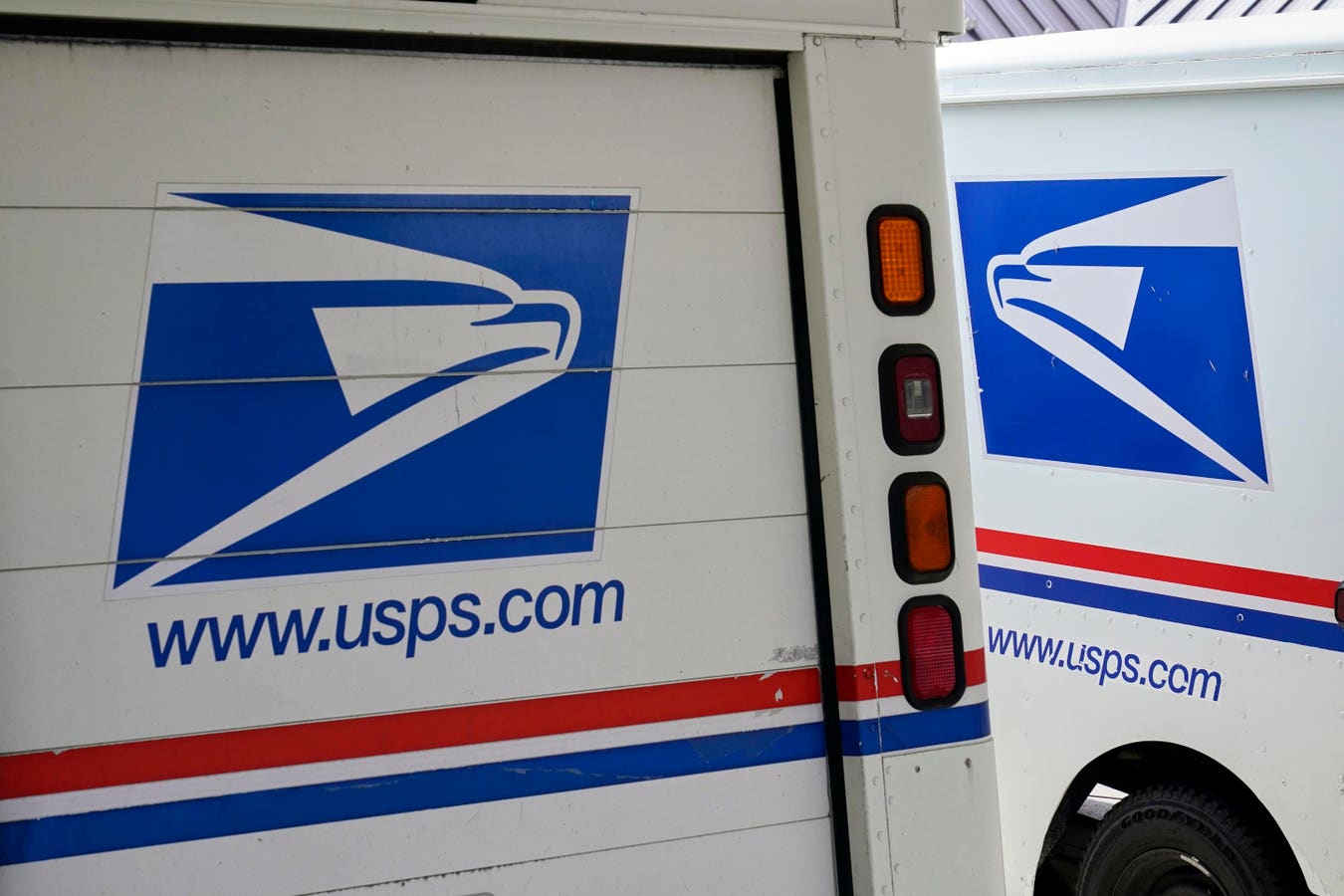
In a recent case illustrating the scope of the problem, Jeffrey Bennet, Awquil Hubbard, and Tashon Ragan were charged in New Jersey with conspiracy to commit bank fraud. According to court documents, the trio operated from December 2024 to December 2025, stealing checks from postal vehicles by smashing windows or opening unlocked doors. They allegedly altered stolen checks before depositing them into various bank accounts across New Jersey.
The FBI reports that Suspicious Activity Reports related to check fraud nearly doubled between 2021 and 2023. This surge reflects both increased criminal activity and growing awareness among financial institutions. However, existing banking regulations requiring funds availability within specified timeframes often prevent banks from detecting fraudulent checks before criminals withdraw the money.
How Mail Theft Leads to Check Fraud
The process typically begins when criminals steal envelopes containing checks during mail transit. Through a technique called check washing, thieves use simple household bleach to remove the payee’s name and often alter the check amount. Additionally, more sophisticated criminals scan stolen checks into computers and use readily available software to create perfect counterfeits while preserving the original signature.
Individuals often inadvertently facilitate theft by leaving outgoing mail with checks in personal mailboxes with the flag raised. While this alerts postal carriers to pickup, it equally signals identity thieves to potential opportunities. According to Nasdaq Verafin, a financial crime management software company, check fraud losses exceeded $20 billion in the United States during 2023.
Prevention Strategies for Consumers and Banks
Experts recommend paying bills electronically whenever possible to avoid mail theft risks entirely. However, individuals who prefer or must use paper checks should write them with gel pens that resist chemical washing. Nevertheless, this defense proves insufficient against criminals using scanning and counterfeiting techniques.
Meanwhile, financial institutions are implementing advanced detection methods to combat the rising tide of check fraud. Colin Parsons, Head of Fraud Product Strategy at Nasdaq Verafin, describes innovative approaches using machine learning models trained on billions of data points. These systems can detect suspicious activity at the point of deposit and during the in-clearing phase, scrutinizing checks at levels far beyond human capabilities.
Many current bank losses stem from fragmented and outdated detection methods that cannot keep pace with evolving criminal tactics. In contrast, modern technology solutions adapt as fraud techniques change, analyzing counterparty insights, behavioral patterns, and image analysis for superior detection and prevention. Companies like Nasdaq Verafin provide sophisticated services designed specifically to identify and defend against check fraud schemes.
The U.S. Postal Service has announced plans to replace tens of thousands of outdated keys used by postal carriers and install high-security collection boxes to address the surge in robberies and mail theft. The timeline for completing these security upgrades and their potential impact on reducing mail theft rates remains to be determined as implementation continues.