




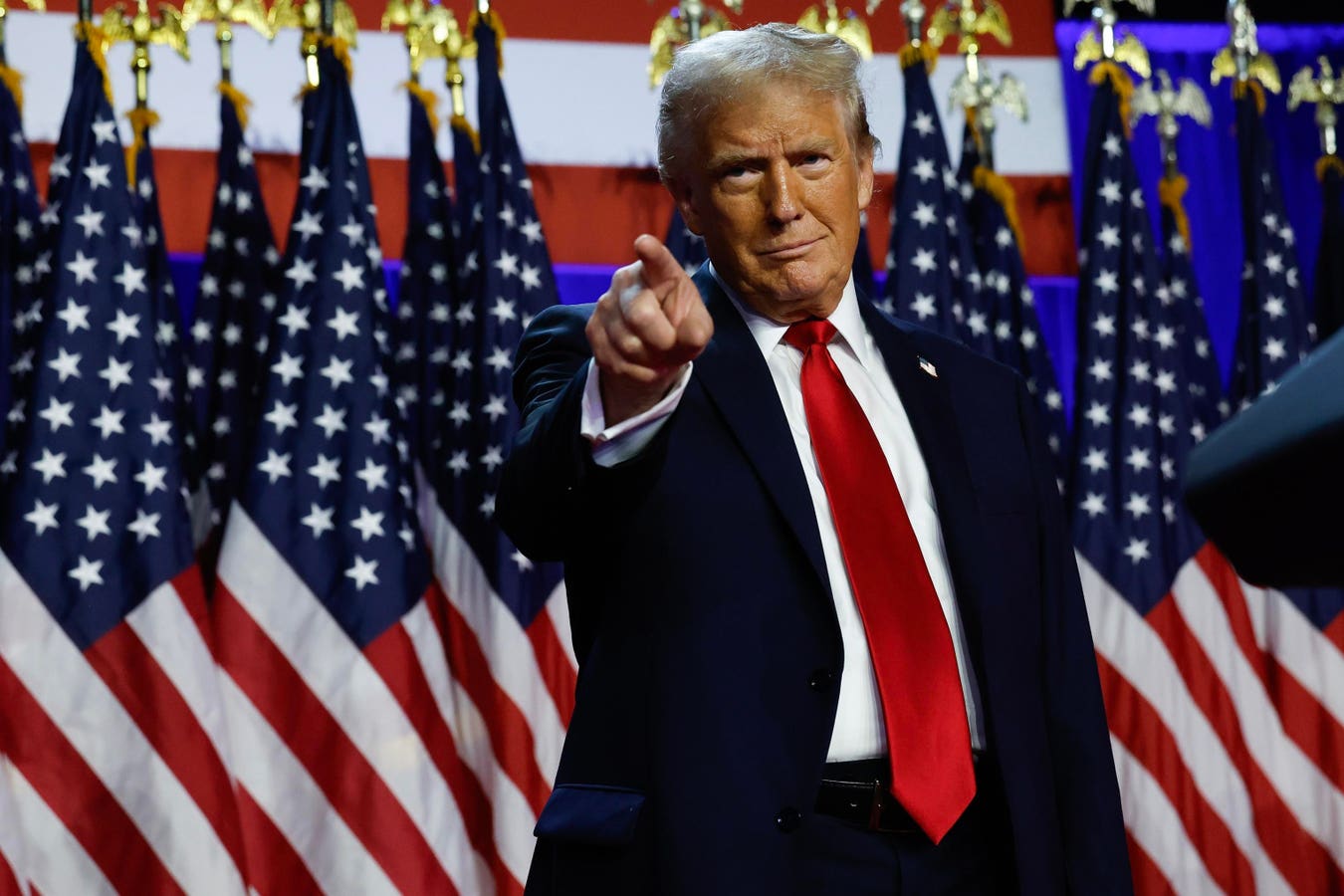
President Donald Trump filed a $5 billion lawsuit against JPMorgan Chase and CEO Jamie Dimon, alleging the bank terminated his accounts for political reasons following his felony conviction. The complaint, filed Thursday, claims the bank engaged in unlawful debanking practices that have affected thousands of Americans with criminal records who face similar financial exclusion from major banking institutions.
According to court documents, JPMorgan informed Trump and his businesses in early 2021 that it would close several accounts after decades of banking together. The termination came shortly after the January 6 Capitol incident, though the lawsuit contends the closure was politically motivated rather than based on legitimate business concerns.
Understanding Debanking After Felony Convictions
The lawsuit highlights a widespread problem affecting individuals with criminal records who lose banking access regardless of their financial standing. Each year, thousands of people indicted, charged, or convicted of felonies receive nondescript termination letters from their banks, making financial recovery extremely difficult. The practice has drawn criticism from advocates who argue it creates insurmountable barriers for those seeking second chances.
According to the National Association of Criminal Defense Attorneys, which conducted a study on this issue, individuals with criminal records often cannot maintain accounts even at banks that have faced criminal convictions themselves. Additionally, the study found that four major banks, including JPMorgan, Citicorp, Barclays, and RBS, pleaded guilty to conspiracy charges for manipulating currency exchanges and paid $2.5 billion in criminal fines.
The February 2021 Termination Notice
Trump and affiliated entities received a letter on February 19, 2021, informing them that multiple accounts would close by April 19, 2021. The complaint characterizes this sixty-day window as insufficient for restructuring complex banking arrangements and maintaining business operations. Furthermore, the lawsuit alleges JPMorgan provided no meaningful explanation for the decision despite the long-standing relationship.
The plaintiffs emphasize they were customers in good standing for decades, handling significant deposits and transactions. They argue the termination was sudden and unprecedented, not the result of any pattern of account problems or financial irregularities.
Allegations Against Jamie Dimon
The complaint claims Trump personally contacted Dimon after receiving the termination notice. According to the lawsuit, Dimon promised to investigate the matter but never provided a follow-up or resolution. The plaintiffs argue this detail demonstrates the decision was elevated to the highest organizational level rather than being a routine operational move.
However, banking industry observers note that account closures for individuals with felony convictions have become increasingly routine. Meanwhile, most affected customers have limited recourse and receive little explanation about how banks reach these decisions.
The Blacklist Claim
One of the lawsuit’s central allegations involves what plaintiffs describe as a blacklist preventing them from opening wealth management accounts. The complaint contends JPMorgan shared this blacklist with other federally regulated banks, creating barriers that extended beyond a single banking relationship. According to the filing, this shared access effectively warned other financial institutions against providing services to the plaintiffs.
The lawsuit claims the plaintiffs only recently discovered the blacklist’s existence, though they argue it has affected them for years. They contend the blacklist caused reputational damage that discouraged other institutions from engaging with them or forced them into unfavorable terms.
Broader Implications for Debanking Practices
The complaint argues that debanking has become particularly common during political and cultural controversies. The lawsuit references an executive order from August 7, 2025, addressing policies around Americans being denied financial services based on protected beliefs or political affiliations. In contrast, banks maintain broad contractual discretion to close accounts for any reason or no reason.
JPMorgan has stated in public documents its commitment to supporting people with arrest or conviction histories through hiring and community reentry programs. Nevertheless, the bank’s policies apparently do not extend banking services to individuals with criminal records, even those it employs.
Legal Arguments and Damages Sought
The lawsuit asserts multiple causes of action, including trade libel, arguing the alleged blacklist conveyed harmful messages to other banks about the plaintiffs’ fitness as customers. The complaint acknowledges that bank agreements typically include language permitting account closures at any time. However, the plaintiffs argue this discretion cannot shield unlawful discrimination or wrongful conduct.
Trump seeks at least $5 billion in damages from JPMorgan and additional damages from Dimon personally. The complaint argues the account closures and blacklist caused substantial financial harm, disrupted business operations, and triggered long-term reputational damage.
Why the Case Matters Beyond Trump
This lawsuit extends beyond a dispute between a former president and a major bank, touching fundamental questions about financial access and second chances. For ordinary citizens with felony convictions, banking exclusion creates catastrophic obstacles to rebuilding their lives, preventing them from receiving paychecks, paying bills, or conducting basic transactions. Additionally, many affected individuals resort to keeping assets in family members’ names or seeking small community bank accounts that might remain open.
Critics of debanking practices view the case as highlighting viewpoint-based exclusion from essential services. Meanwhile, banks and regulators face questions about balancing institutional discretion, reputational risk management, and potential discriminatory conduct.
The case will likely hinge on whether plaintiffs can prove the alleged blacklist existed, demonstrate it influenced other banks’ decisions, and substantiate political motivation as the termination reason. Regardless of the outcome, the litigation could provide unprecedented transparency into why individuals with felonies face exclusion from major banking institutions and potentially establish legal precedents affecting thousands of Americans facing similar circumstances.