




The U.S. Department of Education has filed a last-minute request to extend a critical student loan forgiveness deadline under a major settlement agreement, affecting approximately 170,000 borrowers. The motion, submitted on January 22, 2026, asks the court to delay the January 28, 2026 deadline by 18 months, marking the second time the Trump administration has sought relief from processing Borrower Defense to Repayment applications for student loan forgiveness. This development comes just weeks after a federal judge largely rejected a similar request from the department in December 2025.
The dispute centers on the Sweet v. McMahon settlement agreement, which was originally approved in 2022 to resolve a class action lawsuit over the Borrower Defense to Repayment program. This program provides student loan forgiveness to borrowers who were harmed by school misconduct, including fraud and misrepresentations about degree programs. According to the settlement terms, the Education Department was required to complete its review of applications from post-class applicants by January 28, 2026.
Background of the Student Loan Forgiveness Settlement
The Sweet settlement resolved allegations that the Education Department had unlawfully delayed processing thousands of Borrower Defense applications, leaving borrowers in financial limbo for years. Under the 2022 agreement, class members who submitted applications by June 2022 and attended specific institutions were entitled to automatic discharge. However, post-class applicants, defined as those who submitted applications between June 2022 and November 2022, would only receive automatic student loan forgiveness if the department failed to process their requests by the January 2026 deadline.
The Education Department argued in its filing that the post-class applicant pool exceeded expectations by more than 200,000 applications compared to any comparable five-month period. Additionally, the department cited resource constraints and claimed it averages only 1,500 adjudications per month, making it impossible to meet the court-ordered deadline without granting what it called a “windfall” of billions in taxpayer resources.
Court Previously Rejected Delay Request
In December 2025, the Trump administration initially requested an 18-month extension to process Borrower Defense applications. Federal Judge William Alsup largely sided with borrowers, emphasizing the years of financial hardship they had endured. During a hearing on the request, Judge Alsup stated that student loans had been “hanging over their head for how many years, how many decades, wrecking their credit,” and that further delay was unjust.
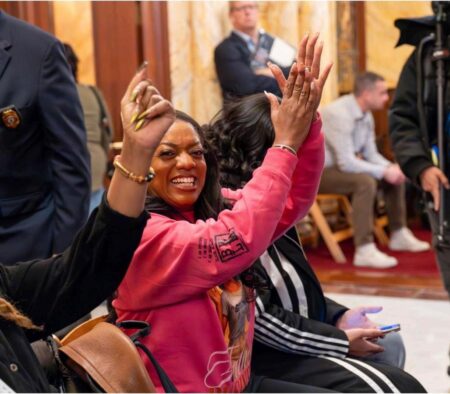
The Project on Predatory Student Lending, representing borrowers in the case, opposed the department’s December request and celebrated the court’s decision. Eileen Connor, President and Executive Director of PPSL, said borrowers “deserve fair, timely decisions, not years of uncertainty.” The organization characterized the ruling as a critical victory for people who have waited far too long for relief.
Education Department’s Latest Arguments
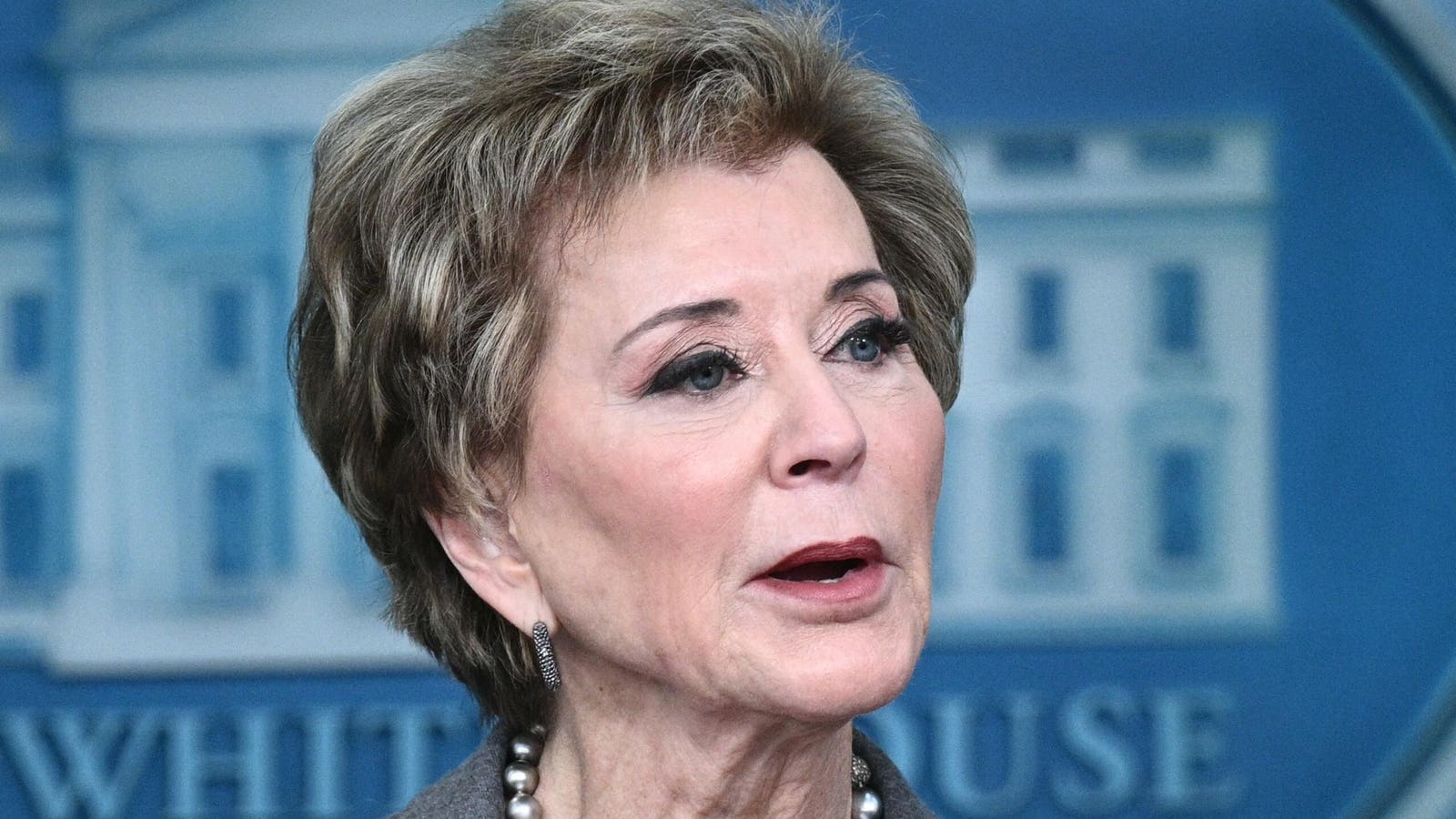
Despite the court’s December ruling, the Education Department filed a motion for reconsideration on January 22, 2026. The department argued that the court made “several manifest errors of law and fact” by treating post-class members as class members and assuming the department could process remaining applications by the deadline. Secretary of Education Linda McMahon’s filing requested an extension until July 28, 2027, citing the unprecedented size of the applicant pool.
The department maintained that it had no way of anticipating the volume of student loan forgiveness applications when it entered the settlement agreement in 2022. Officials argued that based on historical processing rates, completing the remaining 170,000 applications would require significantly more time than originally allocated. Meanwhile, it remains unclear whether the Trump administration’s substantial workforce reductions at the Education Department, which cut staff by approximately 50% in 2025, contributed to the processing challenges.
Borrowers Challenge Procedural Deficiencies
Attorneys for borrowers quickly responded to the department’s reconsideration request, focusing on alleged procedural violations rather than revisiting previously decided legal arguments. In a filing submitted on January 23, 2026, PPSL argued that the department’s motion improperly characterized the request as “administrative” relief, potentially violating local court rules. The organization noted that excusing the department from its court-approved contractual obligation would constitute a substantive alteration of a binding agreement, not a mere administrative matter.
PPSL also identified several other alleged rule violations in the department’s filing. These included submitting a 24-page brief despite a 5-page limit for administrative requests and failing to include a required proposed order or stipulation. According to the borrowers’ response, these violations alone warrant denial of the motion. However, PPSL indicated it would file a complete response addressing the department’s substantive arguments in the coming weeks.
Implications for Affected Borrowers
The Education Department’s latest request creates continued uncertainty for approximately 170,000 post-class applicants who have already waited more than three years for decisions on their Borrower Defense applications. Under the settlement terms, these borrowers are entitled to complete relief, including student loan forgiveness, credit repair, and refunds of past payments if the department misses the January 28 deadline. Connor emphasized that the “government’s years-long failure to do what it promised to do does not negate a legally binding court ordered settlement deadline.”
In contrast, borrowers who submitted applications before June 2022 and attended approved institutions have already received automatic discharges as class members. The dispute specifically affects only those who applied during the narrow window between the settlement’s finalization and court approval. The department’s assertion that automatic discharges would create a substantial financial burden has been contested by borrower advocates, who maintain that the settlement represents justice for victims of institutional fraud.
The court has not yet ruled on the Education Department’s motion for reconsideration, and the January 28, 2026 deadline remains in effect. According to PPSL, all post-class applicants should receive decisions on their applications by that date, with those whose claims are not adjudicated entitled to full settlement relief including complete student loan forgiveness.