




The Department of Justice Office of the Inspector General has once again highlighted the Federal Bureau of Prisons as a top management challenge in its latest annual report, marking more than a decade of persistent institutional failures. According to the OIG’s 2025 assessment, the federal prison system continues to face chronic understaffing, deteriorating infrastructure, uncontrolled contraband flow, staff misconduct, and inadequate healthcare despite numerous leadership changes and reform initiatives. The repeated identification of these federal prison management challenges signals not merely operational weaknesses but a fundamental breakdown in accountability and institutional capacity to implement lasting change.
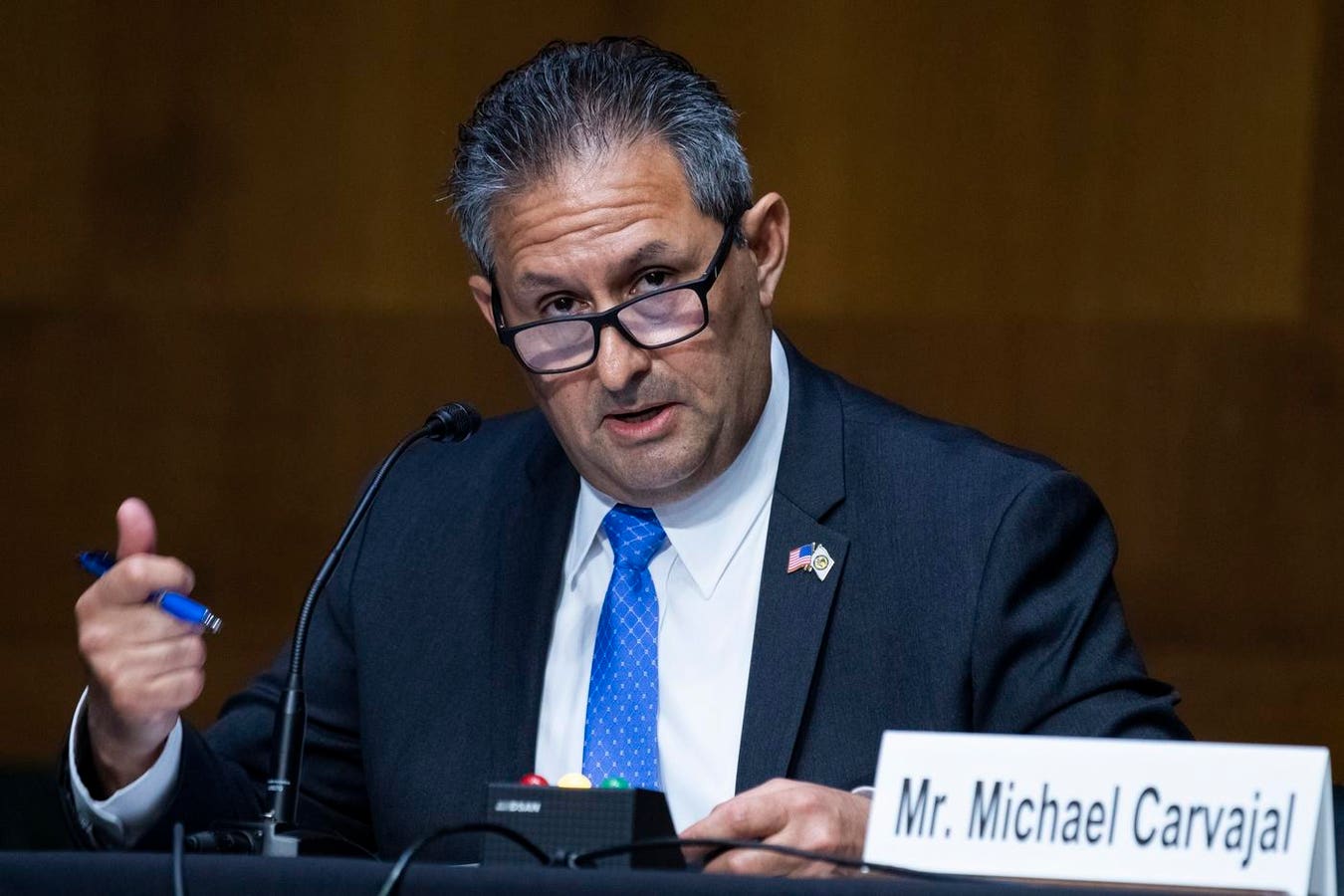
The problems documented in the most recent report mirror findings from 2022, 2023, and 2024, demonstrating that leadership transitions have failed to produce meaningful improvements. Former Director Michael Carvajal resigned under congressional pressure, and his successor Colette Peters was among the first officials dismissed when President Trump took office in 2025, yet the systemic issues remain largely unresolved under current Director William Marshall III.
Chronic Staffing Shortages Undermine Bureau Operations
The OIG identifies staffing deficiencies as a foundational problem affecting every aspect of Bureau operations. Correctional officers, healthcare workers, psychologists, and maintenance personnel remain in critically short supply across federal facilities. This shortage forces the agency to rely on mandatory overtime and reassigning non-custody staff into security roles for which they lack proper training.
The consequences extend throughout the system, according to the Inspector General. Overworked employees are more prone to errors and disengagement, while pulling teachers and case managers into custody duties undermines rehabilitation programs designed to reduce recidivism. Additionally, the BOP has acknowledged it lacks a reliable methodology for determining appropriate staffing levels at individual facilities, making recruitment efforts essentially guesswork.
During the first Trump administration, hiring freezes reduced staffing to levels the American Federation of Government Employees Council of Prison Locals C-33 characterized as dangerous. That union was subsequently disbanded by the Trump administration in 2025, and its potential return may depend on federal court decisions.
Infrastructure Decay Creates Unsafe Conditions
Federal prison facilities continue to deteriorate at an alarming rate, with the OIG describing conditions as dire and unsafe in multiple reports. Leaking roofs, failing plumbing systems, outdated electrical infrastructure, and deficient fire safety systems plague institutions nationwide. Some facilities have required partial or complete closure due to untenable conditions, including FCI Terminal Island, which is scheduled for shutdown in Summer 2025.
The maintenance backlog runs into billions of dollars, yet the Bureau lacks a comprehensive infrastructure strategy to prioritize repairs and justify funding requests. However, Director Marshall has indicated that the Big Beautiful Bill allocated billions for infrastructure improvements, though those funds will take years to address existing problems. Infrastructure failures directly compromise safety, healthcare delivery, food services, and staff morale, turning crisis management into the default operating mode.
Contraband Control and Surveillance Failures Persist
Despite repeated OIG recommendations, contraband including drugs, weapons, and cell phones continues entering federal prisons through drones, perimeter breaches, staff misconduct, and inadequate search procedures. The Inspector General has directly linked contraband to inmate deaths, violence, and institutional instability across multiple facilities.
Meanwhile, outdated and insufficient security camera systems remain a recurring problem. Many facilities operate with blind spots, poor image quality, and limited video retention that undermine investigations and allow misconduct to go undetected. The same camera deficiencies cited in contraband cases from the mid-2010s continue appearing in current inspections, indicating managerial rather than technological failures.
Sexual Abuse Scandals Reveal Cultural Breakdowns
Revelations of staff sexual abuse at facilities like FCI Dublin have exposed systemic failures in supervision, reporting, and accountability. Investigations found that wardens and senior staff were sometimes perpetrators rather than merely negligent supervisors. In contrast to isolated incidents, the OIG characterizes these abuses as symptoms of deeper cultural problems within the Bureau of Prisons.
Inadequate investigative staffing, reluctance to credit inmate testimony, and weak disciplinary processes allowed misconduct to persist for years before criminal prosecutions occurred. The persistence of these failures across administrations undermines claims that the BOP has fundamentally reformed how it addresses staff misconduct and federal prison management challenges.
Healthcare Deficiencies Put Inmate Lives at Risk
Healthcare has emerged as an increasingly critical concern in recent Inspector General reports. Staffing shortages in medical and mental health services limit treatment access, delay care, and impair suicide prevention efforts. The OIG has directly linked inadequate healthcare staffing to preventable inmate deaths and deteriorating mental health outcomes.
The Bureau has also struggled with healthcare contract management, with audits identifying poor planning, weak oversight, and insufficient quality monitoring. In some instances, the agency paid significantly more than projected for services without verifying whether inmates received constitutionally adequate care.
Why Reform Efforts Continue to Fail
The most troubling aspect of the OIG’s multi-year analysis is not that federal prison problems exist, but that they remain extensively documented yet unresolved. Leadership turnover, fragmented accountability, inadequate data systems, and chronic underfunding all contribute to stagnation. However, the Bureau also demonstrates an institutional tendency to respond to crises rather than implement reforms to completion.
Recommendations from the Inspector General linger open for years while pilot programs substitute for permanent solutions. The OIG warns that even significant funding infusions will not fix the BOP unless paired with strategic planning, transparency, and measurable outcomes rather than good intentions.
The Bureau of Prisons faces continued scrutiny as Director Marshall and Deputy Director Josh Smith work to address these longstanding challenges. Whether the current administration can break the cycle of repeated failures documented across multiple years remains uncertain, with the OIG indicating it will continue monitoring progress through its annual management challenge assessments.