





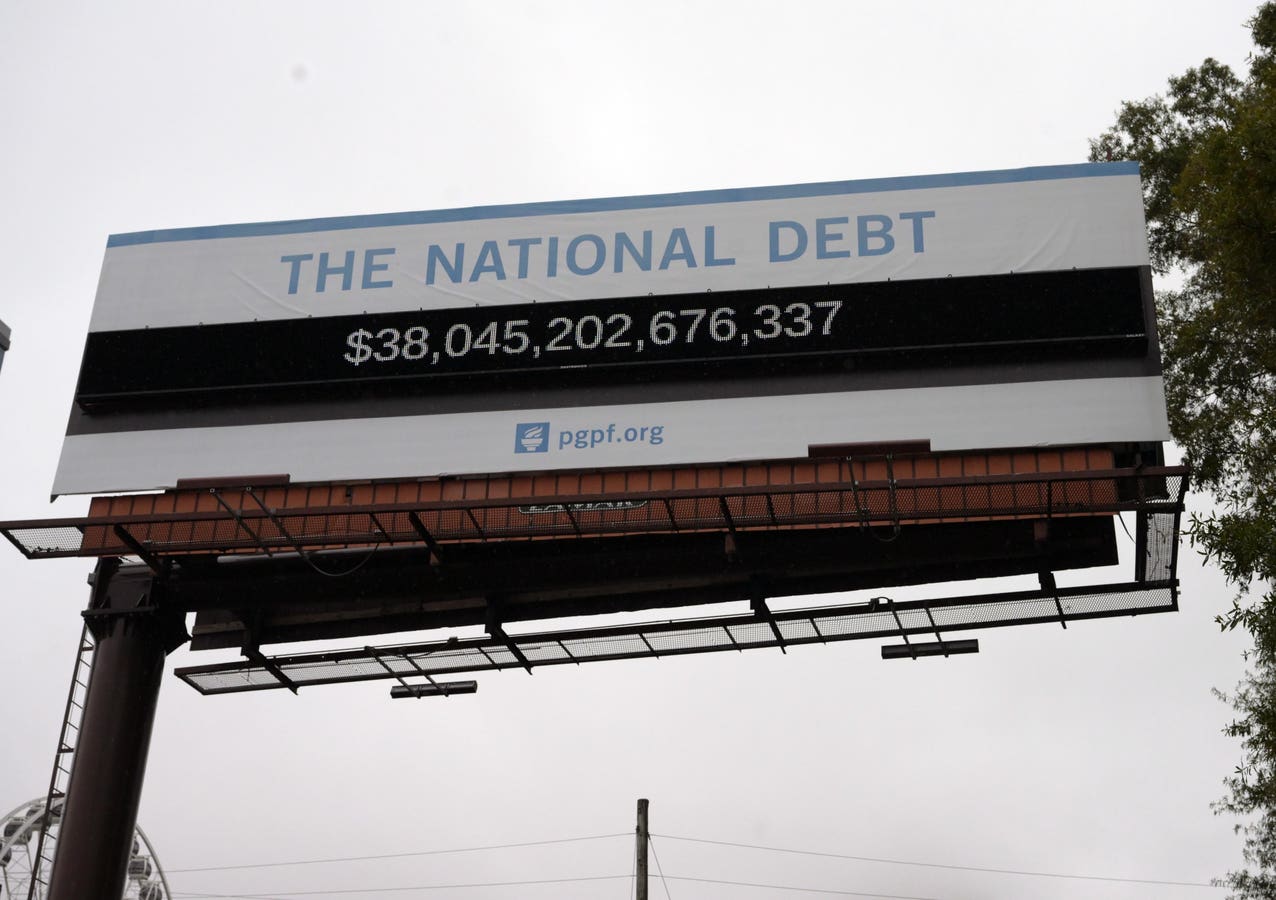
The U.S. national debt reached $38.5 trillion as of January 26, 2025, according to the U.S. Department of the Treasury, and continues to climb at an accelerating pace. This milestone comes just months after the debt topped $37 trillion in August 2024, underscoring the rapid trajectory of government borrowing. Projections suggest the national debt could soar to nearly $51 trillion by 2030 if current growth trends persist.
At the current growth rate, the debt is increasing by approximately $6.12 billion per day, according to Republicans on the congressional Joint Economic Committee. The increase over the past year amounts to $6,566.84 per person or $16,574.81 per household, with total gross national debt standing at $112,881 per person or $284,914 per household. These figures highlight the substantial burden being placed on American citizens.
National Debt Growth Sparks Concerns from Financial Leaders
JPMorgan Chase Chief Executive Officer Jamie Dimon recently expressed alarm about the trajectory of U.S. government borrowing. In a discussion with Carlyle cofounder David Rubenstein at the Chamber of Commerce, Dimon called the current $38.5 trillion debt level “not sustainable.” He compared geopolitics and the national debt to “tectonic plates” that are moving and could potentially crash, though the timing remains uncertain.
Using an average annual growth rate of $2.01 trillion over the past decade, the national debt is projected to reach $48.9 trillion by 2030. However, if the higher five-year growth rate of $2.5 trillion continues, the debt could exceed $50.9 trillion within the same timeframe. These projections underscore the urgency of addressing federal spending and revenue imbalances.
Treasury Yields Signal Growing Market Concerns
The yield on the 10-year Treasury Note has become a critical indicator of investor confidence in U.S. fiscal health. Higher yields reflect lower bond prices, signaling that investors are demanding greater returns due to concerns about debt levels, fiscal management, and potential inflation. According to data from the Federal Reserve Bank of St. Louis, Treasury yields had been declining since the early 1980s but began rising again following the pandemic.
This reversal coincides with unprecedented government spending and growing political discord over budget priorities. Additionally, the shift in bond market dynamics reflects mounting anxiety about the sustainability of current borrowing levels. The 10-year Treasury yield serves as a benchmark for borrowing costs throughout the economy, affecting everything from mortgage rates to corporate financing.
Federal Budget Deficit Compounds National Debt Crisis
The U.S. national debt now stands at 100% of Gross Domestic Product, while interest costs are surging to record levels, according to the non-partisan Committee for a Responsible Federal Budget. Meanwhile, budget deficits remain elevated at approximately 6% of GDP, indicating that government spending continues to significantly outpace revenue. The organization recently released a report examining what a potential fiscal crisis might look like for the United States.
The Committee defines a fiscal crisis as “a sharp economic shock or downturn caused or sparked by high levels of current or expected public borrowing.” In contrast to previous decades when the debt-to-GDP ratio was more manageable, current levels approach historical peaks last seen following World War II. The combination of high debt, rising interest payments, and persistent deficits creates a precarious fiscal situation.
Interest Payments Consume Growing Share of Budget
As debt servicing costs climb, they consume an increasing portion of the federal budget that could otherwise fund programs and services. The rising interest burden occurs even as the government faces competing demands for infrastructure investment, healthcare, and national defense spending. Furthermore, higher interest rates amplify the cost of rolling over existing debt and financing new borrowing.
The Congressional Budget Office and other fiscal watchdogs have warned that without policy changes, interest payments could eventually exceed spending on major discretionary programs. This scenario would force difficult choices about budget priorities and potentially require significant tax increases or spending cuts. The situation becomes more urgent as the population ages and entitlement program costs continue rising.
Future analysis of the Committee for a Responsible Federal Budget report will examine specific scenarios that could trigger a fiscal crisis and assess the probability of such outcomes. The timing and nature of potential budgetary action from Congress and the administration remain uncertain as policymakers debate competing priorities.