





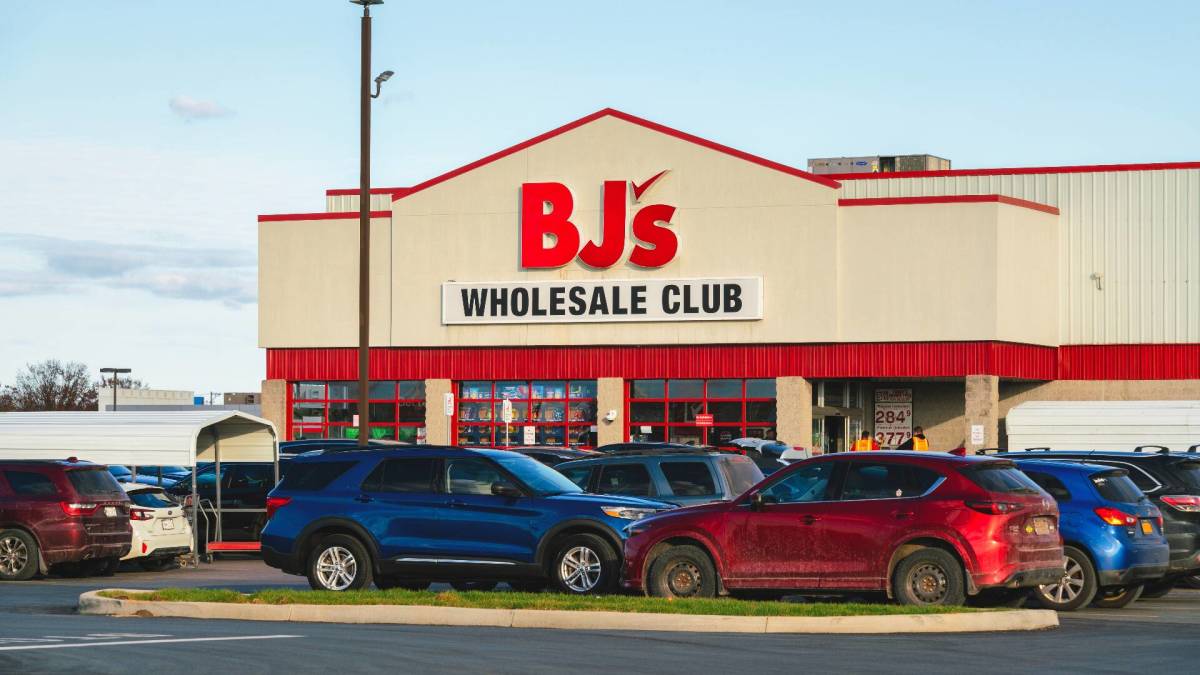
BJ’s Wholesale is ramping up its expansion strategy as the warehouse club faces cautious consumer spending and intensifying competition from industry giants Costco and Sam’s Club. The company announced plans to maintain an aggressive pace of new store openings after achieving comparable club sales growth of 2.6% year over year in the fourth quarter of 2025, according to its latest earnings report. However, this performance lagged behind rivals, with Costco posting 5.9% U.S. comparable sales growth and Sam’s Club seeing a 4% increase during the same period.
During a March 5 earnings call, BJ’s Wholesale CEO Bob Eddy addressed the challenging retail environment. The company navigated what he described as a dynamic landscape marked by a more cautious, value-seeking consumer, tariff-related uncertainties, and broader macroeconomic volatility throughout 2025.
Consumer Spending Patterns Impact BJ’s Wholesale Performance
The warehouse retailer experienced mixed results across different product categories during the fourth quarter. While sales in grocery, perishables, consumer electronics, and apparel increased after launching promotional deals, BJ’s saw declining sales in home and seasonal categories. According to Eddy, these struggling segments were more subject to tariffs and experienced significant inventory cuts.
Additionally, the company’s operating income decreased by 0.2% during the quarter, reflecting the pressure of maintaining competitive pricing while facing economic headwinds. Eddy emphasized that value remains foundational to how the company serves its members, particularly as consumers become more selective with their spending across all income levels.
Economic Pressures Drive Cautious Shopping Behavior
The trend of cautious consumer spending reflects broader economic pressures affecting American households. According to a recent survey from EY-Parthenon, approximately one in four U.S. consumers felt worse off financially in December compared to the previous month. Meanwhile, about 70% of respondents flagged moderate or major concern about the elevated cost of living, particularly regarding grocery prices.
The survey also revealed that the top three areas where consumers are cutting spending include travel, restaurants, and entertainment. Will Auchincloss, EY-Parthenon Americas retail sector leader, warned that consumers will continue to be value-conscious and selective well into 2026, which will continue to shape the competitive landscape for retailers and brands.
BJ’s Wholesale Accelerates Store Expansion Strategy
In response to these market challenges, BJ’s is focusing on expanding its retail footprint nationwide as a key growth strategy. The company opened 14 new clubs across eight different states in 2025, a move that has yielded results exceeding expectations. According to Eddy, these new locations are delivering sales, membership, and profit well above initial projections.
However, membership in these new clubs has grown by more than 30% beyond the company’s initial expectations. On-time renewal rates at these locations are also approximately 9% higher than the company’s chain average, indicating strong customer satisfaction and loyalty.
Expansion Plans Challenge Major Competitors
BJ’s remains on track to deliver 25 to 30 new clubs over 2025 and 2026 combined, with plans to maintain this pace in coming years. Next month, the company plans to enter the Dallas-Fort Worth market with a new club opening in a rapidly growing area. In contrast, BJ’s currently operates about 280 locations, significantly fewer than Costco’s approximately 634 U.S. locations and Sam’s Club’s over 600 stores.
The warehouse club’s expansion strategy comes as major competitors also plan aggressive growth. Costco CEO Ron Vachris announced plans to open about 30 new clubs worldwide annually, while Sam’s Club previously stated intentions to open 15 new clubs globally each year.
BJ’s expects its comparable club sales, excluding gas, to increase by 2% to 3% year over year in fiscal year 2026. The company’s ability to meet these projections will depend on how effectively it executes its expansion strategy while navigating continued economic uncertainty and competitive pressures in the warehouse club sector.