




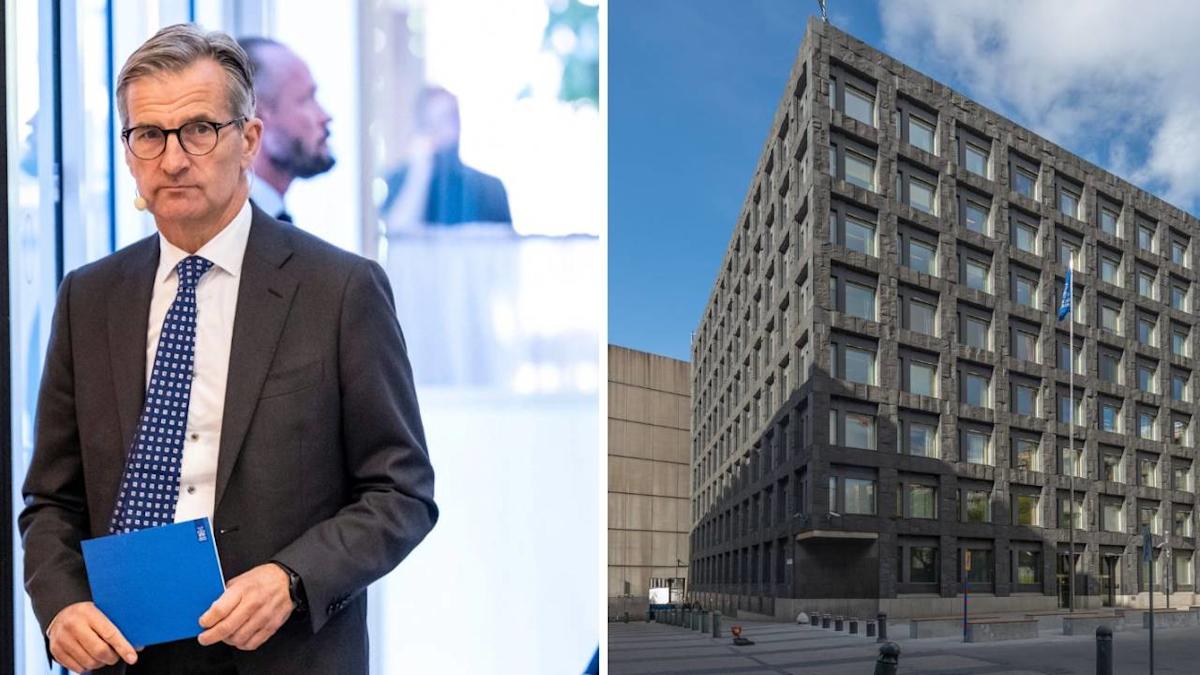
Sweden’s central bank has issued a recommendation for citizens to keep cash at home as part of national preparedness efforts amid rising geopolitical tensions. The Riksbank announced Wednesday that households should maintain approximately 1,000 Swedish kronor (around $109) in physical currency per adult to ensure they can purchase essentials during potential payment system disruptions. This guidance reflects growing concerns about the vulnerability of cashless societies in times of crisis or conflict.
The central bank emphasized that having access to different payment methods is crucial for maintaining the ability to buy food, medicine, and other necessities during temporary disruptions, crises, and even war. According to the Riksbank, the general public plays an important role in Sweden’s total defense and strengthening national preparedness in the payments market.
Why Sweden Is Urging Cash Preparedness
Sweden has become one of the world’s most cashless societies, with only one in 10 purchases made using physical currency, according to The Guardian. This heavy reliance on digital payments creates significant vulnerabilities if electronic networks experience outages due to technical failures, cyberattacks, or military conflicts.
The recommendation aims to reduce these risks by ensuring households can still conduct transactions even when digital payment systems are unavailable. The central bank specified that the cash should be kept in several different denominations to facilitate various types of purchases.
Regional Pattern of Financial Preparedness
Sweden is not alone in issuing such guidance to its citizens. According to Bloomberg, the central banks of Finland and Norway have also advised their populations to keep cash on hand as part of broader preparedness efforts. This coordinated approach reflects heightened security concerns across Nordic countries.
Additionally, the Riksbank recommended that households carry payment cards from different networks to maintain transaction capabilities if one system experiences technical problems. Officials also encouraged the public to use cash at regular intervals to help ensure the country’s cash infrastructure remains functional and accessible.
Geopolitical Context Behind Cash Recommendations
The warning comes against a backdrop of escalating geopolitical tensions worldwide. The ongoing Russia-Ukraine war continues to create regional instability, while recent conflicts involving the United States, Israel, and Iran have added to global uncertainty and security concerns.
However, the implications of major conflicts extend beyond immediate security concerns. Wars can significantly impact household wealth by reshaping currency values and disrupting financial markets. Government wartime spending typically involves increased borrowing and money printing, which can devalue currency and fuel inflation.
Expert Perspectives on Wartime Assets
Financial experts have long warned about the effects of conflict on monetary value. In contrast to holding cash during peacetime, maintaining large cash reserves during major wars may not preserve wealth effectively due to inflation pressures. Wars tend to bring surges in government spending while production of consumer goods may decline and supply chains become disrupted.
Meanwhile, certain assets historically demonstrate greater resilience during periods of conflict. Productive assets that generate income or have intrinsic value often maintain their worth better than currency during wartime inflation. Real estate, businesses, and commodities have historically served as hedges against the currency devaluation that typically accompanies major conflicts.
The Riksbank has not specified a timeline for reviewing or updating its cash preparedness recommendation. Authorities have not confirmed whether additional guidance regarding financial security measures will be issued in the coming months.