





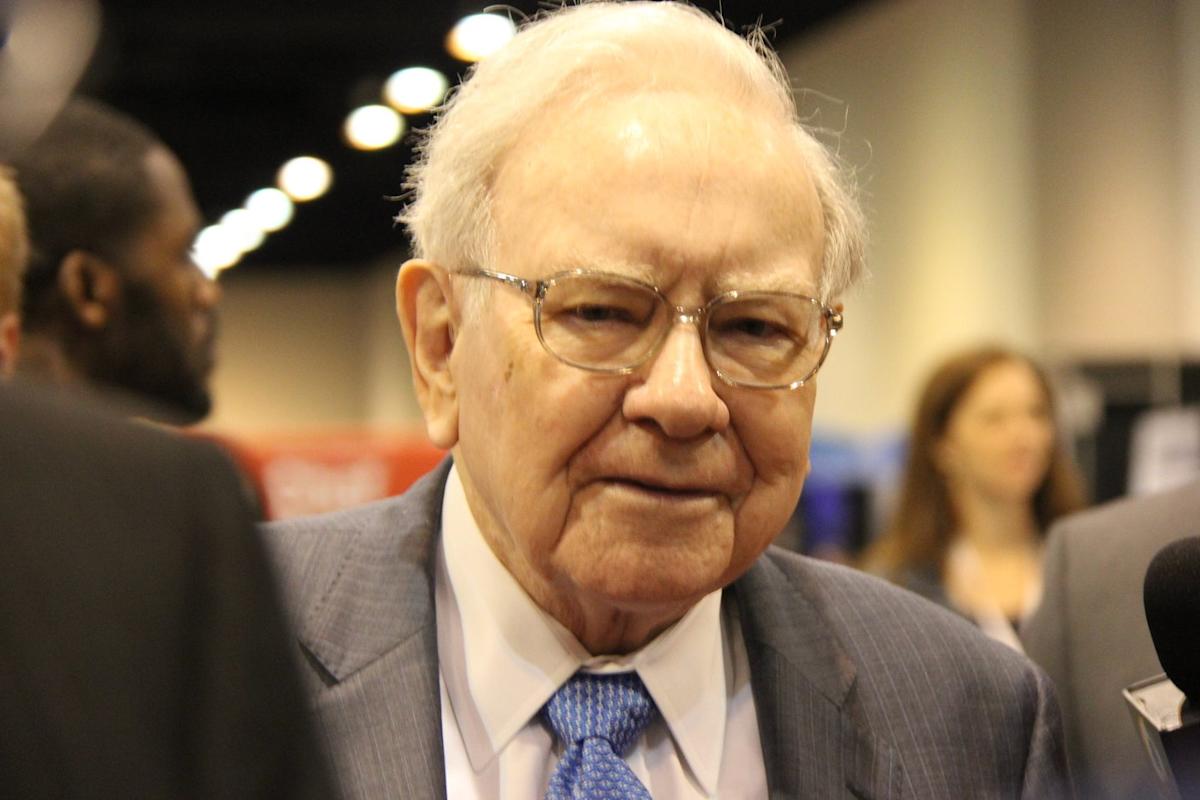
Warren Buffett continued his unprecedented selling streak in his final quarter as CEO of Berkshire Hathaway, offloading an estimated $4.5 billion in major tech holdings while simultaneously initiating a new position in a legacy media company. The Berkshire Hathaway portfolio changes included continued reductions in Apple shares and the beginning of Amazon stock sales, according to regulatory filings.
The stock sales come after 13 consecutive quarters of net selling activity under Buffett’s leadership, which resulted in Berkshire accumulating a record cash position of $373 billion by the end of 2025. Despite the substantial reductions, Apple remains Berkshire’s largest marketable equity position at approximately 19% of the total portfolio.
Berkshire Hathaway Continues Apple Position Reduction
Buffett invested more than $30 billion in Apple between 2016 and 2018, making it one of his largest investments ever. The position peaked at nearly $200 billion in value in 2023, representing over 50% of Berkshire’s marketable equity portfolio before the selling began.
However, valuation concerns appear to have driven the decision to trim the stake. Apple’s trailing price-to-earnings ratio climbed from around 10 when Buffett first purchased shares to approximately 34 at the end of 2025, according to the report.
Additionally, the stock currently trades at 31 times forward earnings estimates, a multiple that likely exceeded Buffett’s comfort level. New Berkshire CEO Greg Abel indicated in his first shareholder letter that investors should expect “limited activity” regarding the Apple stake going forward, suggesting the selling may be complete.
Amazon Sales Linked to Portfolio Manager Departure
The decision to reduce Berkshire’s Amazon holdings came after the company maintained roughly the same position since early 2019. Many analysts believe the Amazon position was established by Todd Combs, a portfolio manager who departed the company last quarter.
Meanwhile, Amazon’s valuation has actually improved since Berkshire’s initial purchase, with its price-to-earnings ratio falling to 32 by the end of 2025 compared to 80 times earnings when initially acquired. Nevertheless, concerns about free cash flow may have influenced the selling decision, as Amazon announced a $200 billion capital expenditure budget for 2026 focused on artificial intelligence infrastructure.
New York Times Investment Represents Classic Buffett Strategy
In contrast to the tech stock sales, Buffett established a new position in The New York Times, a company founded in 1851. The investment aligns with Buffett’s historical preference for established businesses, echoing his 2023 statement to shareholders that “Berkshire is not big on newcomers.”
The newspaper investment comes at a challenging time for the media industry, with many publishers facing significant disruption. However, The New York Times has successfully navigated the digital transformation, pushing revenue 9% higher in 2025 while increasing operating profit by 23%, according to company reports.
The publisher’s success stems from its digital-first strategy and diversified content offerings beyond traditional news. Its portfolio includes popular properties like Cooking, Games, The Athletic for sports coverage, and Wirecutter for product reviews, helping maintain subscriber engagement and growth.
Strong Subscriber Growth Supports Investment Thesis
The New York Times added 1.4 million subscribers in 2025, bringing its total to 12.8 million, with 96% being digital-only subscribers paying an average of $9.72 monthly. Management projects digital-only subscriber growth of 14% to 17% year-over-year in the first quarter, supporting expectations for low double-digit revenue growth.
Buffett likely acquired the shares in the third quarter when they traded at price-to-earnings multiples in the low-to-mid-20s. The stock currently trades near 30 times forward earnings estimates, representing a premium valuation for the quality business.
The continued selling activity across Berkshire’s portfolio suggests Buffett believed much of the market remained overvalued heading into his retirement. However, the selective new investment in The New York Times indicates opportunities still exist for patient investors willing to pay fair prices for quality businesses with proven track records and sustainable competitive advantages.