





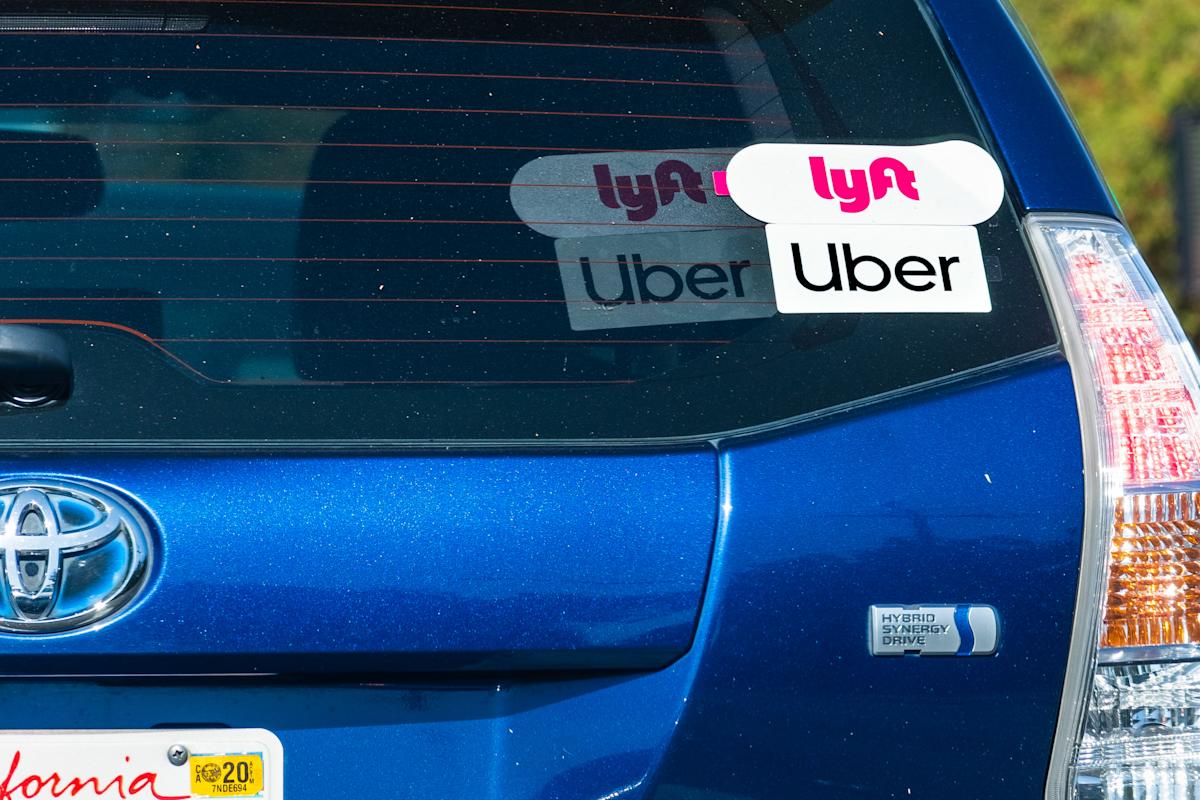
Car insurance for rideshare drivers presents unique challenges, as standard personal auto policies typically don’t provide coverage during all phases of driving for platforms like Uber, Lyft, or delivery apps. Yahoo Finance recently analyzed 20 major insurers to identify the best rideshare insurance options based on coverage availability, rates, discounts, and protective features for gig economy drivers.
According to the analysis, American Family earned the top ranking with a 5.0-star rating for best rideshare insurance. The insurer offers 11 coverage options, including accident forgiveness, diminishing deductible, new car replacement, and gap insurance, with an average full coverage rate of $151 per month. However, American Family’s availability is limited to regional markets, primarily in the West and Midwest.
Top Rideshare Insurance Providers Offer Competitive Coverage Options
Farmers secured second place with a 4.9-star rating, distinguished by its extensive customization options. The company provides 17 coverage offerings and 19 discount types, with an average full coverage premium of $182 monthly. Additionally, Farmers operates nationwide, making it accessible to more rideshare drivers than regional competitors.
Allstate and Travelers tied for third place, each earning 4.7 stars. Allstate stands out for offering all major protective add-ons evaluated in the study, including accident forgiveness and gap insurance, at an average monthly rate of $180. Meanwhile, Travelers balances competitive pricing at $183 per month with 14 coverage options and strong protective features.
Understanding Rideshare Coverage Gaps
The need for specialized rideshare insurance stems from coverage gaps in standard personal auto policies. According to insurance experts, coverage changes depending on which “period” a driver is in. Period 1 occurs when the rideshare app is active but no ride request has been accepted—a time when personal policies often don’t provide protection and platform-provided coverage may be limited.
Rideshare endorsements fill these gaps by extending personal policy coverage during Period 1. Without this protection, drivers could face out-of-pocket expenses if an accident occurs while waiting for ride requests. Some insurers also clarify whether their rideshare coverage extends to food delivery platforms, an important consideration for drivers who work across multiple gig apps.
Cost Factors and Coverage Recommendations for Gig Drivers
Liberty Mutual and Progressive rounded out the top tier with 4.5-star ratings each. Liberty Mutual offers 19 coverage options, the largest menu in the analysis, though its average full coverage rate of $216 per month is higher than competitors. Progressive distinguishes itself by explicitly covering food delivery drivers during certain app-use phases, addressing a coverage question many insurers leave unclear.
Insurance experts recommend that rideshare drivers maintain collision and comprehensive coverage alongside their rideshare endorsement. Additionally, protective add-ons such as gap insurance become particularly valuable for drivers with vehicle loans, as the increased mileage from rideshare work accelerates depreciation.
Rate Comparison and Savings Strategies
The analysis reveals significant rate variations among insurers offering rideshare coverage. According to data from Savvy Insurance Solutions, full coverage rates among the 20 companies studied ranged from $151 to over $216 monthly. This variance underscores the importance of comparison shopping for rideshare drivers.
Common factors affecting rideshare insurance rates include driving history, vehicle age and type, location, coverage limits, and deductible amounts. Drivers can potentially reduce premiums through multi-policy discounts, safe-driver programs, and usage-based insurance options, particularly if they don’t drive extensively outside of rideshare work.
Essential Considerations When Selecting Rideshare Insurance
Industry analysts emphasize several key factors when choosing rideshare insurance. First, drivers should confirm their current insurer permits rideshare driving, as some companies prohibit it entirely. Next, drivers must verify exactly which periods of app use are covered and whether food delivery is included if they work across multiple platforms.
The study methodology weighted rideshare endorsement availability most heavily at 30% of the total score, followed by rate competitiveness at 20%, protective add-ons at 20%, discount availability at 15%, and total coverage offerings at 15%. This framework reflects the priorities most relevant to gig economy drivers who face unique insurance challenges.
As the gig economy continues expanding, rideshare drivers should review their coverage annually to ensure their policies align with changing work patterns. Experts recommend updating policies when driving hours increase, when switching platforms, or when acquiring new vehicles to maintain adequate protection throughout all phases of rideshare work.