





Australia’s leading accounting and self-managed super fund bodies have submitted a joint proposal to Treasury calling for greater transparency in professional indemnity insurance claims data. The submission addresses concerns about professional indemnity insurance within the framework of the Compensation Scheme of Last Resort, urging authorities to strengthen oversight and improve data collection to better protect consumers and financial advice clients.
Chartered Accountants Australia and New Zealand, CPA Australia, the Institute of Public Accountants, and the SMSF Association collaborated on the submission to Treasury’s consultation. According to CA ANZ, the organizations emphasized that while professional indemnity insurance plays a vital role in compensating clients affected by poor advice or adviser misconduct, significant gaps remain in understanding how the system currently functions.
Transparency Concerns in Professional Indemnity Insurance Claims
The accounting bodies highlighted a critical lack of publicly available information regarding claim outcomes. CA ANZ noted in a statement that limited data exists on whether claims are paid, unpaid, or declined, making it difficult to assess whether professional indemnity insurance arrangements are functioning as intended. This opacity prevents regulators, industry participants, and policymakers from identifying coverage gaps that may leave consumers vulnerable.
The organizations called for improved reporting mechanisms to track and publish claims data more systematically. Additionally, they stressed that enhanced transparency would enable more informed policy decisions and help identify areas where the insurance framework requires strengthening.
Role and Limitations of Insurance Coverage
In their statement, the professional bodies clarified the appropriate scope of professional indemnity insurance in the financial advice sector. According to CA ANZ, robust and responsive insurance coverage is central to consumer protection and confidence in the retail financial advice system. However, the groups cautioned that such insurance is not designed to underwrite product failures or systemic collapses.
The organizations argued that professional indemnity insurance should not be treated as the primary backstop for large-scale industry failures. Instead, they emphasized the need for a more balanced approach that addresses systemic risks through preventive regulatory measures rather than relying solely on insurance mechanisms.
Support for Stronger Regulatory Oversight
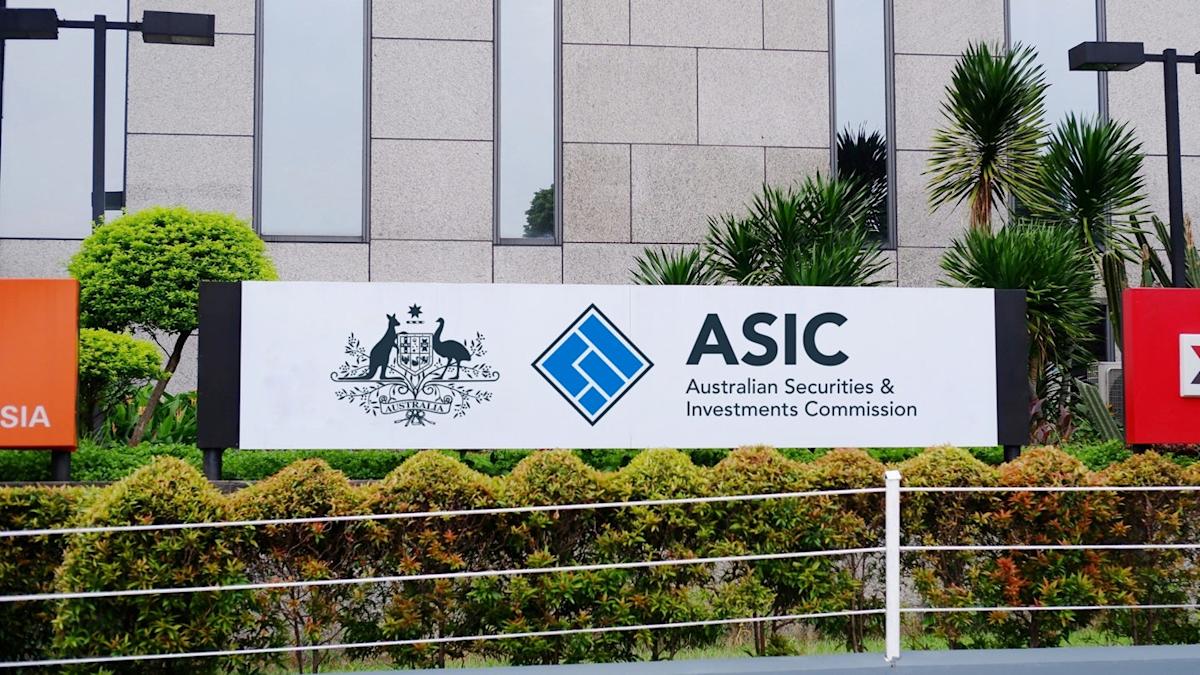
The joint submission expressed support for ongoing and consistent oversight by the Australian Securities and Investments Commission. While the accounting bodies acknowledged that the current regulatory framework for professional indemnity insurance is broadly adequate, they advocated for stronger monitoring to bolster compliance and enhance consumer protection.
Meanwhile, the organizations highlighted growing pressures on the Compensation Scheme of Last Resort. They argued that regulatory efforts should shift more decisively toward prevention, focusing on improved governance, tighter management of conflicts of interest, and earlier regulatory intervention to address problems before they escalate.
Professional Standards and Member Requirements
The accounting bodies outlined their existing requirements for members in public practice. According to the statement, members must hold robust professional indemnity insurance that meets clear minimum standards, including long-term run-off cover. These requirements support high professional standards, reduce risk exposure, and improve both the availability and effectiveness of insurance coverage across the sector.
In contrast to relying primarily on compensation schemes, the organizations emphasized that proactive measures and strong professional standards offer more sustainable protection for consumers. They noted that prevention-focused regulation ultimately serves both practitioners and clients more effectively than reactive compensation mechanisms.
Treasury has not yet announced a timeline for responding to the consultation submissions or implementing any potential reforms to professional indemnity insurance requirements. The outcome of this consultation may influence future regulatory changes affecting financial advisers and accounting professionals across Australia.