





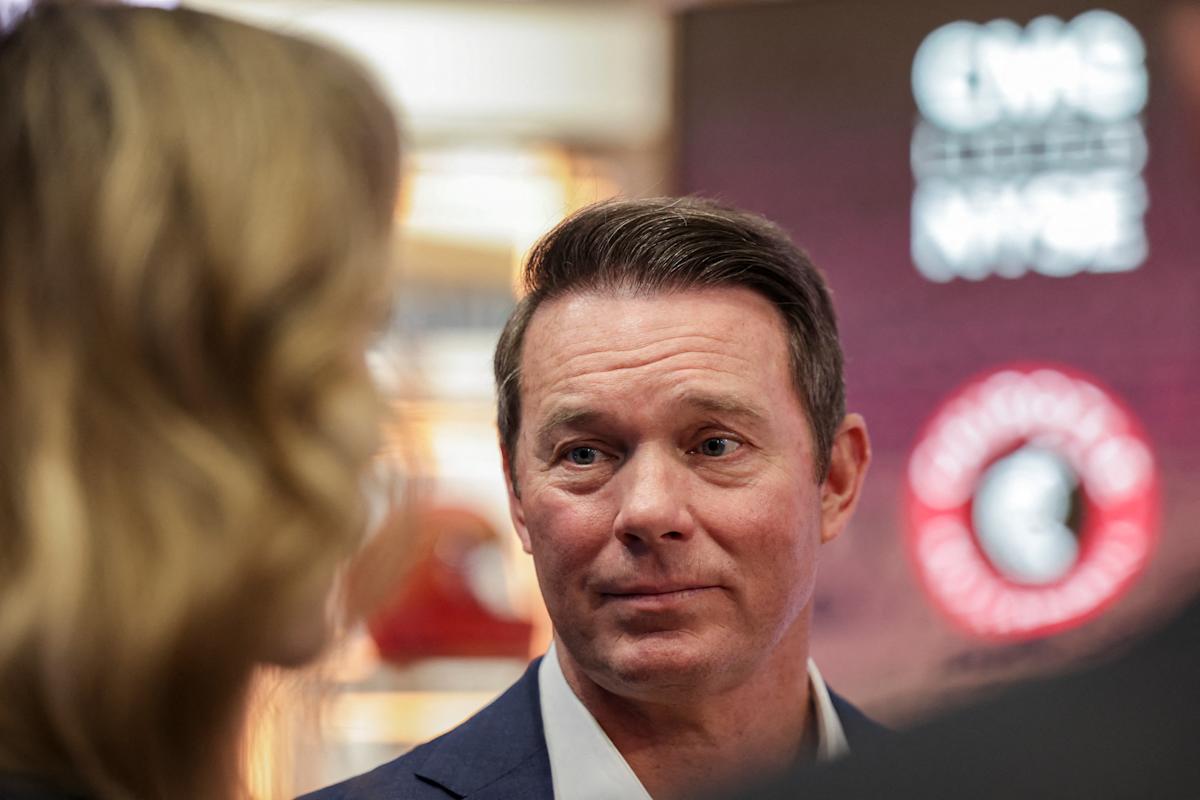
Chipotle CEO Scott Boatwright has addressed what he calls “misinformation” about the fast-casual chain’s customer base, emphasizing that the restaurant serves all income levels despite recent statistics showing 60% of its consumers have household incomes exceeding $100,000 annually. The clarification comes after Boatwright’s comments during an earnings call sparked online debate about whether Chipotle pricing has pushed the brand beyond reach for everyday consumers.
According to statements made to Yahoo Finance, Boatwright confirmed the income statistics but stressed that Chipotle remains accessible across different lifestyles. The CEO highlighted entry-level menu options including high-protein items starting at $3.50 and protein sides at $3.80 as evidence of the chain’s continued affordability.
Chipotle Stock Performance Reflects Broader Challenges
The timing of these statements coincides with significant financial headwinds for the company. Chipotle stock has declined approximately 31% over the past year, though shares have recovered some ground in early February 2026. Investors are now facing a 2026 outlook projecting flat comparable sales growth, marking a stark contrast to the company’s previous position as a Wall Street favorite.
The company’s defensive positioning comes as annual restaurant inflation hovers around 4.1%, putting pressure on both operators and consumers. Meanwhile, beef prices reached an all-time peak of $6.69 per pound in December 2025, according to US Bureau of Labor Statistics data, squeezing margins across the industry.
Strategic Response to Inflation and Consumer Concerns
Management claims Chipotle is underpricing inflation by limiting price increases to just 1% to 2% this year, effectively absorbing margin pressure to maintain customer traffic. However, the approach has not prevented growing criticism that the brand has drifted from its humble roots toward premium positioning.
Additionally, this is not the first reputation challenge Chipotle has faced in recent years. In 2024, the company addressed viral accusations of portion sizes being reduced, forcing management to publicly defend its serving practices. The latest controversy over customer demographics represents another front in the battle to maintain brand perception.
Happy Hour Strategy Targets Value-Conscious Consumers
In response to the affordability concerns, Chipotle is testing a new program called “Happier Hour” that targets the mid-day period with lower-priced meal bundles. The initiative represents a strategy more commonly associated with casual dining chains like Applebee’s than fast-casual restaurants.
According to Boatwright, the test program may feature deals priced at $10 or less, potentially including “a couple of tacos and a beverage.” However, the CEO emphasized that the format is not yet finalized and will depend on performance metrics and consumer response.
The company plans to focus on its higher-income customer segment through brand innovation and menu development, while simultaneously addressing value perception issues. Boatwright stated that Chipotle intends to “lean into those consumers with brand innovation, menu innovation, and really give them more compelling reasons to come in.”
Balancing Premium Ambitions With Accessibility
The dual strategy reflects the challenge facing Chipotle as it attempts to bridge the gap between premium pricing and its identity as an accessible quick-service option. In contrast to competitors who have leaned heavily into value offerings, Chipotle has maintained relatively modest price increases despite rising input costs.
Nevertheless, the online backlash suggests a growing perception gap between how the company positions itself and how consumers view its accessibility. The 60% statistic regarding high-income customers has become a flashpoint in broader discussions about inflation and dining affordability.
The success of the “Happier Hour” pilot program and Chipotle’s ability to balance value offerings with premium menu innovation will likely determine whether the company can reverse its stock decline and meet its flat growth projections for 2026. Management has not announced a timeline for broader rollout of the happy hour concept beyond initial testing phases.