



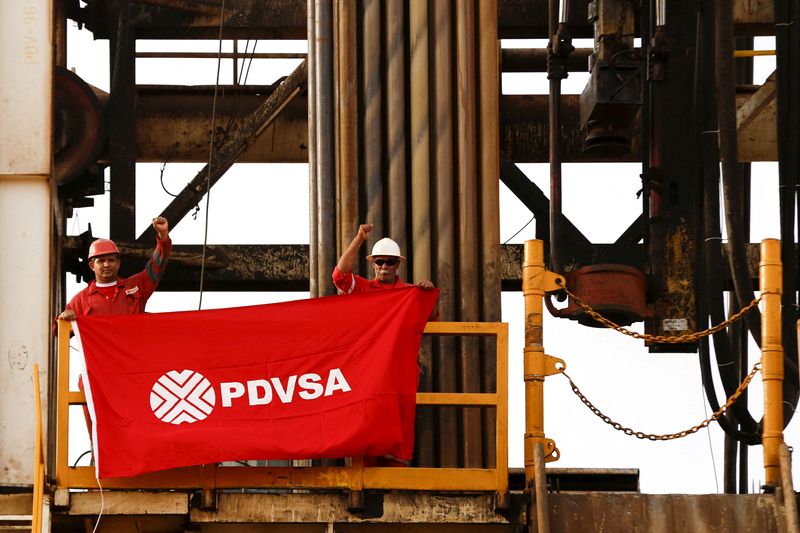
Venezuela’s state oil company PDVSA has reversed most of the output cuts previously ordered at its oilfields and joint ventures in the Orinoco Belt, according to sources close to operations. The production recovery has pushed Venezuela’s total crude production close to 1 million barrels per day, marking a significant rebound for the OPEC nation’s struggling oil sector.
The Orinoco region is now producing slightly over 500,000 barrels per day following increases over the weekend at several projects, sources said. This represents an increase of more than 100,000 barrels per day compared to early January levels, when production had been severely curtailed.
US Blockade Forced Earlier Production Cuts
Venezuela had been forced to cut back crude output, its main source of revenue, following an oil blockade imposed by Washington in December. The strict US blockade left millions of barrels of exportable crude stuck at onshore tanks and vessels throughout the country, forcing PDVSA to implement output cuts across its operations.
However, PDVSA has recently begun reversing these cuts as exports bounce close to normal levels. The recovery comes amid shifting political dynamics in Venezuela and evolving US sanctions policy toward the oil-rich nation.
Trading Houses Receive Export Licenses
Trading houses Trafigura and Vitol were granted initial US licenses last month to export and market millions of barrels of Venezuelan oil, according to reports. The licenses are part of a flagship $2 billion supply agreement between Caracas and Washington, representing a significant shift in the sanctions framework that has constrained Venezuelan oil production for years.
Additionally, the US Treasury Department has issued general licenses in recent weeks broadly allowing US companies to export Venezuelan oil and provide the country with fuel. Separate sources have indicated that these authorizations are expected to be followed by other licenses for exploring and producing oil in Venezuela.
Licenses Help Untangle Venezuelan Oil Exports
The US licenses have helped untangle exports by freeing crude and fuel that were held in inventory, sources said. Meanwhile, the authorizations have provided much-needed diluents for Venezuela’s extra heavy oil, which requires blending with lighter hydrocarbons to flow through pipelines and be transported efficiently.
The easing of restrictions has allowed PDVSA to boost crude production, particularly at the Orinoco Belt, which contains some of the world’s largest oil reserves. The region’s extra heavy crude has long been central to Venezuela’s oil industry, though production had declined dramatically under years of underinvestment and international sanctions.
Production Recovery Supports Revenue Generation
In contrast to the depressed output levels seen in early January, the current production recovery provides Venezuela with increased revenue potential from oil sales. The country has historically relied heavily on petroleum exports to fund government operations and social programs, making production levels critical to the nation’s economic stability.
The production increases come as Venezuela navigates a complex political transition following reported changes in government leadership. The ability to restore oil output represents a crucial factor for any administration seeking to stabilize the country’s economy and address widespread shortages of basic goods and services.
Authorities have not confirmed whether additional production increases are planned or when output might return to historical peak levels. The pace of further recovery will likely depend on continued US license approvals and PDVSA’s ability to secure necessary equipment and technical expertise for its aging oilfields.