

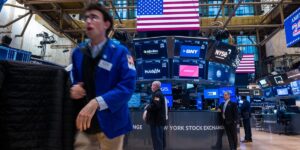




Major U.S. corporations including Estée Lauder Companies (EL), Skyworks Solutions (SWKS), Tyson Foods (TSN), and KKR & Co. have drawn investor attention with recent market developments affecting their stock performance and business operations. The market update reflects broader sector trends impacting beauty, semiconductor, food processing, and private equity industries. Trading activity for these companies has highlighted shifting investor sentiment amid evolving economic conditions.
According to recent market data, these four publicly traded companies represent diverse segments of the economy, each facing unique challenges and opportunities. Estée Lauder operates in the prestige beauty sector, Skyworks Solutions specializes in semiconductor components, Tyson Foods leads in protein production, and KKR manages alternative investments and private equity portfolios.
Estée Lauder Faces Beauty Market Headwinds
Estée Lauder Companies has encountered challenges in key international markets, particularly in Asia where luxury beauty demand has shown signs of softening. The cosmetics giant’s exposure to travel retail and duty-free channels has created vulnerability as global tourism patterns continue to normalize post-pandemic. Industry analysts have noted that premium beauty brands are navigating a complex consumer environment where spending patterns remain uneven across geographic regions.
Additionally, the company’s stock performance has reflected investor concerns about inventory management and promotional activity in the prestige beauty category. Competition from emerging brands and shifting consumer preferences toward digitally native beauty companies have added pressure to traditional beauty conglomerates.
Skyworks Solutions Navigates Semiconductor Cycle
Skyworks Solutions, a key supplier of radio frequency and mixed-signal semiconductors, has been impacted by broader semiconductor industry dynamics affecting the market update landscape. The company’s products serve smartphone manufacturers and other wireless communication device makers, exposing it to cyclical demand patterns. According to industry observers, inventory corrections in the mobile device supply chain have affected order volumes for component suppliers.
However, the long-term outlook for connectivity semiconductors remains positive as 5G adoption continues and Internet of Things applications expand. The company’s position in automotive and industrial markets provides some diversification from consumer electronics exposure.
Tyson Foods Confronts Protein Market Pressures
Tyson Foods has faced margin pressure amid fluctuating livestock costs and competitive dynamics in the protein sector. The meat processing company has worked to balance input cost inflation against pricing power in retail and foodservice channels. According to market analysts, the protein industry has experienced volatility related to feed costs, labor availability, and consumer demand shifts.
Meanwhile, the company’s efforts to expand value-added product offerings and improve operational efficiency have aimed to stabilize profitability. The broader food processing sector continues to adapt to changing dietary preferences and sustainability concerns among consumers.
KKR Demonstrates Private Equity Resilience
KKR & Co. has shown relative strength within the alternative asset management space as private equity firms navigate a challenging fundraising environment. The firm’s diversified business model spanning buyouts, credit, real estate, and infrastructure has provided multiple revenue streams. According to industry reports, deal activity in private equity has remained subdued compared to peak periods, though patient capital continues to flow into the asset class.
In contrast to more volatile public market segments, alternative investment managers have benefited from growing institutional allocations to private markets. KKR’s assets under management and fee-generating capacity have supported its market position despite macroeconomic uncertainty.
Investors and analysts will continue monitoring quarterly earnings reports and forward guidance from these companies to assess whether current market trends represent temporary headwinds or more structural challenges. The timing and magnitude of any potential recovery in their respective sectors remains subject to broader economic conditions and industry-specific factors.