





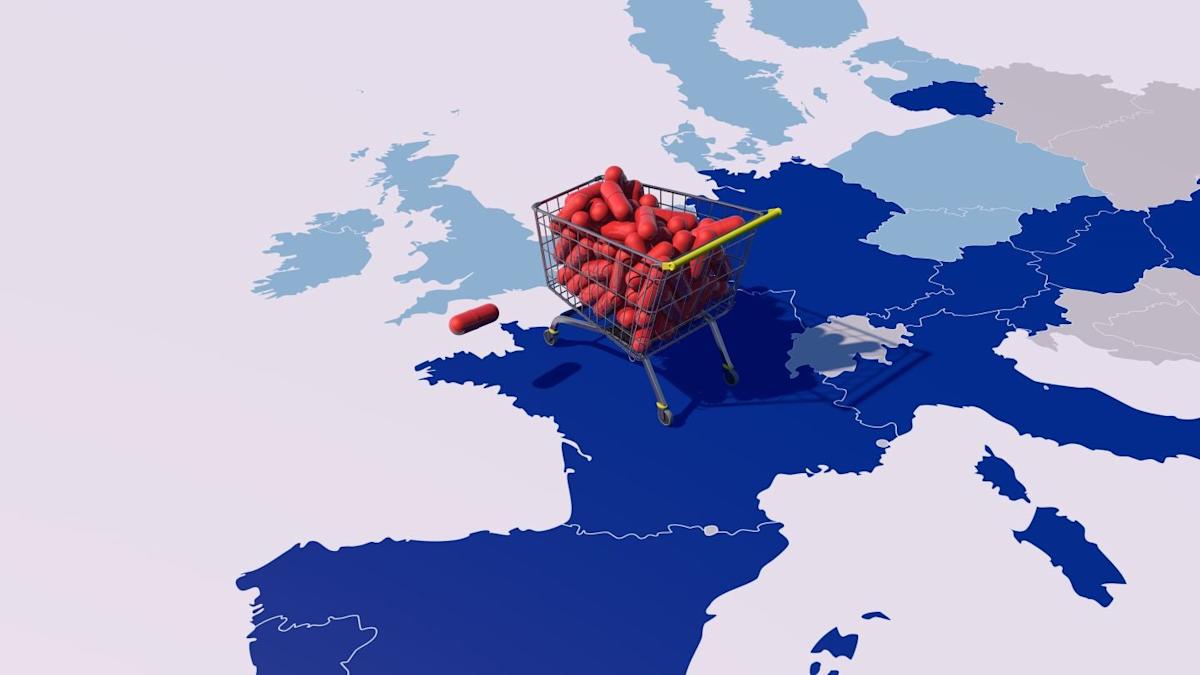
Despite facing tariff pressures and intense global competition, pharmaceutical manufacturers continue to invest significantly in European production facilities, viewing the continent as a strategic opportunity rather than a declining market. Contract development and manufacturing organisations are expanding their European pharma manufacturing capacity, citing factors ranging from regulatory advantages to shifting international trade dynamics. According to US Pharmacopeia’s medicine supply map, Europe’s share of active pharmaceutical ingredient drug master files submitted to the FDA fell from 42% in 2000 to just 10% in 2023.
In response to this manufacturing decline, the Council of the European Union and European Parliament agreed on the EU Pharma Package, a comprehensive overhaul of pharmaceutical law awaiting formal endorsement. The package includes provisions allowing countries to require companies to supply medicines sufficient to meet patient needs or risk losing marketing protections, while reducing marketing protection from two years to one year.
Strategic Investments in European Pharma Manufacturing
In October 2025, CDMO AGC Pharma Chemicals inaugurated a new facility in Barcelona, Spain, to produce highly potent APIs after investing over €100 million to increase capacity. According to Takuma Yamamoto, director of strategic planning and global marketing at AGC Pharma, the acquisition reflects a regionalized strategy driven by US customers’ growing reluctance to source from Chinese suppliers following the BIOSECURE Act’s passage in December 2025.
Meanwhile, German CDMO Rentschler Biopharma made its single largest investment in 2024 at its Laupheim site, planning a buffer media station operational by 2028. Patrick Meyer, global head of business development at Rentschler Biopharma, says this investment underscores commitment to Germany and Europe as leading biotechnology hubs.
Regulatory Standards Drive Competitive Advantage
Europe’s stringent regulatory framework, often cited as an obstacle, is increasingly viewed as a strategic asset by manufacturers. Yamamoto states that these high standards are being incorporated into AGC’s wider practices, providing quality assurance that appeals to international customers.
Additionally, Poland-based Mabion offers a unique value proposition within the European Union, according to Nigel Stapleton, VP of Business Development. Manufacturing in Poland provides cost advantages over the US and Western Europe while maintaining EU regulatory compliance and benefiting from a well-educated workforce.
US Tariffs Reshape Manufacturing Decisions
President Donald Trump’s 15% tariff on EU pharma imports was intended to return production to American soil. However, Yamamoto notes that high US production costs keep Europe attractive for companies looking to outsource manufacturing operations.
In contrast, Stefan Verheyden, CEO of German CDMO Sanner, says local representation across the US, China, and Europe has largely shielded the company from pharmaceutical trade tariffs. Sanner opened its first US facility in Greensboro, North Carolina, which began production in June 2025, alongside continued expansion in China and Germany.
Industry Concerns Persist Despite Growth
Nevertheless, significant challenges remain for European pharmaceutical manufacturing. In April 2025, 32 pharmaceutical companies including AstraZeneca, Novo Nordisk, and Roche cosigned a letter threatening to pull €16.5 billion of planned investment over three years due to dissatisfaction with the EU’s regulatory framework.
However, CDMOs continue pursuing diversified geographic strategies while maintaining European operations. Meyer says Rentschler Biopharma designed redundancy between its Massachusetts and Germany sites, allowing clients flexibility to manufacture where desired based on business needs.
The formal endorsement of the EU Pharma Package by both the Council and Parliament remains pending, with industry observers uncertain whether the regulatory changes will meaningfully address Europe’s manufacturing competitiveness concerns. Verheyden envisions a potential revitalization of Europe’s biopharma sector, though the timeline and extent of recovery remain unclear.