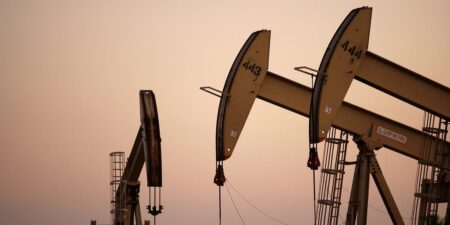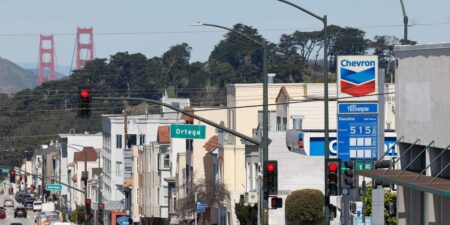





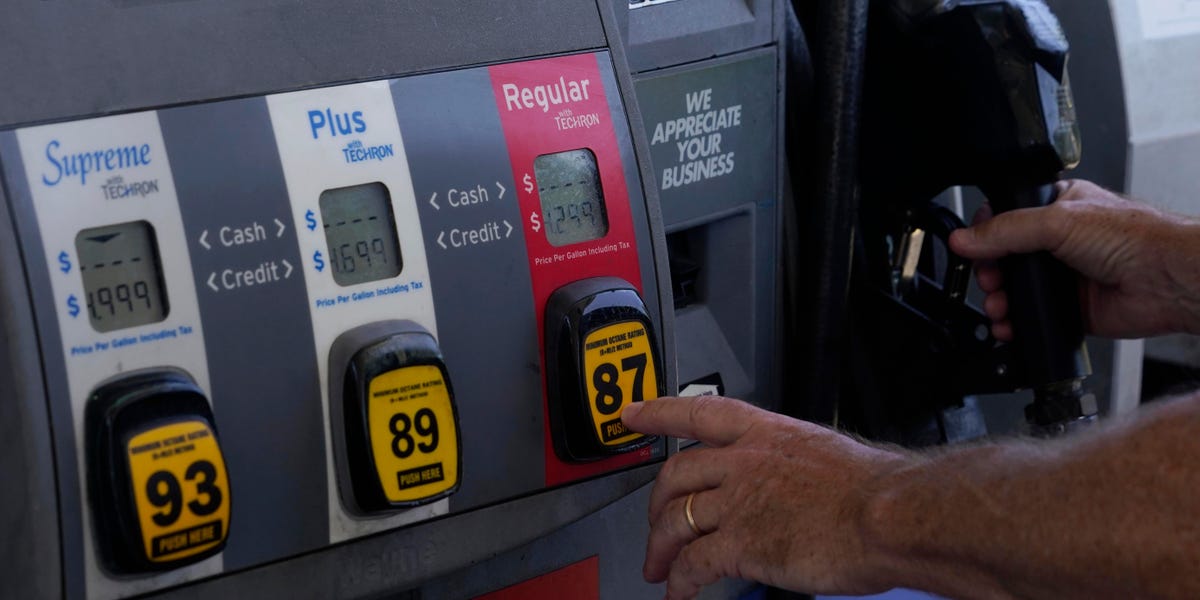
Oil prices have surged to their highest levels in nearly four years as energy disruptions linked to the Iran war continue to shake global markets. Brent crude oil climbed above $100 per barrel on Sunday night and maintained its upward trajectory through Monday, reaching levels not seen since shortly after Russia’s invasion of Ukraine in 2022. Bank of America analysts have warned that persistent oil price spikes could threaten inflation outlooks and trigger broader economic impacts.
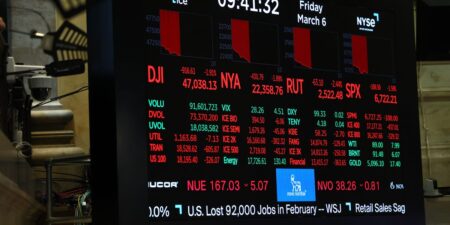
The spike in crude oil prices has already sent shockwaves through financial markets, with stocks experiencing significant sell-offs and Wall Street analysts raising concerns about potential stagflation. According to Bank of America, the duration of the price increase will be the critical factor in determining whether this oil shock leads to lasting economic damage.
Duration of Oil Price Spikes Determines Economic Impact
Bank of America’s analysis of historical oil price movements reveals a crucial pattern for investors and policymakers to consider. The bank’s research examined the relationship between crude oil prices and US inflation as measured by personal consumption expenditures, the Federal Reserve’s preferred inflation gauge. Their findings suggest that short-term price jumps have minimal lasting effects on the economy.
“While market and survey-based inflation expectations can be sensitive to oil at high frequency, history suggests only marked and persistent spikes in the price of crude trigger persistent inflationary cycles,” BofA analysts wrote in their report. The analysts emphasized that duration risk increases the longer critical infrastructure like the Strait of Hormuz remains disrupted by the conflict.
Historical Data Shows Pattern in Energy Price Shocks
The bank’s examination of past economic crises revealed correlations between oil price movements and inflation during events such as the 2008 financial downturn and the COVID-era economic slump. However, analysts noted that not all price increases resulted in sustained inflationary pressure. Only large and persistent spikes in oil prices, typically traceable to supply shocks, appear to be leading indicators for persistent increases in inflation, according to the research.
Additionally, Bank of America identified three key risks stemming from elevated energy prices that could amplify economic damage. The first concern involves potential weakness in high-income consumer spending if stock market sell-offs intensify. The current K-shaped economic recovery has been largely sustained by robust spending from high earners who have benefited from near-record equity values and the resulting wealth effect.
Lower-Income Households Face Greater Vulnerability
Meanwhile, the second risk highlighted by analysts focuses on lower-income households, who face greater exposure to oil shocks. Higher energy prices could translate into rising credit delinquencies as these consumers struggle with increased costs at the pump and for heating. This demographic typically spends a larger proportion of their income on energy-related expenses, making them particularly vulnerable to sustained price increases.
In contrast to concerns about consumer spending, Bank of America also flagged artificial intelligence capital expenditure bottlenecks as a third major risk. Delayed investment due to high energy prices could create headwinds for GDP growth this year, according to the analysts. The energy-intensive nature of AI infrastructure makes this sector particularly sensitive to power costs.
Recession Risk Looms With Sustained Price Increases
The severity of economic impact depends heavily on how high prices climb and how long they remain elevated. Bank of America analysts estimated that a sustained period of oil prices above $100 per barrel—representing approximately a 60% increase—would likely subtract more than 60 basis points from GDP growth. However, they acknowledged the difficulty in assessing precisely how large and persistent the oil price shock would need to be for these effects to materialize.
Furthermore, the analysts suggested that a doubling in oil prices, while currently seeming unlikely, could potentially cause a recession. Such a scenario would create severe strain across multiple sectors of the economy and could overwhelm the resilience shown by consumers in recent years.
The trajectory of oil markets remains uncertain as the Iran conflict continues, with market observers closely monitoring developments in the Strait of Hormuz and potential supply disruptions. Authorities have not confirmed when normal shipping routes might resume or whether additional production capacity can offset current shortages.