




US stock markets tumbled on Thursday as oil prices surged following reports that Iran attacked a crude tanker, intensifying concerns about supply disruptions and renewed inflationary pressures. The Dow Jones Industrial Average closed nearly 800 points lower, while the S&P 500 and Nasdaq Composite also posted sharp declines as investors grappled with the escalating Middle East conflict.
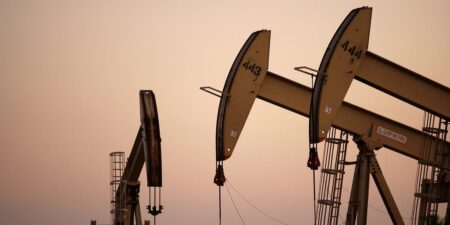
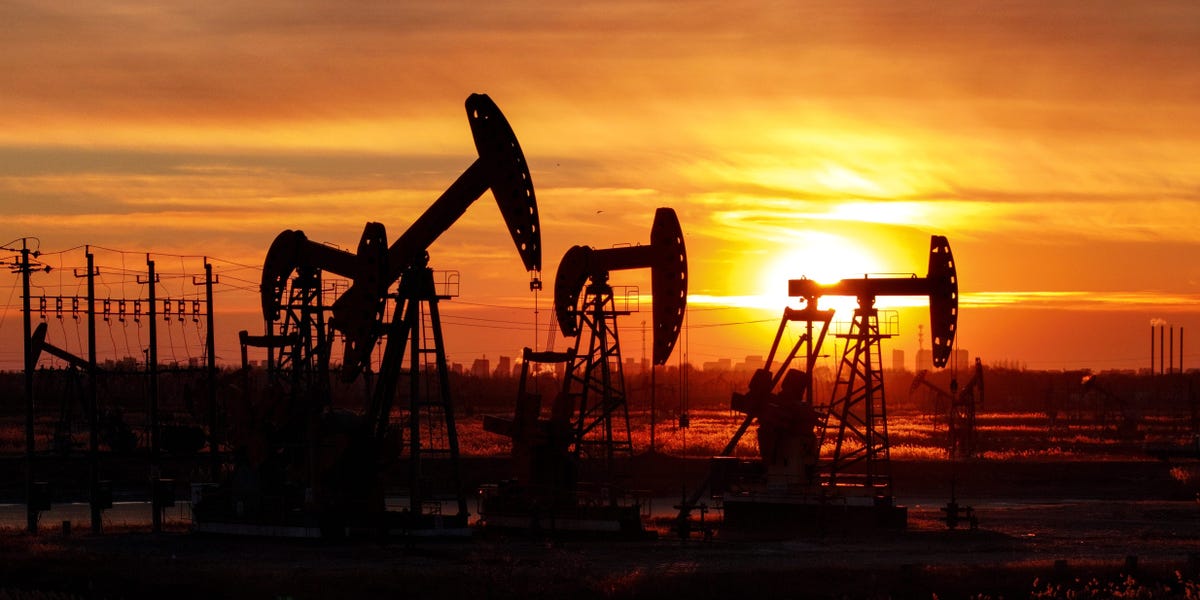
West Texas Intermediate crude oil prices jumped as much as 7% to close above $80 per barrel, according to market data. Meanwhile, Brent crude, the international benchmark, spiked 4% to reach $84.74 as geopolitical tensions mounted in a region critical to global energy supplies.
Oil Price Volatility Rattles Investors
The renewed surge in oil prices comes after a brief stabilization earlier in the week. Thursday’s escalation has reignited fears about a potential energy shock that could derail the economic recovery and complicate the Federal Reserve’s monetary policy decisions.
Market participants are particularly concerned about the knock-on effects of the US-Iran conflict, with no immediate resolution in sight. The worst-case scenario involves oil prices spiraling upward and causing inflation to become unanchored, reminiscent of the stagflationary period of the 1970s.
Economic Impact and Inflation Concerns
However, some analysts believe the impact may be contained if tensions ease. Michael Saunders, a senior economic advisor at Oxford Economics, wrote in a note on Thursday that the shock to energy prices will likely be “relatively short-lived,” though he cautioned that a prolonged Middle East conflict could trigger more severe inflationary consequences.
Additionally, economists are factoring the Iran war into existing concerns about elevated inflation and tepid fourth-quarter GDP growth. Worries about a stagflationary episode have emerged this week as the dual threats of rising prices and slowing economic activity converge.
“It’s simple at this point: the more crude oil rises, the bigger a headwind it will be for equities,” Paul Hickey, co-founder of Bespoke Investment Group, wrote in a client note on Thursday. His assessment underscores the direct relationship between energy costs and stock market performance.
Federal Reserve Rate Cut Expectations Under Pressure
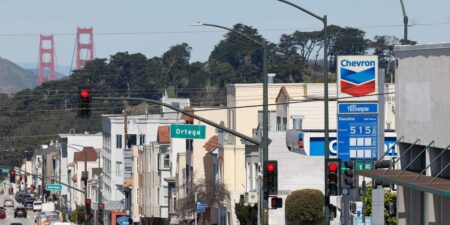
In contrast to earlier optimism, hotter inflation could derail the market’s outlook for Fed rate cuts, a key catalyst investors had been counting on to sustain the bull market. The recent climb in US Treasury yields reflects the market’s shifting expectations for interest rates, with the 10-year Treasury yield jumping another four basis points.
Furthermore, economists at BMO noted that the “Iran conflict has the potential to complicate the inflation situation in the coming months and could throw some sand in the easing gears,” though they acknowledged the situation remains fluid and could change.
Market Reaction Beyond Energy Stocks
Despite the broader market sell-off, shares of Berkshire Hathaway gained ground after the company announced renewed stock buybacks. CEO Greg Abel, who assumed leadership from Warren Buffett earlier this year, personally purchased $15 million in Berkshire shares, signaling confidence in the company’s prospects.
Meanwhile, some sectors showed resilience. Earlier optimism about artificial intelligence technology persisted after Broadcom reported robust first-quarter revenue growth, though this positive sentiment was ultimately overwhelmed by energy-related concerns.
Strategic Considerations and De-escalation Incentives
Strategists at SocGen suggested in a client note on Tuesday that both sides still have incentives to de-escalate tensions. Higher oil prices may currently benefit Iran, given US fuel-price sensitivity ahead of driving season in a mid-term election year, but sustained elevated prices are politically costly for the United States and economically damaging for Iran.
The duration and intensity of the Middle East conflict will determine whether oil price increases remain temporary or evolve into a sustained supply shock. Authorities have not confirmed specific timelines for diplomatic resolutions, leaving markets in a state of heightened uncertainty as investors monitor developments closely for signs of either escalation or de-escalation.