

JPMorgan’s former quantitative chief is warning investors that the TACO trade cannot shield markets from the economic fallout of the Iran war. Marko Kolanovic said the Trump Always Chickens Out phenomenon, which has previously saved Wall Street from policy-induced volatility, won’t work this time as geopolitical forces spiral beyond presidential control.
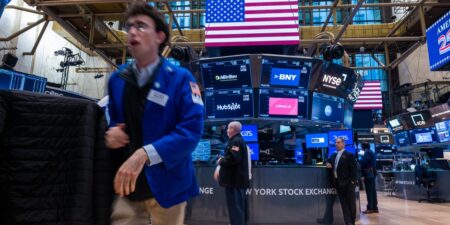
The market strategist made the comments on Thursday as oil prices surged and US stocks plummeted amid escalating conflict in the Middle East. According to Kolanovic, unlike tariff decisions that Trump can reverse instantly, the Iran war involves processes that cannot be undone with a single tweet or policy reversal.
TACO Trade Proves Ineffective Against Iran War Fallout
The TACO trade describes Wall Street’s relief rally pattern when President Trump backs away from aggressive policy positions. This phenomenon has rescued markets multiple times during Trump’s second term, offering investors a predictable buy-the-dip opportunity when political tensions ease.
However, Kolanovic emphasized that the current situation differs fundamentally from previous episodes. “You can’t reverse damage to global energy infrastructure or appoint new Iran president by a tweet,” he stated on social media.
Oil Price Surge Threatens Economic Stability
Oil prices continued climbing Thursday despite Trump’s pledge to keep the Strait of Hormuz open for maritime trade. The United Kingdom Maritime Trade Operations reported an attack on an oil tanker in the northern Persian Gulf Wednesday, highlighting ongoing threats to global energy supplies.
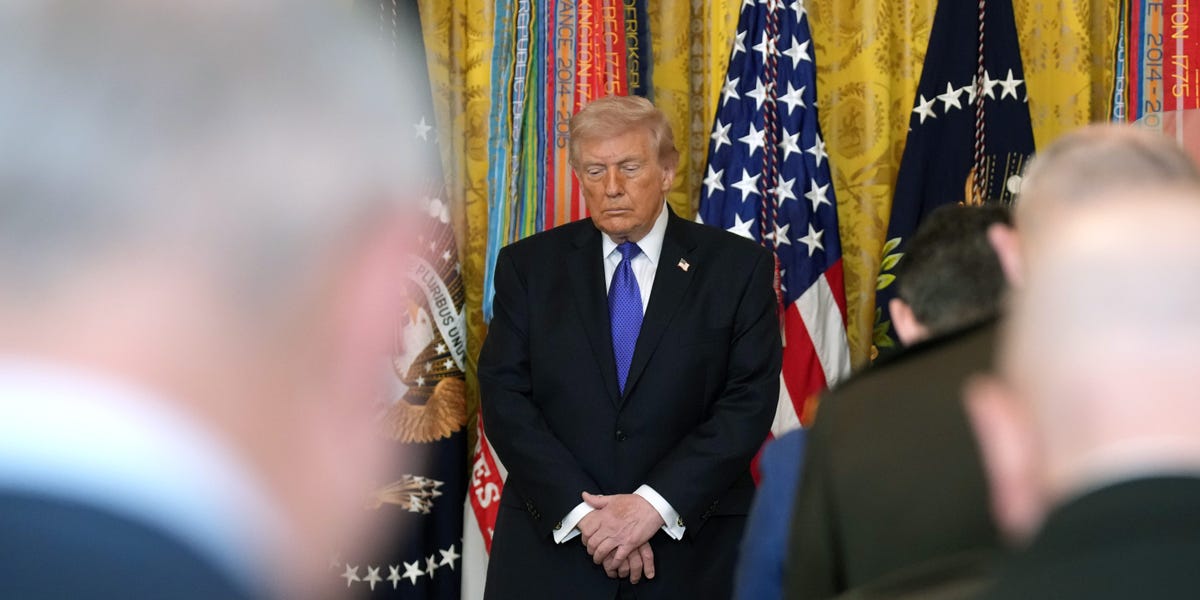
Additionally, Trump told Axios he wants personal involvement in selecting Iran’s next leader, similar to his approach with Venezuela. Market experts expressed skepticism that presidential assurances alone can stabilize the volatile region.
Goldman Sachs Warns of Economic Headwinds
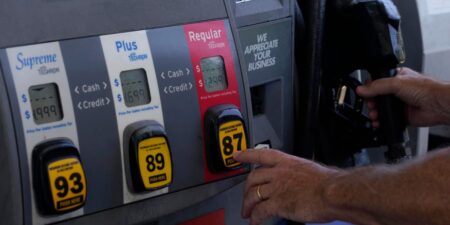
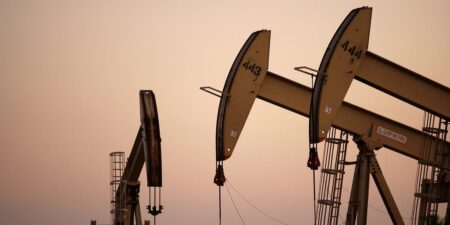
Goldman Sachs analysts raised their oil price forecasts due to supply disruptions tied to the Iran conflict. The investment bank warned that crude prices around $80 per barrel will begin damaging the global economy through higher inflation and slower growth.
Meanwhile, concerns are mounting about prolonged energy market instability. Unlike policy reversals on tariffs or domestic issues, the geopolitical crisis involves multiple stakeholders and damaged infrastructure that requires substantial time to repair.
Market participants are now watching for concrete developments in the Middle East conflict and actual supply disruption data rather than relying on the TACO trade pattern. The timeline for resolution remains highly uncertain as military operations continue and diplomatic efforts struggle to gain traction.