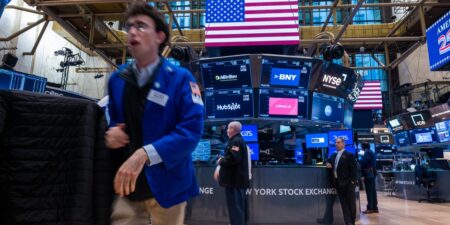

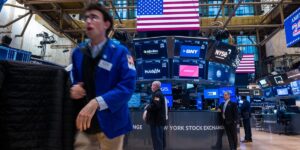


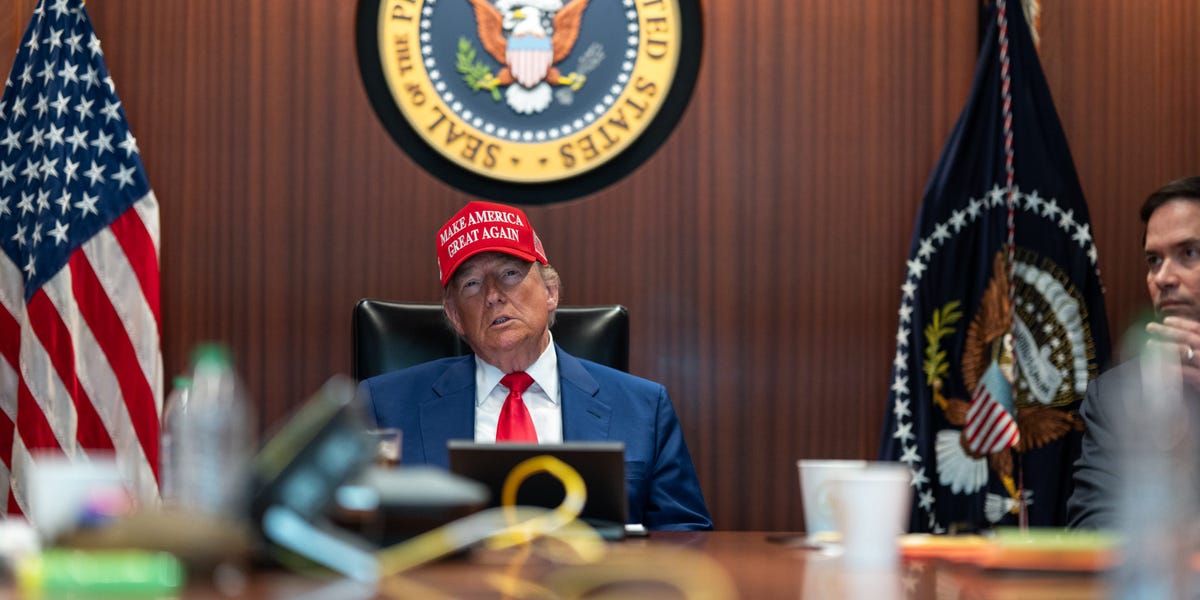
Stock market volatility has intensified this week following military strikes on Iran by the United States and Israel, prompting analysts to question how much pain President Donald Trump would tolerate before changing course. According to a leading geopolitical strategist, the stock market correction threshold that could force Trump to reconsider his Iran policy stands at a specific benchmark that investors are now watching closely.
Marko Papic, chief strategist at BCA Research and a geopolitical expert, stated in a Wednesday note to clients that the S&P 500 would need to decline by more than 10% to practically guarantee a policy shift from the Trump administration. While Papic acknowledged the threshold could occur earlier or later, he emphasized that a double-digit stock price decline would serve as a significant motivator for de-escalation.
Iran Conflict Threatens Stock Market Stability
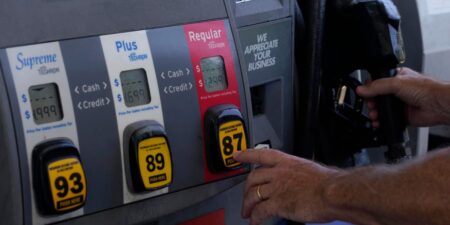
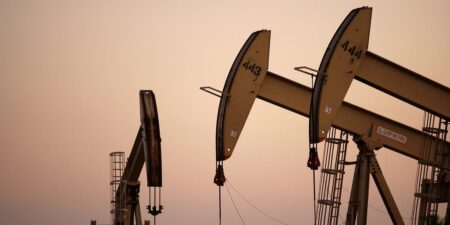
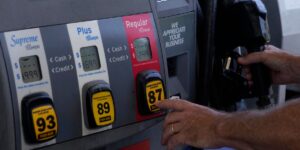
The military conflict has rattled investors primarily due to concerns about oil prices and global supply chains. Iran controls the Strait of Hormuz, a critical waterway responsible for handling approximately 20% of the world’s oil flows. Disruptions to shipping through this strategic passage threaten to drive oil prices substantially higher, which could fuel inflation and keep interest rates elevated for an extended period.
However, Trump attempted to calm markets on Tuesday by announcing that the United States would ensure the safe passage of ships through the Strait of Hormuz. This assurance provided temporary relief to investors, with stocks rising and oil prices dropping for the first time since military operations began last Saturday.
Iran May Not Accept De-escalation
Despite Trump’s apparent willingness to prevent further economic disruption, Papic cautioned that Iran might not be interested in a truce. The strategist noted that US strikes have killed Supreme Leader Ayatollah Ali Khamenei and other high-level officials, placing the Iranian regime under unprecedented pressure. This escalation makes the current situation fundamentally different from previous conflicts.
Additionally, Papic expressed surprise at how unprepared investors and media appeared for Iran’s retaliation against Gulf monarchies and global energy infrastructure. He argued that the median investor fails to understand the extreme pressure Tehran currently faces, which could drive more aggressive responses.
“This time around, Iran must impose pain on the US and the wider global economy in a rational, game-theoretical sense,” Papic wrote. He explained that inflicting economic pain represents Iran’s only viable strategy to ensure that American decision-making accounts for the consequences of threatening the regime’s stability.
Previous Stock Market Correction Predictions
This is not the first instance where Papic has predicted that market pressure could influence Trump’s policy decisions. In March of last year, he told Business Insider that Trump would abandon his trade war if the S&P 500 fell between 15% and 20%. That prediction proved remarkably accurate when Trump announced a pause to his tariffs in April, just as the index had declined 19% from its February highs and Treasury yields had spiked.
Meanwhile, the current geopolitical crisis presents unique challenges that extend beyond trade policy. The direct military confrontation with Iran carries broader implications for global energy markets, regional stability, and international relations. These factors compound the uncertainty facing investors as they assess potential downside risks.
Market Outlook Remains Uncertain
In contrast to the trade war scenario, the Iran conflict involves multiple variables beyond Trump’s direct control. Even if the president seeks to de-escalate tensions to protect stock market performance, Iran’s response remains unpredictable given the existential threat its leadership now faces.
The coming days will reveal whether markets continue their volatile trajectory and whether the 10% correction threshold identified by Papic materializes. Authorities have not confirmed any timeline for potential diplomatic negotiations or military de-escalation, leaving investors to navigate continued uncertainty in both equity and energy markets.