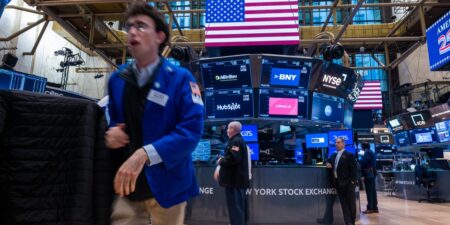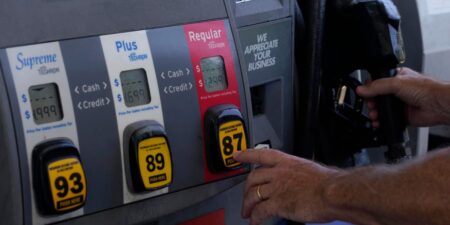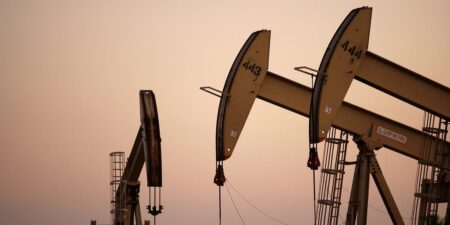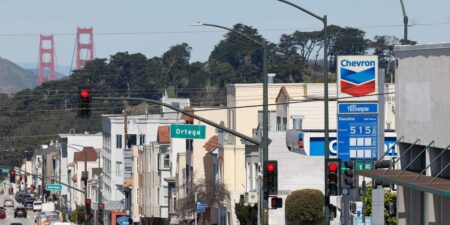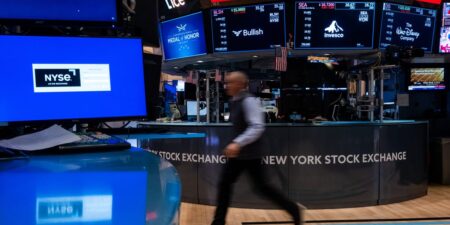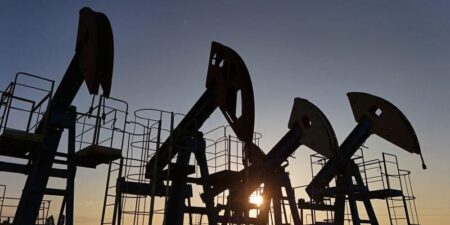



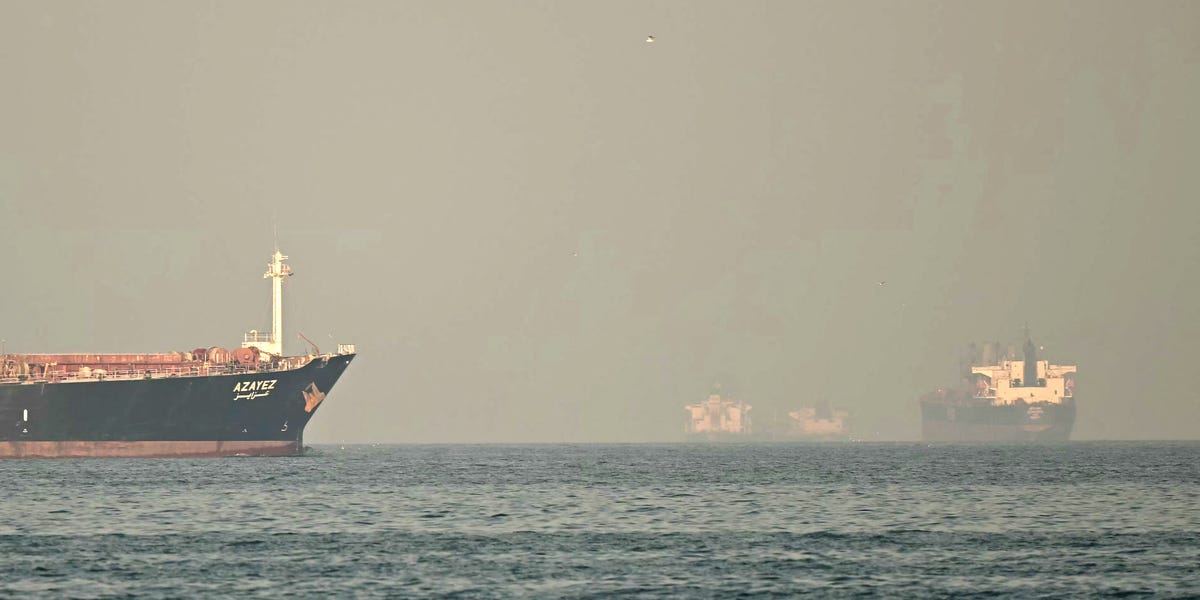
Oil prices stabilized and US stock markets edged higher on Wednesday following President Donald Trump’s commitment to maintain oil flows through the Strait of Hormuz amid ongoing conflict with Iran. Trump pledged that the United States would ensure free passage through the critical waterway, but market experts warn that additional concrete measures may be necessary to prevent significant disruptions to global energy markets.
The escalating conflict sent oil prices to their highest levels in over a year this week, prompting investor concerns about potential energy supply interruptions. Trump announced that the US Navy would escort oil tankers through the Persian Gulf and directed the United States Development Finance Corporation to provide political risk insurance for maritime trade in the region, according to a Truth Social post made before Tuesday’s market close.
Trump’s Pledge to Keep Oil Flowing Offers Limited Relief
US Treasury Secretary Scott Bessent told CNBC that Trump’s announcement initiated a series of forthcoming policy statements related to safeguarding oil transport in the Persian Gulf. The president emphasized his commitment by posting that “No matter what, the United States will ensure the FREE FLOW of ENERGY to the WORLD.”
However, market reaction remained cautious. Oil prices declined modestly on Wednesday, with Brent crude edging lower to $81.30 per barrel and US crude slipping to $74.50, marking the first decrease since the conflict began.
Market Strategists Call for Stronger Assurances
Wall Street analysts expressed skepticism about whether Trump’s promises alone would be sufficient to restore stability. Chris Grisanti, chief market strategist at MAI Capital Management, told Business Insider that while the initiative moves in the right direction, “more assurance will be needed — and will be provided — and all eyes will certainly be on the first few ships that traverse the Strait.”
Mark Malek, chief investment officer of Siebert Financial, noted that Trump’s announcement provided only a psychological boost. “The true signal remains—crude has now factored in the assurance and remains higher than where it was before the conflict began,” Malek said, adding that meaningful progress requires a visible timeline for a ceasefire.
Additionally, Simon Lack, portfolio manager at Catalyst Energy Infrastructure Fund, emphasized that “a truce is really what’s needed to restore energy supplies.” The sentiment reflects broader industry concerns that military escorts and insurance guarantees address symptoms rather than underlying risks.
Goldman Sachs Raises Oil Price Forecast
Goldman Sachs elevated its second-quarter average oil price forecast to $76 per barrel from $66 on Wednesday. The investment bank projected that Brent crude would trade in the $80s throughout March as markets process mixed signals regarding potential recovery in Strait of Hormuz flows.
Meanwhile, the analysts noted growing evidence of production cuts that could offset any relief from resumed shipping. Their revised projections underscore the critical importance of the Strait of Hormuz, through which approximately one-fifth of global oil supplies pass daily.
Shipping Industry Remains Cautious About Implementation
Stamatis Tsantanis, CEO of global shipping companies Seanergy Maritime and United Maritime, told Business Insider that the maritime industry requires more concrete demonstrations of safety before confidence returns. “The US commitment to support shipping through naval escorts and insurance backing is a welcome step, but many industry insiders remain cautious,” Tsantanis said.
In contrast to financial market concerns, shipping operators prioritize crew safety and vessel protection. “The priority for the industry is not just moving cargo, but protecting the lives of seafarers, the value of vessels, and avoiding what could become a major environmental disaster if a tanker were seriously hit in such a narrow and sensitive waterway,” Tsantanis explained.
Prominent economist Mohamed El-Erian raised similar concerns on social media, questioning whether ship operators would willingly navigate the strait despite government assurances. “While it helps with the ABILITY to navigate the Strait, there remains the question of ship owners’/operators’ WILLINGNESS to do so,” El-Erian wrote.
The effectiveness of Trump’s commitment to maintaining oil flows through the Strait of Hormuz will likely become evident in coming weeks as the first escorted vessels attempt passage. Industry observers and market participants await additional policy details and concrete demonstrations of maritime security before determining whether current measures sufficiently address energy supply disruption risks.