




Global markets experienced significant volatility on Tuesday as escalating tensions between Iran and the United States and its allies continued to impact trading. Stocks fell sharply before recovering some losses, while energy prices surged and bond yields climbed for the second consecutive day. The market turbulence followed recent military conflicts in the Middle East that raised concerns about oil supply disruptions and potential inflationary pressures.
President Donald Trump’s announcement that the US would escort oil tankers through the Strait of Hormuz helped stabilize markets after dramatic early losses. The Strait of Hormuz handles approximately 20% of global oil flows, making it a critical chokepoint for energy markets. Following Trump’s comments, stocks trimmed their declines and oil prices pulled back from session highs.
Stock Market Volatility Rattles Investors
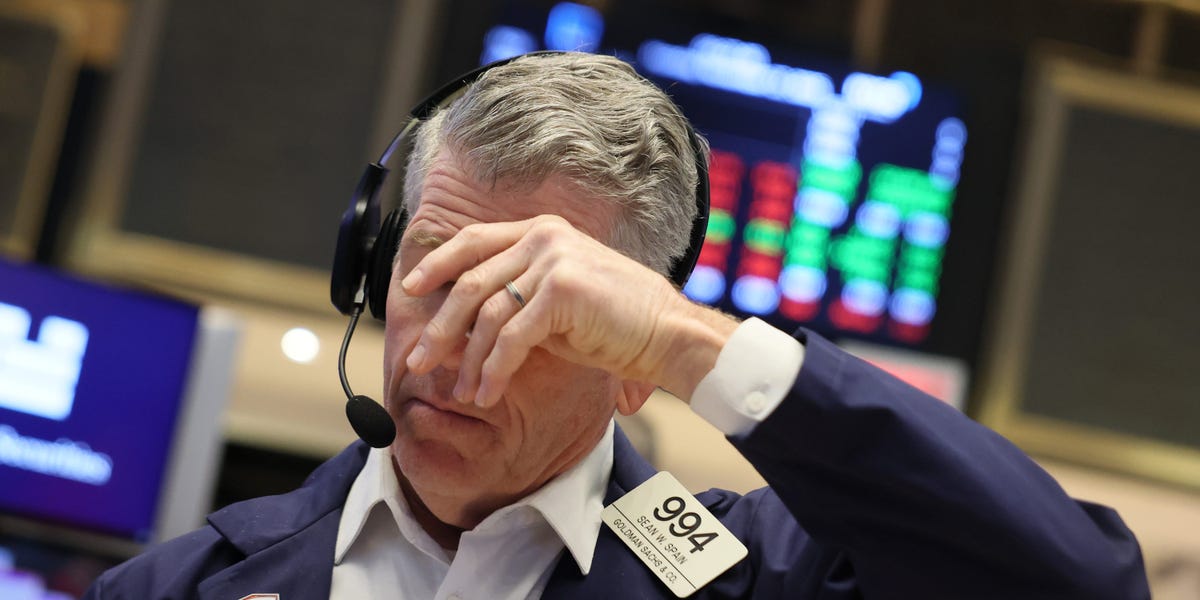
US stock trading exhibited extreme volatility throughout the session, with the Dow Jones Industrial Average dropping as much as 1,200 points before recovering most of that loss. The S&P 500 closed down 0.94% at 6,816.63, while the Dow finished lower by 403.51 points, or 0.83%, at 48,501.27. The Nasdaq Composite declined 1% to close at 22,516.69.
Uncertainty about the conflict’s duration weighed on investor sentiment. According to reports, Trump indicated the war could last up to five weeks but potentially continue far longer. Additionally, traders remained concerned about the uncertain timelines provided by the administration regarding the military engagement.
International markets also suffered significant losses amid the geopolitical tensions. Hong Kong’s Hang Seng index closed 1% lower, while South Korea’s KOSPI plummeted 7%, marking its sharpest one-day decline in 19 months. Meanwhile, European markets experienced steep losses, with Germany’s DAX trading 3.5% lower and Britain’s FTSE 100 and France’s CAC 40 both down approximately 3%.
Energy Prices Surge on Supply Concerns
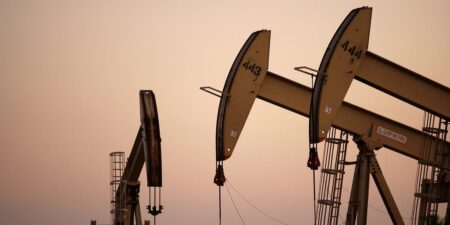
Crude oil prices rose substantially before moderating later in the trading session. Brent crude and West Texas Intermediate increased 2% and 4% respectively, reaching around $78 and $74 per barrel. However, both benchmarks had climbed as much as 7% earlier in the day before Trump’s announcement about US Navy escorts.
The energy market reaction extended beyond crude oil to other commodities. European natural gas futures experienced one of the most dramatic moves, with Dutch TTF benchmark prices surging 42% to over 60 euros per megawatt-hour. The spike occurred after Qatar suspended production at the world’s largest liquefied natural gas export plant following an Iranian drone strike, according to industry reports.
Qatar accounts for approximately 20% of global LNG supply, making the production halt particularly significant for energy markets. Analysts warned that sustained elevated prices for oil and natural gas could trigger meaningful inflationary impacts. In contrast to temporary spikes, prolonged energy price increases could force central banks to maintain higher interest rates, which typically creates headwinds for equity markets.
Deutsche Bank researchers noted that the S&P 500 has historically fallen more than 15% during oil shocks only when specific conditions occur. These include oil price spikes of 50% to 100% lasting several months, significant economic slowdowns, or hawkish central bank responses to combat inflation. According to the research note, the critical question facing markets in coming days will be whether any of these conditions materialize.
Bond Market Reflects Inflation Concerns
Treasury yields spiked for a second consecutive day, diverging from typical safe-haven behavior during periods of geopolitical uncertainty. Markets appeared to focus more on potential inflationary pressures from elevated energy prices rather than seeking the traditional safety of US government debt. However, yields also retreated following Trump’s comments about escorting oil tankers.
The 10-year Treasury yield ended approximately one basis point higher at 4.06% after reaching as high as 4.1% earlier in the session. The unusual movement in bond yields reflected investor concerns that the Federal Reserve might need to maintain elevated interest rates to control inflation if energy prices remain high for an extended period.
Market participants will continue monitoring developments in the Middle East conflict and any further government responses that could impact oil supply routes. The duration and intensity of the military engagement remain uncertain, leaving investors to assess potential economic implications in the days ahead.