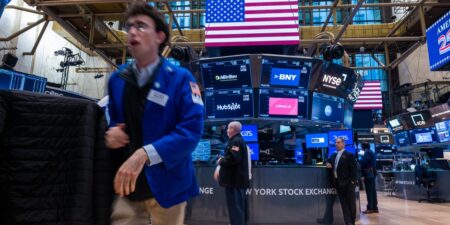





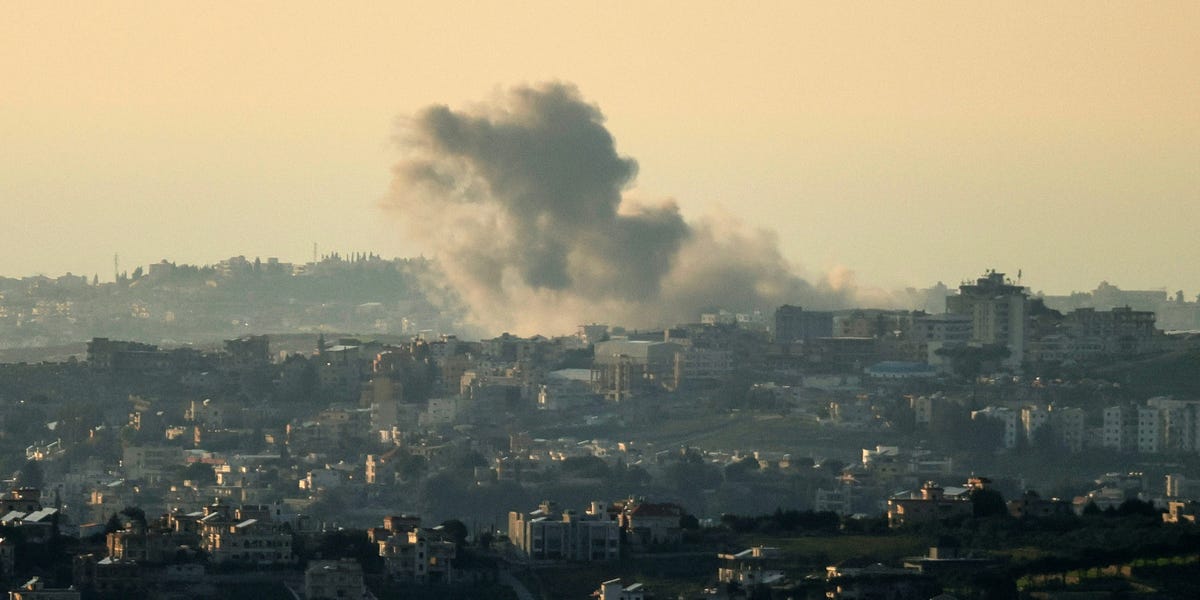
Financial markets continue to assess the economic implications of the US-Iran conflict, with top Wall Street analysts warning about potential spillover effects on inflation and growth. The conflict entered its third day on Monday, triggering sharp movements in oil prices, equities, and safe-haven assets like gold as investors weighed the risks to the global economy.
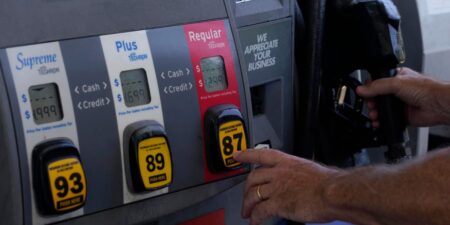
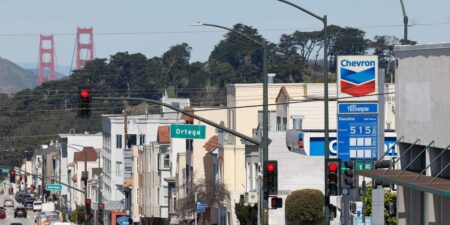
Leading economists and market strategists are closely monitoring whether the Middle East conflict will escalate further and disrupt energy supplies. Oil prices rose approximately five dollars per barrel in immediate reaction to the strikes, while US stock indices initially declined before showing signs of differentiation across sectors.
Economic Risks from the US-Iran Conflict
Nobel Prize-winning economist Paul Krugman drew comparisons to the 1979 Iranian revolution, which triggered an energy crisis in the United States. According to Krugman, today’s stock market appears significantly more vulnerable to geopolitical shocks than it did during that period, resembling what he characterized as bubble-like conditions in asset prices.
Additionally, Krugman expressed concerns about the fragile financial system, particularly highlighting risks associated with the private credit bubble. He noted that the Iran war could potentially trigger a broader financial crisis, though he acknowledged uncertainty around such outcomes.
The economist also pointed to Dubai’s role as an important node in the global financial system. He suggested that any disruption to the region beyond oil exports could pose additional risks to the world economy, given the city’s significance to international finance and wealthy investors.
Stagflation Concerns and Market Reactions
Mark Zandi, chief economist at Moody’s Analytics, acknowledged that while initial market reactions have been relatively muted, the outlook remains cautious. According to his assessment, higher oil prices will weigh on economic growth while simultaneously pushing inflation higher, creating no economic upside from the conflict.
However, Zandi indicated that if market conditions stabilize near Monday’s levels, the overall fallout could remain limited. He predicted negative but minor consequences for the US-Iran conflict impact on the economy, provided oil price increases don’t exceed the initial market reaction.
Meanwhile, Mohamed El-Erian, former co-chief investment officer at PIMCO, observed a shift in how markets are responding to geopolitical shocks. The leading economist noted that after classic immediate reactions, markets began differentiating across segments based mainly on fundamentals rather than panic selling.
El-Erian warned that the global economy may be approaching a stagflationary phase driven primarily by rising geopolitical tensions. Nevertheless, he maintained that the ultimate impact depends on the duration and escalation level of the conflict in the Middle East.
Contrarian View on Market Impact
In contrast to more bearish assessments, Steve Eisman, the investor immortalized in “The Big Short,” expressed minimal concern about long-term market impacts. During a CNBC appearance, Eisman stated he wouldn’t change any of his recent trades due to the conflict with Iran.
According to Eisman, while oil prices have obviously risen because of recent events, he expects all prices to return to previous levels within two months if the situation resolves favorably. He characterized his outlook as cautiously optimistic despite near-term volatility.
Market participants will continue monitoring developments in the Middle East for signs of escalation or de-escalation. The trajectory of oil prices and any potential disruptions to energy infrastructure remain key variables that could determine whether economic impacts from the US-Iran conflict remain contained or expand into broader inflationary pressures and growth headwinds.