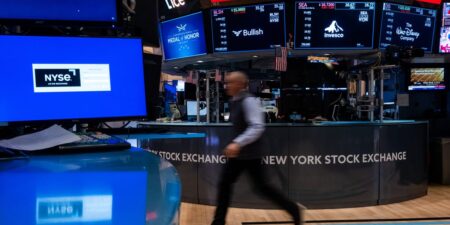






Global financial markets experienced significant volatility following coordinated military strikes against Iran by the United States and Israel over the weekend. The attacks, which reportedly killed Iran’s Supreme Leader Ali Khamenei, triggered a flight to safety among investors and sent key asset classes in sharply different directions. According to early Monday trading data, the Dow Jones Industrial Average dropped 500 points as uncertainty gripped Wall Street.
Market participants are closely monitoring developments in the strategically vital Strait of Hormuz, which handles approximately 20% of global oil shipments. The potential for retaliatory action and escalating regional conflict has created distinct winners and losers across various sectors, with energy and defense stocks rallying while travel-related equities tumbled.
Energy Stocks Surge on Oil Price Gains
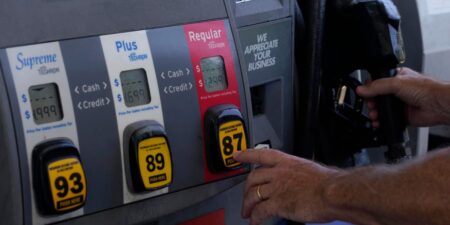
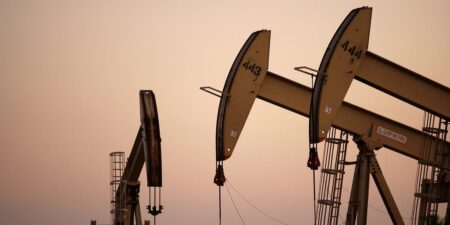
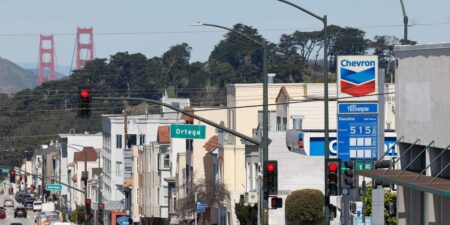
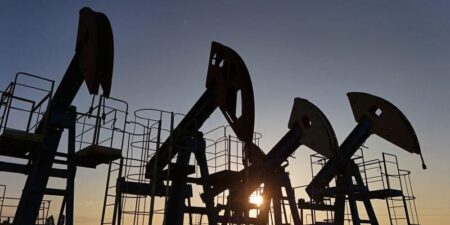
Energy stocks emerged as the primary beneficiaries of the geopolitical tensions as crude oil prices jumped sharply. Brent crude, the international benchmark, surged 7% Monday morning to reach $77 per barrel, marking its highest level in approximately eight months. The price spike reflected immediate concerns about potential supply disruptions from the Middle East.
Additionally, oil sector equities posted strong gains across the board as investors anticipated sustained higher prices. The rally in crude oil prices directly benefited exploration and production companies, with the energy sector outperforming broader market indices during early trading sessions.
Defense Contractors Benefit from Conflict Concerns
Defense stocks also climbed as markets priced in the likelihood of extended military operations in the region. The iShares US Aerospace & Defense ETF rose 2% as investors repositioned portfolios toward companies expected to benefit from increased defense spending. However, the gains remained modest compared to historical responses to geopolitical crises.
Meanwhile, analysts suggested that defense contractors could see sustained demand if tensions continue to escalate. The potential for broader regional involvement has raised expectations for additional military procurement and support contracts in the coming months.
Safe-Haven Assets Attract Investment Flows
Gold prices climbed 2% to trade at approximately $5,351 per ounce as investors sought traditional safe-haven assets amid the uncertainty. The precious metal has benefited from geopolitical strife throughout the past year, with analysts now projecting potential moves toward $6,000 per ounce in the months ahead. In contrast to risk assets, gold’s appeal as a store of value during periods of instability drove significant inflows.
Furthermore, commentators noted that the current conflict could extend the bull market in precious metals that has characterized recent trading. The combination of geopolitical risk and concerns about potential inflation from higher energy prices has reinforced gold’s investment case.
Travel Sector Faces Widespread Disruption
Travel stocks bore the brunt of the market selloff as air traffic disruptions spread across the Middle East and surrounding regions. Global airline stocks tumbled, with the US Global Jets ETF falling nearly 4% in early Monday trading. According to industry reports, numerous carriers suspended or rerouted flights to avoid the conflict zone.
Additionally, cruise stocks declined sharply amid mounting uncertainty about tourism safety in the Middle East. Dubai, one of the world’s premier luxury tourism destinations, experienced direct impacts from the weekend attacks when Iran retaliated against regional US allies. Hotel stocks similarly weakened as the outlook for global tourism deteriorated, with particular concerns focused on travel to and through the Middle East region.
Authorities have not confirmed the full extent of operational disruptions across the travel sector. Nevertheless, industry observers expect cancellations and route changes to continue while the security situation remains fluid.
Markets will continue monitoring developments in the Strait of Hormuz and any potential Iranian response to the strikes. The extent and duration of the current volatility in global markets will largely depend on whether tensions escalate further or diplomatic efforts succeed in containing the conflict.