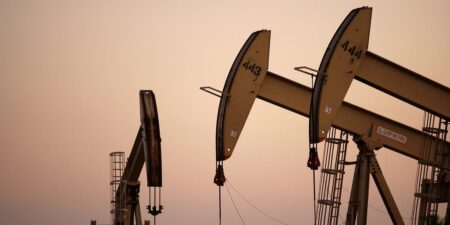






Oil prices surged approximately 7% following US and Israeli military strikes on Iran, raising concerns among market analysts about potential negative impacts on the global economy if energy prices remain elevated. Brent crude oil experienced sharp gains as investors reacted to escalating tensions in the Middle East, with the conflict threatening critical energy supply routes and broader market stability.
According to reports, the military operations resulted in significant casualties among Iranian leadership, prompting retaliatory missile strikes from Iran against US bases and allied targets in the region. Stock markets initially declined before recovering later in the trading session, with the S&P 500 and Nasdaq reversing earlier losses of about 1%.
Impact on Oil Prices and Energy Markets
Goldman Sachs analysts identified energy market disruptions as the primary channel through which the Iran conflict will affect global economic conditions. The potential for supply chain interruptions, particularly through the strategically important Strait of Hormuz, has amplified concerns about sustained oil price increases.
However, the ultimate impact depends on how long hostilities continue and the extent of actual disruptions to oil production and transportation networks. Energy producers are positioned to benefit from higher crude prices, while companies dependent on fuel costs face headwinds.
Equity Market Volatility and Sector Implications
US stocks demonstrated volatile trading patterns as investors assessed the geopolitical risks. Goldman Sachs noted that markets typically raise risk premiums during periods of heightened uncertainty, creating net negative conditions for equities and credit markets.
Additionally, cyclical sectors face particular vulnerability, especially consumer-facing industries like airlines and industrial companies that rely heavily on oil for operations. Morgan Stanley warned that crude oil prices exceeding $100 per barrel would materially challenge the firm’s bullish stock market outlook for the year.
In contrast, Jefferies analysts highlighted mining and metals companies as potential beneficiaries of the current environment. Energy sector stocks are expected to outperform as long as oil prices remain elevated.
Inflation Concerns and Federal Reserve Policy
A sustained increase in oil prices could reignite inflation pressures, complicating the Federal Reserve’s monetary policy decisions regarding interest rate cuts. William Blair analysts emphasized that wars tend to be inflationary due to increased government spending and central bank interventions.
Meanwhile, JPMorgan analysts noted that central banks often suppress short-term interest rates to support wartime government expenditures. Siebert Financial CIO Mark Malek stated that energy shocks reshape monetary policy narratives more rapidly than geopolitical headlines alone.
Furthermore, consumers may experience higher gasoline prices, which serve as a highly visible daily reminder of inflation. Freedom Capital Markets chief market strategist Jay Woods described extended periods of elevated oil prices as an unexpected tax on consumers, creating additional challenges for the Fed amid political pressure to lower rates.
Global Economic Growth and Safe Haven Assets
Economist Mohamed El-Erian characterized the Iran conflict as a negative shock to the global economy. Disruptions to supply chains and transportation routes raise the risk of stagflation affecting worldwide economic growth.
According to Goldman Sachs, the United States maintains a relatively stronger position compared to major oil-importing nations including Korea, Taiwan, Japan, Turkey, and India. These markets face greater exposure to potential supply disruptions and price shocks.
However, safe haven assets like precious metals and the US dollar are experiencing gains. Jefferies noted that the conflict strengthens the greenback and supports commodity prices, with gold extending its impressive year-to-date performance.
Market participants continue monitoring developments in the region, though authorities have not confirmed specific timelines for de-escalation or the duration of potential supply disruptions. The trajectory of oil prices and broader market impacts remains dependent on how the conflict evolves in coming weeks.