





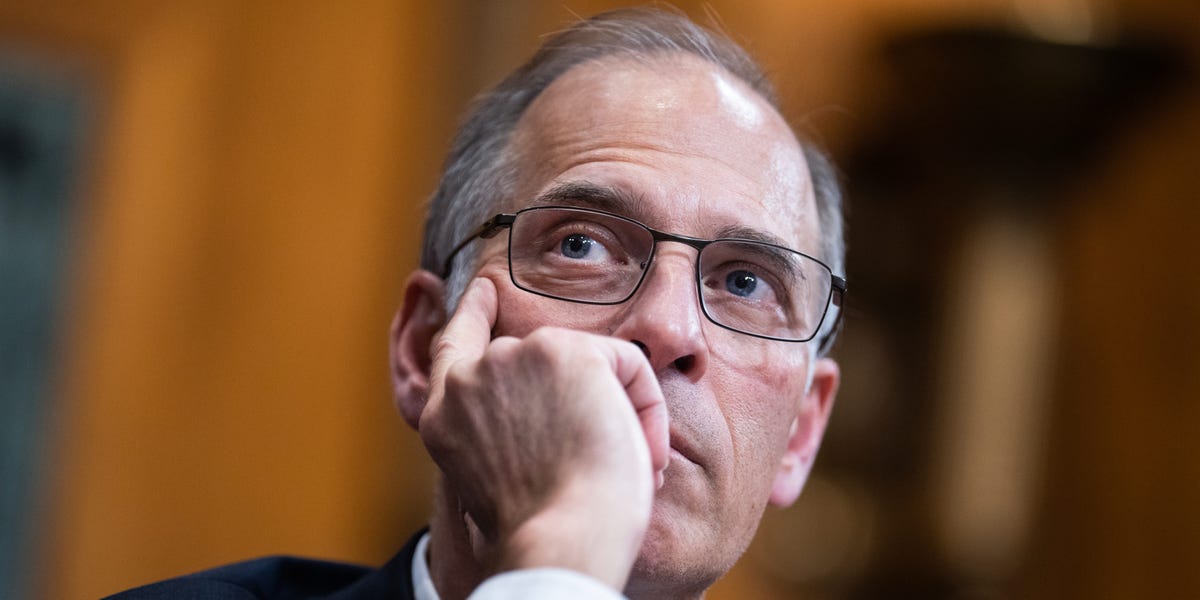
The stock market faces mounting risks that could trigger a major sell-off threatening both Wall Street and Main Street, according to Mark Zandi, chief economist at Moody’s Analytics. Zandi warned that elevated stock market valuations combined with economic vulnerabilities have created conditions ripe for a significant downturn. His concerns center on speculation-driven price increases and an economy growing below its potential, creating a dangerous disconnect between market performance and economic fundamentals.
In a recent X thread, Zandi explained that he felt compelled to issue this warning despite typically focusing on broader economic trends rather than market movements. According to the economist, current conditions represent one of those rare moments when falling asset prices could reverse causality and damage an already fragile economy.
Stock Market Valuations Driven by Speculation
Zandi pointed to inflated valuations across multiple asset classes as a primary concern. While he acknowledged that fundamental factors support some of the market strength, the economist said markets appear increasingly tainted by speculation. Investors are buying assets simply on faith that prices will continue rising because they have in the recent past, rather than based on underlying economic strength.
Additionally, the risk extends beyond traditional equities to include safe-haven assets. Gold and silver, which have benefited from elevated geopolitical uncertainty in 2025, could also face downward pressure. Zandi also included cryptocurrency in his list of vulnerable assets, suggesting the current market pullback may deepen.
Mixed Economic Signals Raise Concern
The Moody’s economist highlighted persistent weaknesses in the broader economy that contrast sharply with market exuberance. Real GDP is growing just over 2%, below the economy’s estimated potential of approximately 2.5%, according to Zandi. Employment has flat-lined while unemployment continues creeping higher, painting a picture of economic stagnation despite strong stock market valuations.
Meanwhile, inflation remains stubbornly elevated at 3% as measured by the Federal Reserve’s preferred consumer expenditure deflator. This persistent inflation combined with subdued growth creates a challenging environment for policymakers. The January jobs report exceeded expectations, but Zandi remains unconvinced it will translate into sustained economic expansion.
Treasury Market Instability Adds Risk
Another warning sign comes from the Treasury market, traditionally considered a beacon of stability in times of uncertainty. Zandi expressed concerns about institutional buyers, particularly hedge funds, that continue to support the market. If these large investors become spooked by fears of economic instability, they could exit positions simultaneously, triggering a cascade effect.
Such a scenario would send Treasury prices down and interest rates up, making borrowing more expensive across the economy. Higher rates would impact everything from mortgages to business loans, potentially strangling economic activity. However, Zandi praised the recent appointment of Kevin Warsh to lead the Federal Reserve, suggesting some confidence in monetary policy leadership.
Broader Implications for Main Street
The economist’s warning underscores how interconnected financial markets and the real economy have become. A significant market correction would not remain confined to Wall Street portfolios. Rising interest rates resulting from Treasury market disruption would directly impact households seeking mortgages and businesses requiring capital for expansion or operations.
In contrast to periods when market corrections have limited real-world impact, Zandi believes current economic vulnerabilities make the stakes particularly high. The combination of slowing employment growth, persistent inflation, and below-potential GDP expansion leaves little cushion to absorb financial market shocks.
Market participants and policymakers will be closely monitoring economic data releases in coming weeks for signs of whether Zandi’s concerns materialize. The trajectory of inflation, employment figures, and Treasury market stability will likely determine whether speculation-driven stock market valuations can be sustained or if a significant correction lies ahead.