




Wall Street investor sentiment around artificial intelligence has shifted dramatically from excitement to fear, prompting analysts to identify key catalysts that could restore confidence in AI stocks. Wedbush analyst Dan Ives has outlined several potential market-moving events that could help reverse the recent panic and reignite bullish AI sentiment among investors.
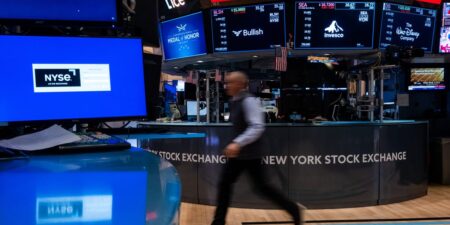
The dramatic shift in market mood occurred earlier this month when major stock sectors including software, wealth management, insurance, and logistics experienced sharp declines. According to Ives, investors are currently “fighting a ghost” as uncertainty spreads about which industry AI disruption will target next, even as capital expenditures in the sector approach $700 billion this year.
OpenAI Funding Round Could Restore AI Sentiment
One of the most significant potential catalysts is OpenAI’s reported funding round worth $100 billion, which is nearing completion according to industry sources. Ives believes securing this financing will “put the loud noise to rest” and demonstrate continued confidence in the AI sector.
The additional capital would bring the ChatGPT maker’s valuation to $850 billion. This milestone could boost investor interest in a potential initial public offering and benefit stocks connected to OpenAI’s ecosystem.
Nvidia Earnings and Jensen Huang Commentary
The AI chipmaker’s earnings report scheduled for Wednesday, February 25, represents another crucial moment for market sentiment. CEO Jensen Huang’s comments during the earnings call regarding chip demand could serve as a catalyst for renewed investor enthusiasm.
Additionally, Nvidia’s performance metrics will provide concrete data about AI infrastructure investment trends. The company’s results often set the tone for broader technology sector expectations.
Oracle Capital Raise Signals AI Infrastructure Demand
Oracle’s announcement to raise between $45 billion and $50 billion in debt and equity financing during 2026 could validate the strength of AI infrastructure demand. The financing will fund the company’s rapidly expanding cloud business, which serves major customers including AMD, Meta, Nvidia, OpenAI, TikTok, and Elon Musk’s xAI.
According to Wedbush, initial success with Oracle’s enormous capital raise would signal positive momentum for the broader AI ecosystem. However, the market will closely monitor investor appetite for such large-scale AI infrastructure investments.
Tech Earnings Demonstrating AI Monetization
Strong earnings from major technology companies showing successful AI monetization could reignite bullishness on Wall Street. Wedbush highlights Salesforce, Microsoft, and ServiceNow as key earnings reports to watch going forward.
CrowdStrike represents another company that could boost broader sentiment with strong results demonstrating AI is paying off. Ives recently highlighted cybersecurity as a technology subsector protected from AI disruption fears, making it a potential safe haven for investors.
Meanwhile, Meta and Google’s digital advertising businesses merit particular attention. The analyst explained that AI advertising monetization ramping up would serve as a positive indicator for the AI space at large.
Software Merger and Acquisition Activity
A revival in merger and acquisition activity, particularly strategic large public deals in the software sector, could help restore Wall Street’s faith in AI investments. Bank of America has identified M&A revival as one of the key investment themes to watch this year.
The software sector has been at the center of investor AI disruption fears in recent weeks. However, increased M&A activity could help reframe the market’s perception of software’s AI exposure from detrimental to strategic.
Apple’s AI-Powered Siri Launch
Apple has been viewed as an AI laggard by Wall Street, but the iPhone maker’s unveiling of AI-powered Siri could flip that narrative. The company has delayed its AI Siri release, raising the stakes for how it will leverage artificial intelligence with its massive user base.
In contrast to competitors, the release would mark a significant milestone in the consumer AI story given the iPhone’s prominence. Apple’s approach to integrating AI into its ecosystem could set new standards for consumer-facing artificial intelligence applications.
Enterprise Claude Implementation Challenges
An update to Claude initially sparked fears that AI would replace traditional software, fueling the broad technology sell-off on Wall Street. Ives suggests that if enterprise customers implementing Claude encounter scaling and security issues, it could reverse sentiment around the platform’s viability as a software replacement.
Market observers will closely monitor these potential catalysts in coming weeks, though the timing and impact of each event remains uncertain. The ultimate trajectory of AI sentiment will likely depend on whether these developments collectively demonstrate sustainable monetization and practical implementation of artificial intelligence technologies.