





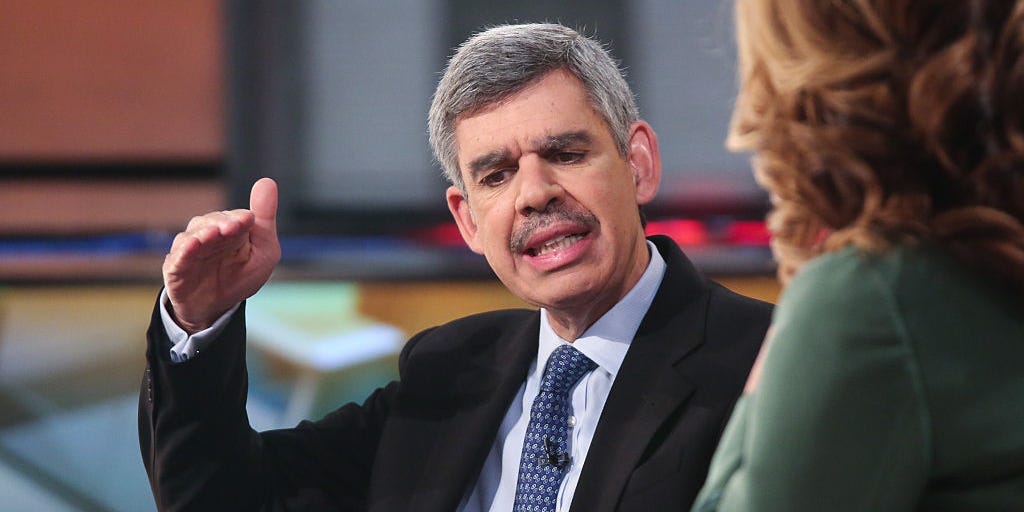
Prominent economist Mohamed El-Erian has drawn parallels between recent developments in private credit markets and warning signs that preceded the 2008 financial crisis. The former PIMCO CEO flagged concerns after Blue Owl Capital permanently halted withdrawals from its Capital Corporation II fund, a private debt fund accessible to retail investors, according to a Financial Times report.
In a Thursday LinkedIn post, El-Erian questioned whether this development represents a “canary-in-the-coalmine” moment similar to August 2007. That month, BNP Paribas froze three of its funds due to declining liquidity in the securitization market, a move now widely regarded as marking the beginning of the downturn that culminated in Lehman Brothers’ collapse in 2008.
Private Credit Market Growth Raises Concerns
The private credit industry has experienced explosive growth in recent years, with assets under management reaching $2.2 trillion last year. This represents an 86% increase from levels recorded five years earlier, according to analytics firm Preqin data. However, this rapid expansion has raised questions about potential systemic risks within the sector.
El-Erian acknowledged that while current risks do not approach the magnitude of those that fueled the 2008 Global Financial Crisis, a significant valuation adjustment looms for specific assets. He expressed concern that the investing phenomenon in private markets may have already “gone too far overall.”
Liquidity and Transparency Issues
Investments in private credit carry inherent risks due to lower liquidity and reduced transparency compared to public markets. Private firms are not required to publicly disclose earnings and financial statements, making it difficult for investors to accurately assess risk. Additionally, private assets tend to be significantly more illiquid than investments in publicly traded companies or public credit funds.
The economist also highlighted what he termed a “markets for lemons” risk in the sector. This refers to situations where high-quality investment opportunities exit the market because firms are unwilling to accept pricing that accounts for the risk of low-quality assets.
Wall Street Warns About Private Credit Vulnerabilities
El-Erian is not alone in expressing concern about potential issues in private credit markets. Following the high-profile collapses of Tricolor Holdings and First Brands last year, other Wall Street leaders have voiced similar warnings about sector vulnerabilities.
JPMorgan CEO Jamie Dimon famously suggested that more “cockroaches” are likely lurking in private credit following these blowups. Meanwhile, Lloyd Blankfein, the former Goldman Sachs CEO who led the bank during the financial crisis, indicated he believes credit markets could be the source of the US economy’s next significant problem.
The parallels to 2007 extend beyond fund freezes. Both situations involve opaque financial products, questions about asset valuations, and concerns about liquidity mismatches between investor expectations and underlying asset characteristics. However, authorities have not confirmed whether regulatory scrutiny of the private credit sector will intensify in response to these concerns.
Market observers will likely monitor whether additional private credit funds face similar withdrawal restrictions in coming months, which could indicate broader stress in the sector. The extent to which regulators may intervene or impose additional oversight on private credit markets remains uncertain at this time.