




Oil prices climbed approximately 2% on Thursday as escalating tensions between the US and Iran create uncertainty in global energy markets. According to Goldman Sachs, crude oil prices may experience continued volatility as traders prepare for potential further escalation between the two nations.
Daan Struyven, co-head of global commodities research at Goldman Sachs, told CNBC that both prediction markets and oil markets are pricing in some near-term moderate escalation as the base case. Both US and international oil benchmarks reflected these concerns, with Brent crude trading around $71.50 per barrel on Thursday.
Strait of Hormuz Remains Critical Concern
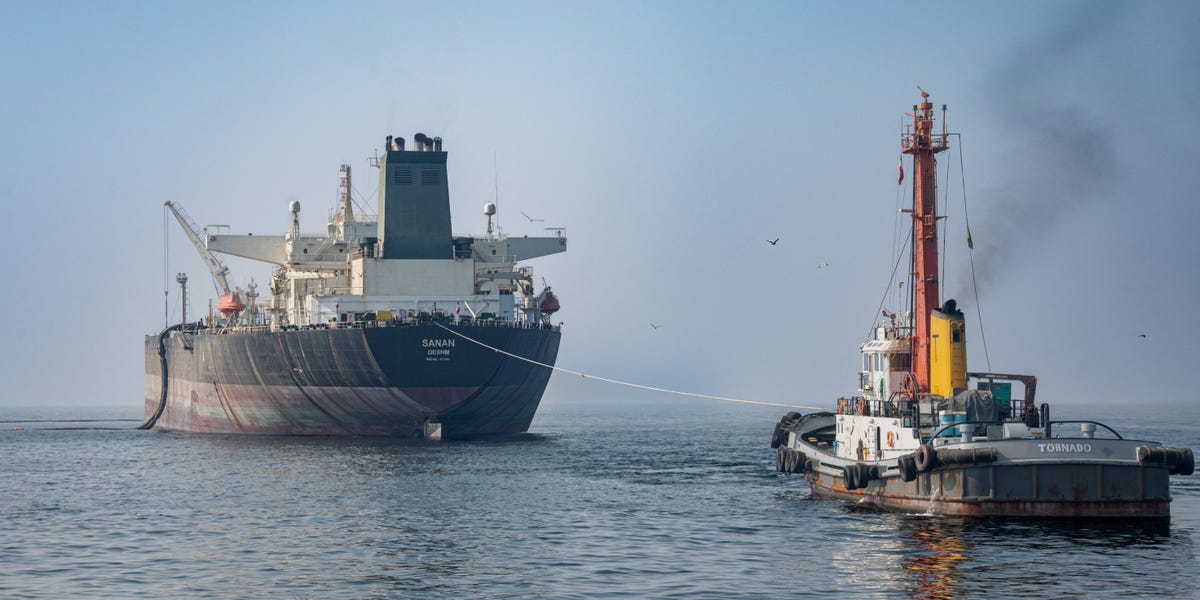
The Strait of Hormuz has emerged as a focal point in discussions about potential supply disruptions. This vital waterway in the Middle East handles 20% of both global oil and liquefied natural gas supplies, making it crucial for international energy flows.
Struyven emphasized the passage’s importance while noting that Goldman’s base case assumes shipping through the strait will continue without long-term disruptions. However, the bank’s analyst acknowledged that geopolitical uncertainty could quickly change market dynamics.
Iran Threatens Retaliation Amid US Pressure
Iran, one of the world’s leading oil suppliers, has indicated it intends to retaliate if President Donald Trump follows through with threats against the country. This could potentially include attempts to block or restrict access to the Strait of Hormuz, which would severely throttle global oil supply.
Additionally, Struyven provided specific projections about potential price impacts. If flows were curtailed by 1 million barrels per day for an entire year, he predicted this would justify an $8 per barrel price increase, representing roughly an 11% jump from current levels.
Market Fear Could Amplify Volatility
Meanwhile, the Goldman Sachs researcher noted that trader sentiment and fear could push prices even higher than fundamental supply disruptions would justify. Markets are continuously reassessing not only the base case scenario, but especially the probability of large-scale oil disruptions in the Middle East, according to Struyven.
In contrast to last year’s trends, oil prices have risen in 2026 after tumbling throughout 2025. The recent volatility in crude oil prices follows earlier disruptions related to US military action in Venezuela in January, compounding concerns about energy security.
Geopolitical Risk Premium Returns to Oil Markets
The current situation represents a shift in how traders are pricing geopolitical risk into energy markets. After a period of relative stability, the combination of Iran tensions and other geopolitical flashpoints has reintroduced significant uncertainty into oil price forecasting.
However, analysts note that actual supply disruptions have not yet materialized. The price movements largely reflect anticipation and risk assessment rather than concrete changes to global oil flows.
Market participants continue to monitor developments closely as both the probability and potential magnitude of supply disruptions remain uncertain. The duration and intensity of US-Iran tensions will likely determine whether crude oil prices sustain their recent gains or retreat if diplomatic solutions emerge.