





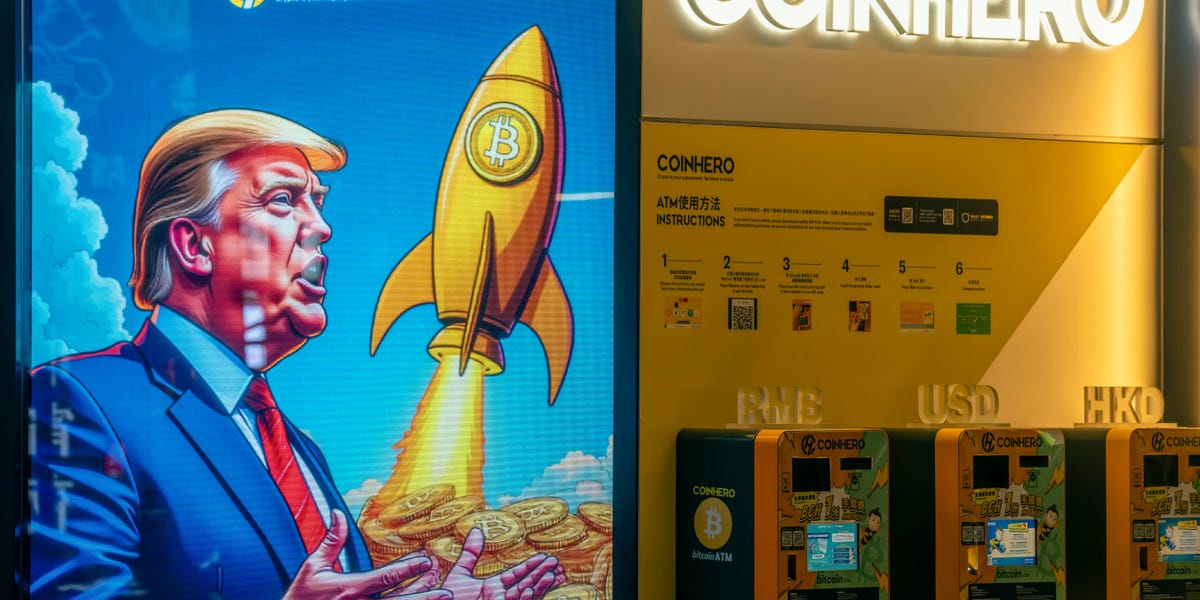
One year into Donald Trump’s presidency, bitcoin has declined below its pre-election value, prompting industry experts to examine the causes behind the ongoing crypto winter. Ross Gerber, CEO of Gerber Kawasaki Wealth & Investment Management, has identified celebrity-backed meme coins as a primary driver of the broader bitcoin market downturn. According to Gerber, the proliferation of these speculative tokens has eroded investor confidence and drained capital from the cryptocurrency ecosystem.
The investor pointed specifically to meme coins launched around the presidential inauguration, including tokens associated with Trump and former First Lady Melania Trump. These digital assets, along with World Liberty Financial Coin, have experienced dramatic price collapses, with the Trump meme coin shedding approximately 80% of its value over the past year. The Melania token has similarly plummeted, leaving retail investors with substantial losses.
Celebrity Meme Coins Fueling Investor Distrust
Gerber characterized many celebrity-endorsed cryptocurrency projects as fraudulent schemes that enrich promoters while devastating ordinary investors. He stated that people invest in these tokens based on celebrity endorsements, only to suffer losses when prices inevitably crash. The famed investor emphasized that this dynamic represents stolen capital that permanently exits the crypto market.
The problem extends beyond the Trump family’s ventures. Former New York City Mayor Eric Adams launched a token that quickly crashed after debut, while internet personality Haliey Welch’s $HAWK coin followed a similar trajectory. These high-profile failures have created a pattern of disappointed investors who subsequently abandon cryptocurrency investments entirely, according to Gerber.
Regulatory Approach Contributing to Market Decline
Additionally, Gerber identified the Trump administration’s lenient approach to cryptocurrency regulation as another factor undermining the bitcoin market. Paradoxically, the lighter regulatory framework appears to be deterring mainstream investors rather than attracting them. The lack of protective oversight has made the crypto space feel less secure for everyday participants who fear falling victim to scams and pump-and-dump schemes.
The investor explained that bitcoin struggles to rally when potential investors are frightened away from the broader crypto ecosystem. Digital asset prices require continuous influx of new market participants to sustain upward momentum. However, the meme coin crisis has created investor fatigue and skepticism that prevents fresh capital from entering the market.
Institutional Participation Key to Recovery
Meanwhile, other prominent financial experts share Gerber’s concerns about eroding confidence in cryptocurrency markets. Mohamed El-Erian, chief economic advisor at Allianz, recently argued that bitcoin will struggle to recover until institutional investors significantly increase their market participation. This perspective reinforces the view that retail investor flight poses serious challenges for crypto market recovery.
In contrast to retail investors, institutional participants typically conduct thorough due diligence and maintain longer investment horizons. Their absence from the market signals continued skepticism about cryptocurrency’s legitimacy and stability. The meme coin phenomenon has likely reinforced institutional wariness by highlighting the speculative excesses and potential for manipulation within crypto markets.
The combination of celebrity scams, regulatory uncertainty, and retail investor exodus has created challenging conditions for the bitcoin market. As meme coin victims share their experiences, the reputational damage to cryptocurrency as an asset class continues to accumulate. This credibility crisis threatens to prolong the current downturn beyond typical market cycles.
Market observers will be watching whether regulatory authorities implement stronger investor protections to restore confidence in cryptocurrency markets. The timeline for any potential recovery remains uncertain, as rebuilding trust among retail investors who suffered meme coin losses could require years rather than months.