




Regulators in China have directed banks to reduce their holdings of US Treasury bonds, according to a Bloomberg report published Monday. Chinese authorities cited concentration risk and heightened volatility in US debt markets as the primary reasons for scaling back Treasury investments. The directive has already impacted financial markets, with bond yields edging higher and the dollar dropping almost 1% following the news.
According to Bloomberg, Chinese banks have been urged to limit new purchases of US Treasury bonds, while institutions with particularly high exposure have been instructed to reduce their existing investments. However, regulators did not specify exact thresholds or target levels for how much exposure Chinese banks should maintain to US debt at this time. The guidance represents a significant shift in policy for Chinese financial institutions that have traditionally held substantial US dollar-denominated assets.
The fresh dip in the greenback follows its recent decline to four-year lows, adding pressure to an already weakening dollar. Treasury yields, which move inversely to bond prices, rose slightly on Monday morning as markets digested the implications of China’s potential pullback from US debt markets.
Implications for US Treasury Markets
While the report notes that Chinese regulators framed the directive primarily around financial stability concerns rather than geopolitical strategy, the move is likely to intensify debate about foreign willingness to continue financing US debt. Data from the State Administration of Foreign Exchange shows that as of September 2025, Chinese banks collectively held $298 billion in US dollar-denominated bonds, though the exact portion allocated to US Treasury bonds remains unclear.
The directive comes at a time when the “sell America” trade has become a focal point for global investors. This trend involves dumping dollar-denominated assets ranging from stocks to Treasurys, driven by concerns over record-high US debt levels and ongoing deficit spending. Additionally, weaker confidence in US institutions amid threats to central bank independence and persistent tariff uncertainties has fueled this shift.
Broader Market Context
The “sell America” sentiment has also contributed to the debasement trade, which has boosted alternative assets like gold and other precious metals over the past year. Investors increasingly seek hedges against potential dollar weakness and fiscal instability in the United States. Meanwhile, the reduced appetite for US Treasury bonds among major foreign holders could complicate funding for the federal government’s budget deficits.
Chinese authorities have not publicly confirmed the directive, and details about implementation timelines remain scarce. The ministry has not released an official statement regarding the policy shift or its expected impact on bilateral financial relations. However, the move represents a notable development in how China manages its substantial foreign exchange reserves and financial sector exposure.
Geopolitical Considerations and US Treasury Bond Holdings
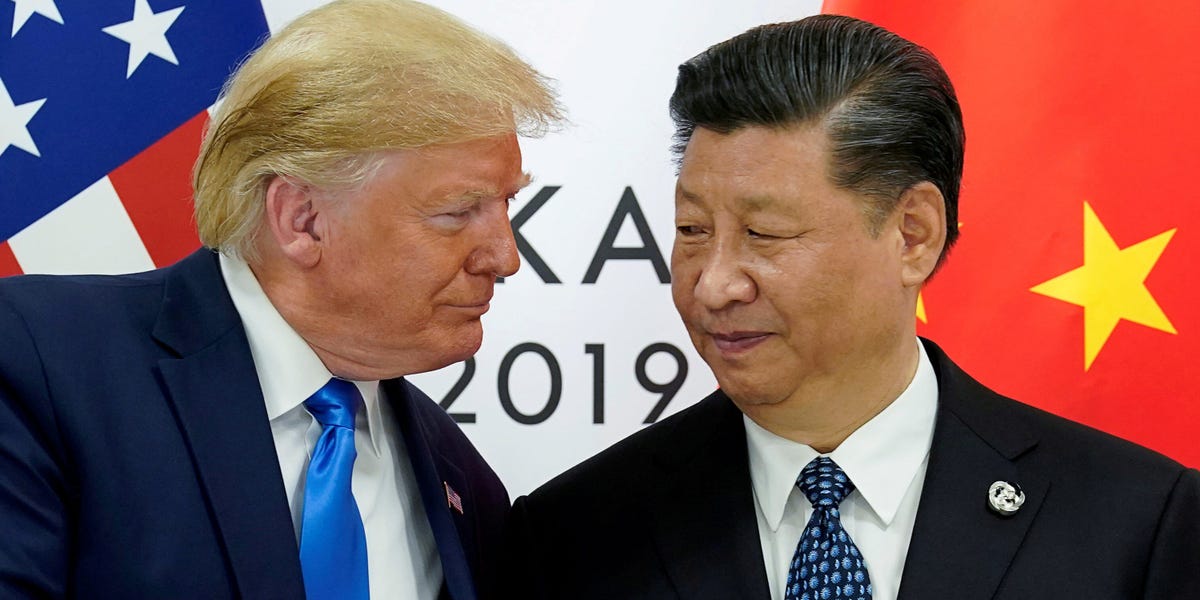
In contrast to the official framing around financial stability, market observers are weighing whether geopolitical factors may have influenced the decision. The directive comes during a period of complex US-China relations, though recent diplomatic engagement suggests both nations are seeking areas of cooperation. Donald Trump and Chinese leader Xi Jinping spoke by phone last week, and reports indicate they could potentially meet in Beijing in April.
The timing of this directive adds another layer of uncertainty to global financial markets already grappling with questions about US fiscal sustainability. If Chinese banks significantly reduce their US Treasury bond holdings, it could affect demand dynamics in the world’s largest and most liquid bond market. This potential reduction in a major source of foreign investment may ultimately lead to higher borrowing costs for the US government.
Market participants will be closely monitoring whether Chinese banks begin actively selling existing Treasury positions or simply halt new purchases. Further clarity on implementation details and the potential meeting between US and Chinese leadership in April may provide additional insight into the trajectory of this policy shift.