





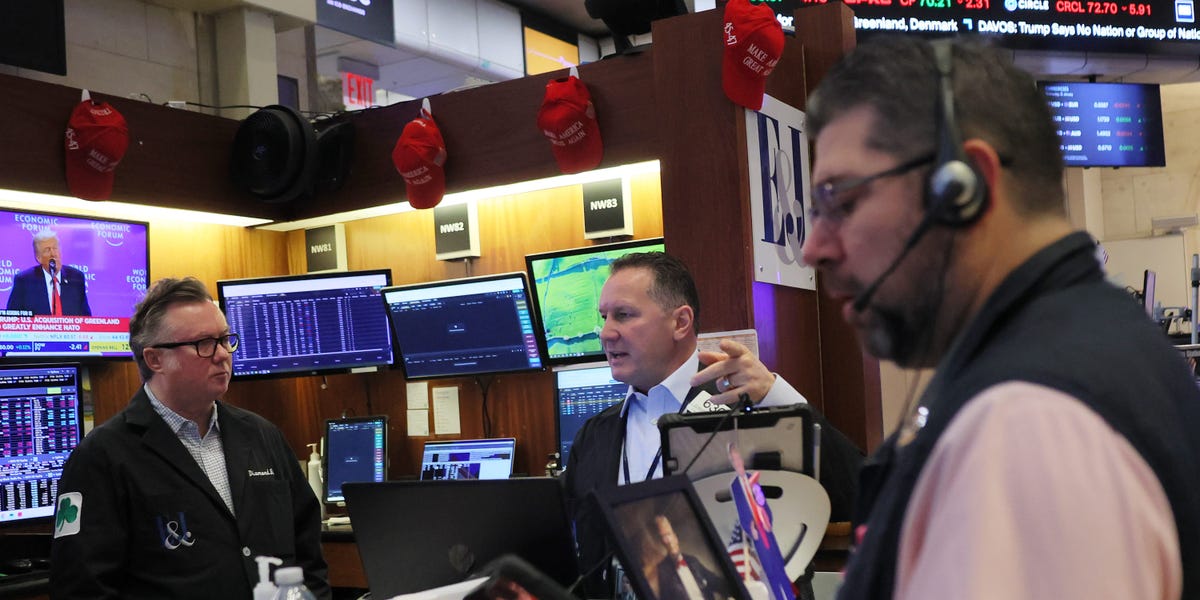
Bank of America is urging investors to shift their focus from Big Tech stocks to Main Street investments, warning of a major threat to the market leadership that dominated the early 2020s. In a recent note, analysts led by Michael Hartnett recommended betting on Detroit rather than Davos, suggesting that small-cap stocks, emerging markets, and REITs could outperform as the midterm elections approach.
The investment bank highlighted a fundamental shift in the business models of technology giants, noting that the transition from asset-light to asset-heavy operations poses significant risks. According to Bank of America, massive AI infrastructure spending by hyperscalers means these companies “no longer have the best balance sheets, no longer the biggest stock buybacks,” undermining key advantages that made them investor favorites.
Main Street Investments Gain Favor Over Wall Street Giants
The recommendation comes amid growing concerns about affordability and regulatory pressures facing major corporations. President Donald Trump’s increasing focus on reducing costs for American consumers has impacted multiple sectors, including banks and technology companies, according to the analysts.
Bank of America specifically pointed to aggressive government intervention aimed at lowering prices across energy, healthcare, credit, housing, and electricity sectors. “Aggressive intervention to reduce price of energy, healthcare, credit, housing, electricity via Big Oil, Big Pharma, Big Banks, Big Tech means small and mid-cap best play for ‘boom’ on Main St in run-up to US midterms,” Hartnett wrote in Friday’s note.
Market Rotation Accelerates
The strategic shift recommended by Bank of America aligns with recent market trends showing rotation away from technology stocks. This week, investors dumped AI-exposed companies following concerns over Anthropic’s new tools, while value stocks across various sectors attracted increased buying interest.
Additionally, small-cap stocks have demonstrated strong performance compared to large-cap counterparts this year. The Russell 2000 index has gained approximately 6% in 2026, significantly outpacing the S&P 500’s increase of less than 1%, according to market data.
Small-Cap Stocks Positioned for Growth
Other finance professionals have echoed similar sentiment regarding the potential of small and mid-cap investments. The stocks that were largely overlooked during the Big Tech rally earlier in the decade are now attracting attention as viable alternatives for portfolio diversification.
However, Bank of America’s analysts emphasized that their positioning depends on political factors. Hartnett stated the firm is “long Main St, short Wall St until Trump approval rating up on policy pivot to address affordability,” indicating that shifting political dynamics could influence the investment strategy.
Meanwhile, the transformation of Big Tech companies from capital-efficient operations to heavy infrastructure spenders represents a structural change in the market landscape. The billions of dollars being poured into AI data centers and computing infrastructure have altered the financial profiles of companies that previously maintained minimal physical assets.
Election Cycle Implications
In contrast to previous election cycles where large-cap technology stocks dominated returns, Bank of America expects domestic-focused small and mid-cap companies to benefit from policy attention on Main Street concerns. The anticipated regulatory and political environment leading up to midterm elections could create favorable conditions for these investments.
The investment thesis suggests that companies serving local economies and domestic markets may experience tailwinds as policymakers address affordability issues affecting everyday Americans. This represents a departure from the globalized, platform-based business models that characterized the Magnificent Seven tech stocks.
Market observers will be watching whether this rotation from growth to value stocks proves sustainable or if Big Tech stocks regain their leadership position as AI investments begin generating returns. The timing and extent of any policy changes addressing affordability concerns remain uncertain factors that could influence the trajectory of both Main Street and Wall Street investments in coming months.