





Major AI stocks including Nvidia, Oracle, and CoreWeave have experienced double-digit declines in recent months, raising questions about whether the artificial intelligence sector is facing a fundamental reassessment rather than temporary market volatility. According to a prominent AI researcher, the recent downturn in AI stocks may signal investors are confronting the limitations of current AI technology and backing away from earlier optimism.
The sell-off accelerated following Anthropic’s introduction of new plugins for its Claude AI agent, which triggered significant declines in legal tech stocks before spreading to the broader technology sector. Nvidia has dropped 13 percent since November, while Oracle has fallen 43 percent during the same period, according to market data.
AI Researcher Sees Reality Check for Investors
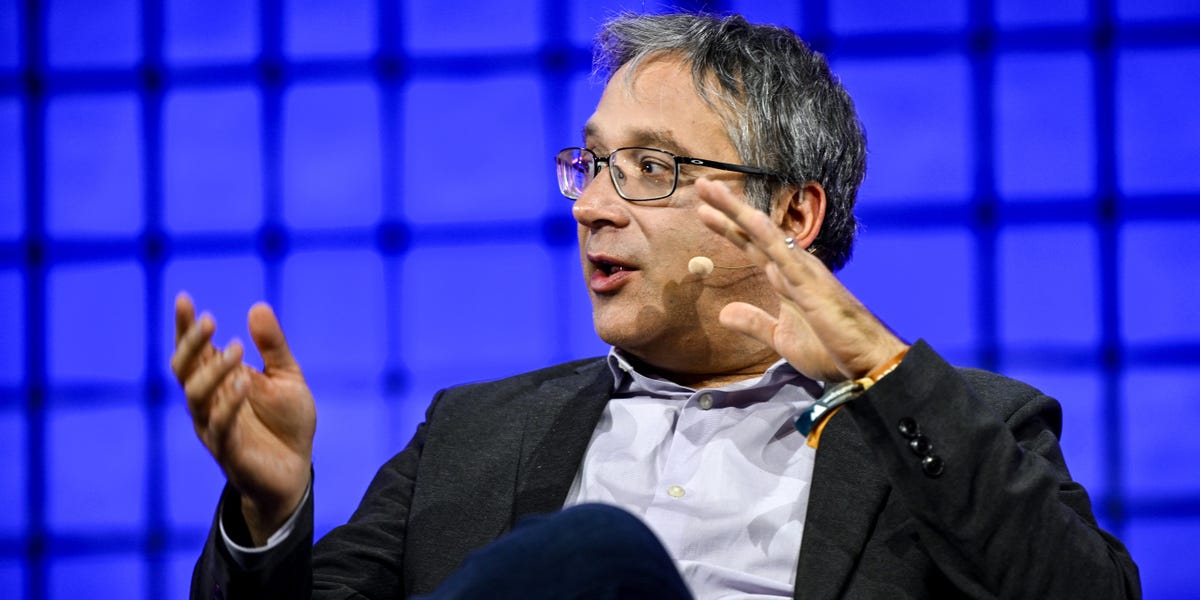
Gary Marcus, an AI scientist and former chief of AI at Uber, argues the market movements reflect investors recognizing they were sold exaggerated promises about artificial intelligence capabilities. In a recent post, Marcus stated that AI stocks and OpenAI’s reputation will likely decline further, as the technology fails to reach the ambitious heights many anticipated.
Marcus points to the launch of ChatGPT-5 as a pivotal moment that disappointed investors. He highlighted OpenAI CEO Sam Altman’s early 2025 claim that the company knew how to build artificial general intelligence, suggesting such promises now appear questionable given current AI limitations.
Contradictory Investor Concerns Drive Tech Stock Rotation
The rotation away from tech stocks stems from seemingly contradictory concerns, according to Marcus. Some investors are exiting companies like Nvidia due to worries about circular financing and the profitability of large language model companies. Meanwhile, others are abandoning traditional software companies such as Salesforce over fears that AI firms like Anthropic will disrupt and replace conventional software products.
Additionally, Marcus expressed concerns about the stability of the AI industry ecosystem. He flagged circular funding arrangements, where technology companies invest in each other’s products and services, as warning signs of a market propped up artificially rather than functioning on sustainable economics.
Market Turbulence Continues Across Technology Sector
The technology sell-off extended through recent trading sessions, with Alphabet shares declining sharply after earnings reports revealed continued substantial capital expenditure plans for AI infrastructure. Software stocks faced particular pressure, with the iShares Expanded Tech-Software Sector ETF falling an additional 3 percent, according to market reports.
However, not all analysts share Marcus’s pessimistic outlook on AI stocks. The debate continues about whether current valuations reflect genuine concerns about AI technology limitations or represent a temporary correction in an otherwise promising sector.
Marcus referenced an Oracle deal from September, which he called “peak bubble” at the time, as another example of concerning market dynamics. The deal exemplified the type of circular financing arrangements that have drawn scrutiny from skeptics including Michael Burry, known for predicting the 2008 financial crisis.
Market observers will be watching upcoming earnings reports and product announcements from major AI companies to determine whether the sector downturn represents a temporary correction or the beginning of a more prolonged reassessment of AI investment prospects. The trajectory of AI stocks in coming months remains uncertain as investors weigh technological capabilities against elevated valuations.