





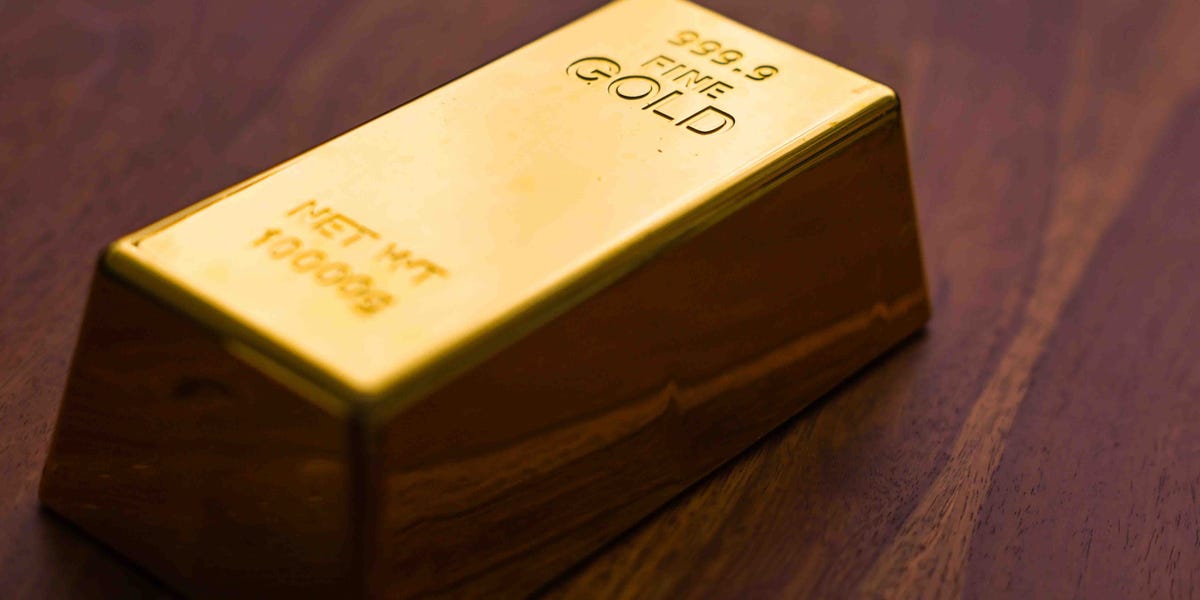
Gold and silver prices experienced dramatic volatility last week, with both precious metals plunging sharply after months of strong gains. The sudden crash has reignited debate about whether commodities investing is a sound strategy or merely speculation, with one prominent investment chief warning that precious metals lack the fundamental characteristics of true investments.
Despite a 12% drop in gold prices last Friday and a 30% meltdown in silver, the metals remain significantly higher over the past year. Gold has climbed 70% over the last 12 months, while silver has surged 160% during the same period, according to recent market data.
Investment Chief Questions Commodities Investing Strategy
Hank Smith, chief investment officer at Haverford Trust where he oversees more than $15 billion in assets, argues that investors should exercise caution before allocating funds to precious metals or other commodities. According to Smith, the recent rally in gold and silver appears driven primarily by momentum investing rather than fundamental value.
Smith told Business Insider on Tuesday that the run-up in precious metals from late 2025 into 2026 reflects investors buying assets simply because prices are rising. This momentum-driven approach, he suggests, represents speculation rather than sound investment principles.
Why Commodities Differ From Traditional Investments
The fundamental problem with commodities trading, according to Smith, is that physical commodities lack the characteristics that define traditional investments. Unlike stocks or bonds, commodities do not generate earnings, maintain balance sheets, or pay dividends or interest to holders.
“Those are speculations. They’re not investments,” Smith explained. He emphasized that commodities buyers can only profit by selling to someone willing to pay a higher price, with no underlying income generation to support valuations.
Additionally, Smith noted a significant shift in commodities markets over recent decades. Thirty to forty years ago, the vast majority of futures market participants were companies with physical interests hedging their exposure, such as airlines protecting against oil price fluctuations. However, today’s commodities markets are dominated by hedge funds and speculative investors rather than entities with actual commodity needs.
Precious Metals as Store of Value Questioned
Many financial experts advocate for gold allocation based on its reputation as a store of value during recessions or inflationary periods. The thinking suggests precious metals provide safety or appreciation when traditional markets struggle, or offer returns uncorrelated with stock movements.
However, Smith rejects this philosophy entirely. He argues that dividend-paying stocks represent superior long-term investments compared to commodities, and his portfolio maintains no exposure to precious metals, wheat, oil, or other commodities.
Smith specifically challenged the notion that gold preserves value over extended periods. “If you owned gold for 100 years, you don’t have much to show for yourself,” he stated, suggesting that gold returns likely trail Treasury bills or even checking account yields over the long term.
Modern Commodities Access Through ETFs
Commodities trading has become increasingly accessible to retail investors through futures and spot-price exchange-traded funds. Instead of physically storing gold bars or oil barrels, investors can gain price exposure through funds like the SPDR Gold Trust or the United States Oil Fund.
Meanwhile, this increased accessibility has contributed to the speculation-driven dynamics that concern traditional investment managers. The ease of trading commodities through ETFs has attracted momentum investors who may not fully understand the risks inherent in assets that generate no cash flows.
Market participants will be watching whether precious metals can stabilize following last week’s sharp decline, though the underlying debate about commodities’ role in investment portfolios appears far from resolved. The volatility has highlighted the risks of momentum-driven investing strategies in markets lacking fundamental income generation.