





Software stocks extended their decline on Wednesday as concerns about artificial intelligence disruption continued to weigh on the tech sector. The tech-heavy Nasdaq Composite and S&P 500 both posted losses, with the iShares Expanded Tech-Software Sector ETF falling nearly 4% and bringing its year-to-date loss to 22%, according to market data.
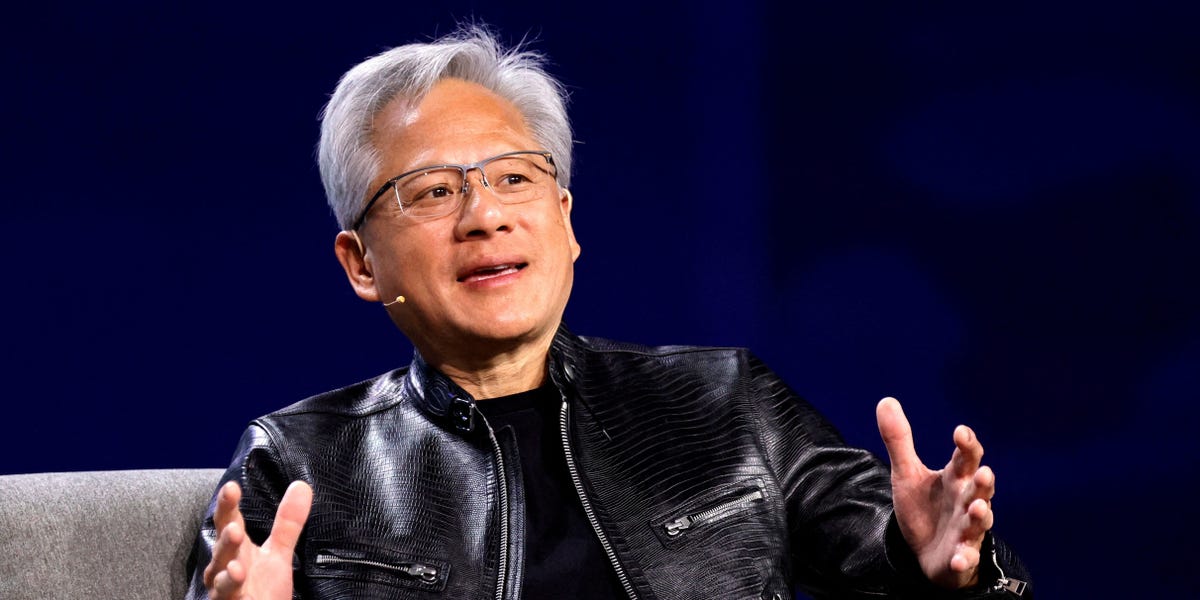
Nvidia CEO Jensen Huang addressed the growing anxiety about AI replacing software companies during a Cisco AI event on Tuesday. The semiconductor leader dismissed Wall Street’s fears as fundamentally flawed, calling the notion “the most illogical thing in the world.”
Nvidia CEO Challenges AI Disruption Fears
Huang pushed back against the prevailing market sentiment that has hammered software stocks in recent sessions. He argued that the idea of AI replacing the tool industry represents a fundamental misunderstanding of how the technology works.
“There’s this notion that the tool industry is in decline and will be replaced by AI. You could tell because there’s a whole bunch of software companies whose stock prices are under a lot of pressure because somehow AI is going to replace them,” Huang said at the event. He added that time would prove these concerns unfounded.
Software as Tools for AI, Not Competitors
The Nvidia executive explained his perspective that software stocks should benefit from AI adoption rather than suffer displacement. According to Huang, AI systems will leverage existing software tools instead of reinventing their own solutions from scratch.
Huang specifically highlighted Service Now, SAP, Cadence, and Synopsis as bright spots within the software sector. These companies represent examples of how software can work alongside AI rather than compete against it, according to the CEO’s assessment.
Market Rotation Away From Technology
The weakness in software stocks reflects a broader shift in investor sentiment away from the technology sector. The iShares Expanded Tech-Software Sector ETF has declined nearly 20% over the past year, with the sector entering bear market territory last week.
Additionally, the selloff marks a rotation into other market segments that have underperformed recently. Investors appear to be reassessing valuations in the tech sector amid uncertainty about how AI will impact traditional software business models.
However, not all market participants agree with the pessimistic outlook. Huang’s comments suggest that industry leaders see AI as complementary to existing software infrastructure rather than a replacement technology.
Broader Market Implications
Meanwhile, the ongoing volatility in software stocks has created ripple effects across the broader technology sector. The concentration of losses in previously high-flying software names has weighed on major indexes and raised questions about tech sector valuations.
In contrast to the software sector’s struggles, semiconductor stocks have shown more resilience. This divergence highlights investor uncertainty about which technology subsectors will benefit most from AI adoption.
The software sector’s decline comes despite robust earnings from many companies in the space. Market participants appear focused on future growth concerns rather than current financial performance, according to analysts.
Market observers will continue monitoring whether Huang’s reassurances can stabilize sentiment in the software sector. The coming weeks may determine whether investors accept the view that AI and software can coexist or if concerns about disruption persist.