




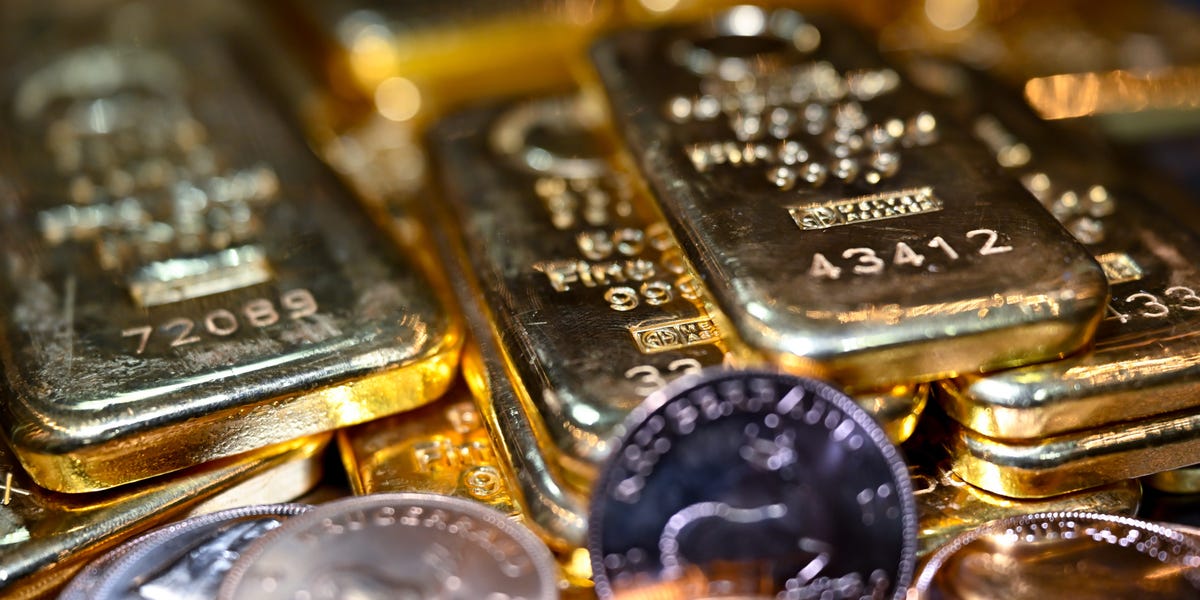
The violent drop in gold and silver prices last Friday shocked precious metals markets, ending a yearlong rally with the worst sell-off in gold since 2013 and the deepest one-day plunge in silver since 1980. Analysts examining the aftermath say multiple factors had converged to create conditions ripe for a correction, including speculative mania that gripped metals markets in recent months and a sudden reassessment of forces behind the stunning rally since early 2025. Both metals remained volatile on Monday, fluctuating between slight gains and losses as traders digested the dramatic reversal.
The crash marked an abrupt end to a period of surging prices driven by the “Sell America” trade and currency debasement concerns. Market observers point to a timeline of events that built up selling pressure while attracting momentum traders who amplified both the rally and the subsequent collapse.
Tariffs Sparked Initial Rally in Precious Metals
President Donald Trump’s tariffs on major trading partners in April 2025 triggered a flight from US assets, according to market analysts. The tariffs sparked the “Sell America” trade, with investors dumping US-based holdings amid fears about the economic and inflation outlook. On the flip side, the debasement trade emerged as investors flocked to assets perceived as protected against US currency devaluation and eroding trust in American institutions.
These forces created huge tailwinds for gold and silver throughout 2025. Gold prices rose 14% from their April low to early August, while silver prices surged 26% over the same period. The rally accelerated as concerns mounted over Federal Reserve independence and potential currency weakness.
Federal Reserve Signals Fueled Speculation
Jeffrey Christian, a longtime commodities analyst, said speculation in gold and silver began intensifying last fall. He pointed to sharp price increases following the Fed’s Jackson Hole Symposium, when the central bank signaled more aggressive interest rate cuts than markets had expected. Metals surged as inflation concerns grew, particularly as Trump continued pressuring the Fed to cut rates over the summer.
Gold prices jumped approximately 12% in the month following Jackson Hole’s start, while silver climbed 14%. That rally created prime opportunities for momentum traders who enter positions as prices gain steam, Christian told Business Insider. The speculative fervor also caught attention in China, where trading and speculation are deeply embedded in investment culture, according to José Torres, a senior economist at Interactive Brokers.
Torres noted that Chinese investors appeared particularly interested in the “Sell America” movement. Art Hogan, chief market strategist at B. Riley Wealth Management, confirmed that China was a significant piece of the speculative puzzle.
Exchange Requirements Added Pressure
In December, the CME Group and Shanghai Gold Exchange announced higher cash requirements to hold positions in precious metals, increasing selling pressure. After the CME’s announcement, gold prices dipped and silver dropped 5%. Momentum traders frequently use leverage to amplify returns, which can magnify losses when investments plunge and create a negative feedback loop, Hogan explained.
Additionally, rising volatility and the approach of Lunar New Year in China typically cause investors to reduce positions, commodities strategists at ING wrote on Monday. These factors combined to build up selling pressure even as prices continued climbing.
Geopolitical Tensions Pushed Prices to Records
Rising geopolitical tensions sent gold and silver sprinting to new highs in early January. In the first 29 days of the year, gold rallied 23%, fueled largely by concerns about the US raid on Venezuela, escalating tensions with Iran, and Trump’s aggressive rhetoric about taking over Greenland. Silver prices soared 62% over the same timeframe, reaching an all-time high.
However, the parabolic rise set the stage for an equally dramatic fall. The excessive gains attracted more speculators using leverage, creating an unstable foundation for the precious metals rally.
Fed Chair Nomination Triggered Collapse
A day after silver touched its record high, Kevin Warsh’s nomination to lead the Federal Reserve set the stunning decline in motion. Trump’s pick prompted an abrupt rethinking of forces that had propelled precious metals to record highs over twelve months. Suddenly, the dollar rose, gold and silver plummeted, and the debasement trade faced serious challenges.
Warsh, who has maintained a more hawkish stance on inflation, caused interest rate expectations to rise, according to market participants. That strengthened the US dollar on Friday, making safe-haven assets like gold and silver less attractive by comparison. Manish Kabra, head of US equity strategy at Societe Generale, said the nomination broke bearish sentiment on the dollar and likely became the catalyst for excessive moves in gold and silver.
Hogan said he believed momentum traders were being “flushed out” of the market, largely due to struggles with leveraged positions. Christian emphasized that speculative behavior drove both the rally and the collapse. Art Hogan noted that when asset classes go parabolic, they tend to resolve themselves with equal momentum on the downside.
Market participants expect continued volatility in precious metals as leveraged positions unwind and traders reassess the outlook for Federal Reserve policy under potential new leadership. Authorities have not provided guidance on when metals prices might stabilize or whether additional regulatory measures will be implemented to address speculative excess.