





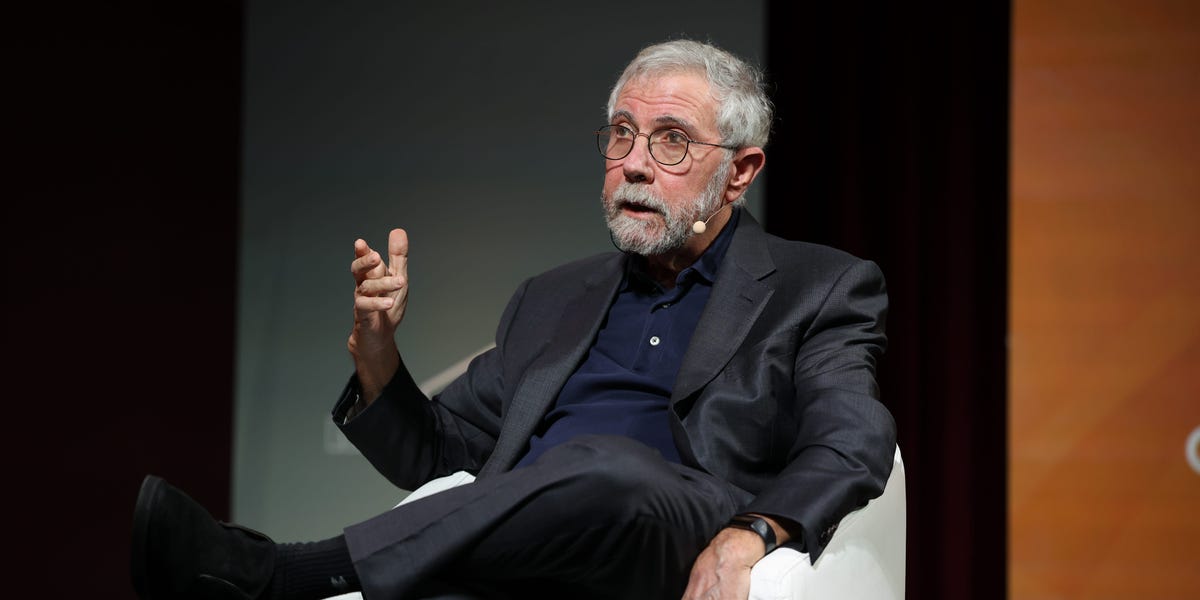
Nobel Prize-winning economist Paul Krugman has warned that US trade policy under the Trump administration will ultimately harm American consumers the most. In a recent Substack post, Krugman argued that aggressive negotiating tactics and chaotic trade measures are creating global instability that will negatively impact the United States in the long run.
The economist believes that Trump’s approach to international trade relations is pushing other nations away from the US market. According to Krugman, this “economic divorce” will result in trade partners making more deals with each other while reducing their economic ties with America, leaving US consumers measurably poorer.
Growing Concerns Over Trump Trade Policy Impact
Krugman is not alone in his concerns about the economic consequences of current trade strategies. Moody’s Analytics chief economist Mark Zandi has predicted that tariffs could push the US into a recession. Meanwhile, hedge fund billionaire Ray Dalio has speculated that aggressive trade measures could trigger capital wars on a global scale.
The economist’s analysis comes as recent studies show American consumers are shouldering almost the entire cost of Trump’s tariffs. However, Krugman suggests this is only the beginning, as continued use of tariffs as a negotiating tool will impose additional burdens on already struggling households.
EU Trade Relationships Gaining Ground
Using World Bank data, Krugman highlighted a striking disparity in global trade relationships. His analysis shows that other nations value access to the European Union market significantly more than the US market. The data indicates that when computed for the EU, the percentage of other countries’ output sold doubles compared to what they sell to the United States.
According to the economist, other countries sell less than 5 percent of their total output to the United States on average, with even lower figures when Canada and Mexico are excluded. In contrast, approximately twice as much of the global output is sold to the EU as to the US, demonstrating the bloc’s growing economic influence.
International Partners Seeking Alternative Agreements
Nations worldwide are increasingly aware of these economic realities and are actively seeking to strengthen ties with the EU rather than the US, according to Krugman. He cited India’s recent trade deal with the European Union as a prime example of this “economic divorce” trend accelerating under current US trade policy.
The economist contrasted the approaches of different trading partners, noting that unlike Trump’s zero-sum game mentality toward international trade, European and Indian leaders understand that free trade agreements create mutual benefits. Additionally, this philosophical difference is driving more countries to pursue partnerships that prioritize cooperation over confrontation.
Long-Term Consequences of Trade Policy Shifts
Krugman emphasized that the shift away from US-centric trade relationships represents a fundamental change in global economic dynamics. As America’s trade partners increasingly view the country’s economic relations as “abusive,” they are pursuing alternative arrangements that bypass US markets entirely. This realignment could have lasting consequences for American economic influence and consumer purchasing power.
The economist’s concerns reflect broader anxieties about how aggressive trade tactics might backfire on domestic interests. While tariffs and trade barriers are often presented as tools to protect American workers and industries, the evidence suggests they may instead isolate the US from beneficial international commerce.
As global trade patterns continue to evolve, observers will be watching whether the administration adjusts its approach or whether other nations will further distance themselves from US markets. The ultimate impact on American consumers and the broader economy remains uncertain, though Krugman’s analysis suggests the trajectory is troubling.