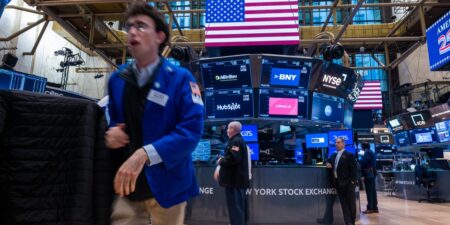





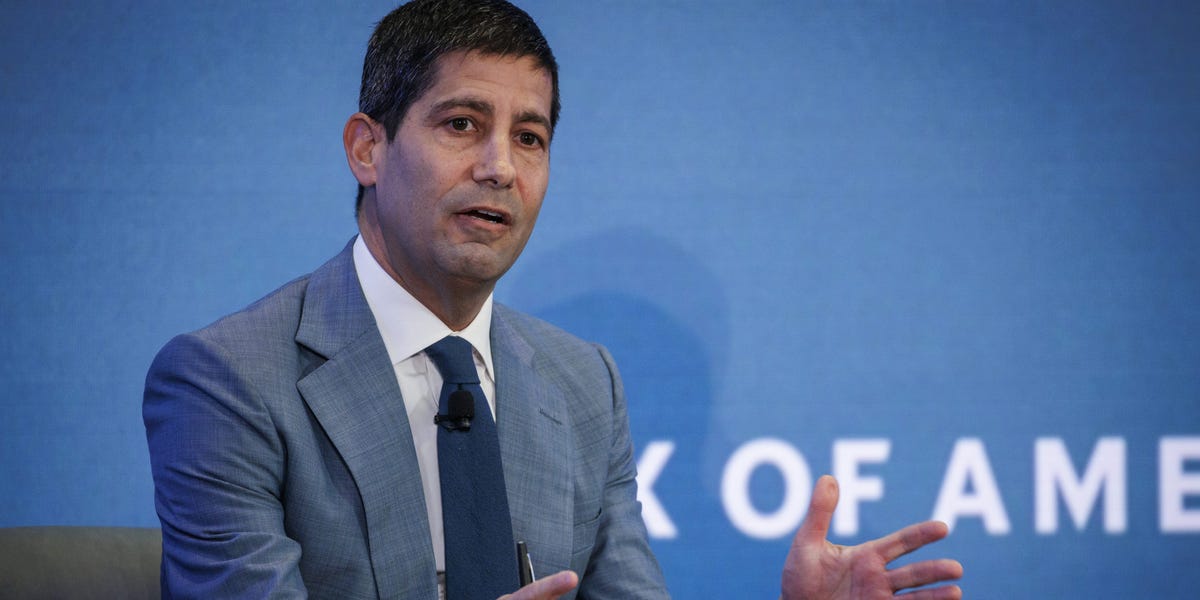
President Donald Trump has nominated Kevin Warsh to serve as the next Federal Reserve Chair, triggering immediate market reactions as investors assess the implications for monetary policy. Warsh, who previously served on the Fed’s Board of Governors from 2006 to 2011, is set to assume leadership of the central bank in May pending Senate confirmation. The announcement on Friday sparked sell-offs in stocks, gold, and silver as traders recalibrated their expectations for future interest rate policy.
The nomination represents a significant shift in Federal Reserve leadership at a critical moment for the U.S. economy. According to reports, the selection came as a surprise to many market participants who had anticipated different candidates. Warsh will lead the Federal Open Markets Committee, which consists of 12 members responsible for setting interest rates that influence borrowing costs across the economy.
Federal Reserve Chair Nominee’s Policy Stance Remains Uncertain
Despite Trump’s well-documented preference for lower interest rates, Warsh has historically advocated for hawkish monetary policy focused on controlling inflation. However, the nominee made a notable pivot in November 2024 when he suddenly began arguing for rate cuts. Many economists viewed this shift as an attempt to align with the president’s policy preferences and secure the nomination.
Samuel Tombs, chief U.S. economist at Pantheon Macroeconomics, suggested in an email that Warsh’s true policy instincts may reemerge once confirmed. According to Tombs, minutes from FOMC meetings during the global financial crisis and Warsh’s criticism of monetary stimulus during the COVID-19 pandemic indicate he prioritizes hitting the 2% inflation target over ensuring maximum employment during crises. The economist added that in the event of persistent near-3% inflation, Warsh might be more concerned with his historical legacy than continuing to accommodate presidential preferences.
Nomination Signals Respect for Central Bank Independence
The selection of Warsh over more politically aligned candidates may indicate Trump’s recognition of the importance of Federal Reserve independence. Despite the president’s frequent complaints about interest rate policy, he could have chosen nominees more willing to follow White House directives on monetary policy. The decision to nominate someone with established central banking credentials suggests awareness of how markets perceive Fed leadership.
Jason Pride, Chief of Investment Strategy and Research at Glenmede, noted in an email that the administration’s choice represents a nod to the need for independence. According to Pride, while Warsh may be more inclined toward rate cuts than current Chair Jerome Powell, he is likely to be perceived as expressing his own opinion rather than serving as a presidential proxy.
Implications for Technology and AI Stocks
If Warsh adopts a hawkish stance on interest rates, the policy shift could significantly impact high-growth sectors of the market, particularly artificial intelligence stocks. Lower interest rates typically fuel investment in speculative and high-growth companies, while tighter monetary policy can dampen enthusiasm for such investments. The period of near-zero interest rates during the pandemic encouraged a speculative frenzy in stocks and cryptocurrency that collapsed in 2022 when rates increased.
Mark Malek, Chief Investment Officer at Siebert Financial, indicated in an email that tighter liquidity would accelerate the filtering process in AI and technology sectors. According to Malek, this approach would expose which companies have genuine economic fundamentals versus those merely riding market hype. He suggested that stricter monetary policy could deflate the AI bubble before it fully inflates, potentially preventing a more catastrophic market crash later.
The Senate confirmation process for Warsh is expected to begin in the coming weeks, though the timeline remains uncertain. Market participants will likely scrutinize his testimony closely for additional signals about his intended approach to monetary policy and Federal Reserve independence.