




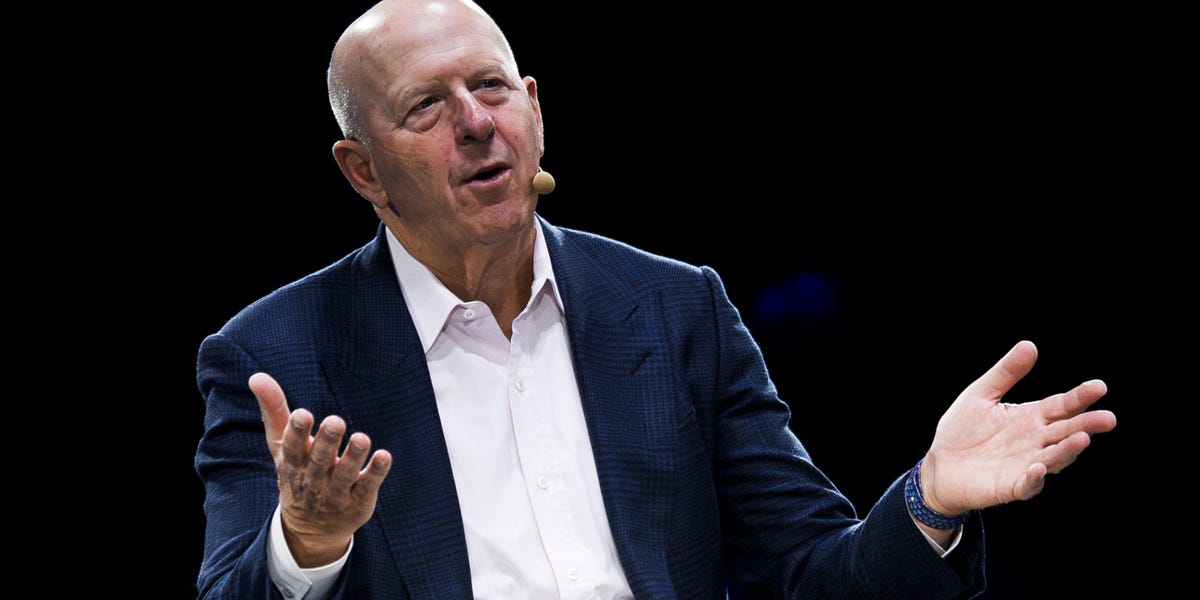
Goldman Sachs CEO David Solomon has shared his market outlook for 2026, predicting continued strength in capital markets despite potential volatility from geopolitical developments. Speaking at Goldman’s annual Asia-Pacific conference with Bloomberg, Solomon offered a generally optimistic view of the economy and markets this year, while acknowledging certain risks that could create turbulence for investors.
The banking executive estimated that recession risk remains relatively low and expressed confidence in the economic setup, particularly in the United States. Solomon also expects markets to deliver another strong year globally, though he cautioned that geopolitical tensions could create what he described as “speed bumps” along the way.
Recession Risk Remains Below 20% According to Goldman CEO
Solomon estimated the probability of a US recession in 2026 at just under 20%, describing the current economic conditions as especially constructive. The Goldman Sachs chief told Bloomberg that his base case puts recession odds at approximately one in seven.
According to Solomon, a downturn would only materialize if some unexpected external event significantly altered current market sentiment. His assessment aligns with broader Wall Street expectations that the US economy will avoid a contraction this year, supported by artificial intelligence investment, Federal Reserve rate cuts, and growth-friendly policies from the Trump administration.
Recent data supports this optimistic market outlook, with Atlanta Fed economists estimating fourth-quarter 2024 GDP growth at 5.4%. The robust economic performance reflects ongoing momentum in several key sectors, particularly technology and AI-related industries.
Strong Capital Markets Performance Expected in 2026
The Goldman Sachs executive predicted that 2026 will be a strong year for capital markets worldwide. He pointed to fiscal stimulus measures across various economies and a shift toward looser regulation in both the United States and Europe as factors that should support dealmaking and economic activity.
Additionally, Solomon highlighted the accelerating adoption of artificial intelligence by companies as a significant driver of productivity gains. This trend is expected to pave the way for higher economic growth and increased investment opportunities across sectors.
However, Solomon acknowledged concerns about a potential bubble forming in AI stocks. In contrast, he noted that the market rally appears to be broadening beyond the so-called Magnificent Seven tech stocks, with small-cap stocks beginning to outperform the market’s largest technology names.
Geopolitical Tensions Could Create Market Volatility
While maintaining a bullish stance on the overall market outlook, Solomon warned that geopolitical developments and regulatory changes could create temporary setbacks. The CEO referenced the historic stock market sell-off triggered by President Trump’s tariff announcements last April as an example of how policy decisions can impact investor confidence.
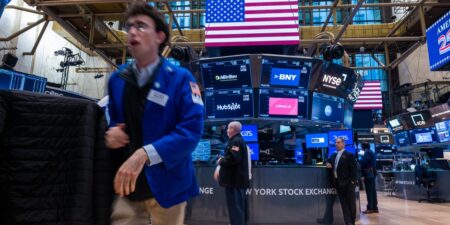
Meanwhile, investors have already experienced significant volatility in early 2026 due to various geopolitical events. Markets have reacted to the US raid on Venezuela, escalating tensions with Iran, and Trump’s pressure tactics regarding Greenland, though equities have generally recovered as tensions subsided.
Solomon noted that noise from geopolitical developments can sometimes undermine market confidence, even when underlying economic fundamentals remain solid. These distractions represent potential obstacles for investors navigating an otherwise favorable environment.
Market participants will continue monitoring geopolitical developments and policy announcements throughout 2026 to gauge their impact on the broader economic environment. The extent to which these factors affect investor sentiment and market performance remains uncertain as the year progresses.