




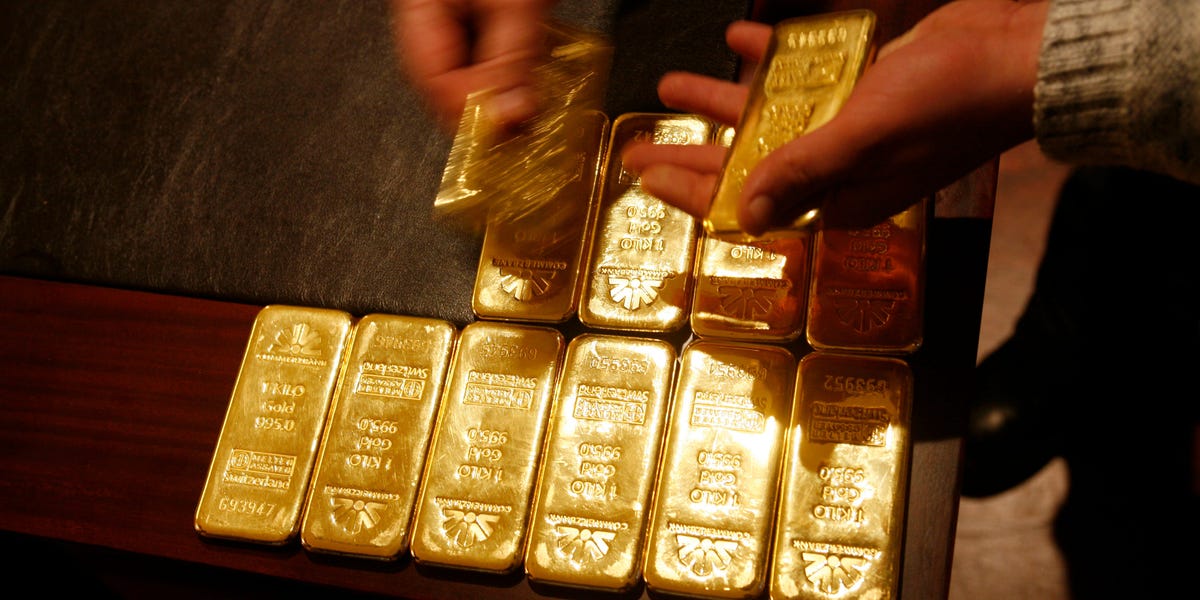
Retail investors are pouring money into gold and silver at unprecedented rates, with both precious metals delivering historic gains in 2025. According to data from VandaTrack Research, retail investors invested an average of $15 million daily into gold and $7 million daily into silver investments throughout last year. The surge comes amid growing concerns about inflation, tariffs, and the overall strength of the US economy.
Gold finished 2025 with its best annual performance since 1979, climbing 73% since the beginning of the year. Silver delivered even more impressive returns, surging 194% over the same period and marking its best annual performance in decades. The rally has attracted both experienced investors and newcomers seeking alternatives to traditional US stock market investments.
Gold and Silver Rally Driven by Economic Uncertainty
The precious metals rally gained momentum as concerns about the Trump administration’s policies intensified. Jeremy Cerza, a 45-year-old retail investor, said he plans to move approximately $20,000 from US stocks into precious metals if the S&P 500 continues declining. According to Cerza, there is too much volatility in US markets currently.
Additionally, talk of “Sell America” has driven many investors toward metals as a safer alternative. The trend accelerated in the second half of 2025, with speculation reaching fever pitch as prices went parabolic. The SPDR Gold Shares ETF became the third most talked-about investment on Reddit’s WallStreetBets forum last year, according to SwaggyStocks analytics.
Jesse Gaddis, a public relations professional, told Business Insider he holds around $20,000 in physical gold and silver plus $15,000 in precious metals ETFs. He sees the investments as a form of wealth preservation and wasn’t surprised by the 2025 rally. However, he recently sold approximately half his ETF holdings to take profits, acknowledging that corrections can be swift.
Physical Metals Demand Reaches Unprecedented Levels
Bullion Exchanges, a gold and precious metals retailer in New York, doubled its clientele in 2025 according to CEO Eric Gozenput. Lines of 10 to 20 people consistently form outside the company’s Diamond District location throughout the day. Many customers are first-time buyers of physical metals, Gozenput noted.
Meanwhile, the firm could have grown 200% if not for capacity limitations and metal shortages, particularly in silver. Gozenput believes many clients have been learning about the debasement trade, which suggests US dollar-denominated investments will weaken as government debts increase. The combination of education from prominent gold advocates and fear of missing out has created what he describes as a “wild, wild West” environment.
Bilaal Dhalech, another retail investor, began purchasing gold and silver during the pandemic but has invested more aggressively recently to hedge against inflation and excessive money printing. He holds approximately $10,000 in physical metals and $11,000 in gold ETFs, with his ETF holdings gaining 30% according to brokerage account screenshots. Dhalech said he was shocked to see conservative investments like gold and silver explode almost like meme coins.
Experts Warn of Potential Correction
Jeffrey Christian, managing director at CPM Group, believes “Sell America” sentiment fueled most of the rally through last summer. However, the speculative trade kicked into high gear after gold prices surged in August when the Federal Reserve signaled continued interest rate cuts. Christian said more traditional metals investors began pulling back as prices rocketed higher.
In contrast to the bullish sentiment, Christian warned that gold could drop as much as 9% and silver could fall as much as 31% if the hype wanes. Dhalech said he wouldn’t be surprised to see a 10% correction in both metals in the near term, though he doesn’t believe a full crash is imminent.
The trajectory of precious metals prices in coming months will likely depend on economic data, Federal Reserve policy decisions, and the Trump administration’s approach to trade and fiscal policy. Uncertainty remains high as investors weigh whether the historic rally represents a new normal or an unsustainable bubble.