





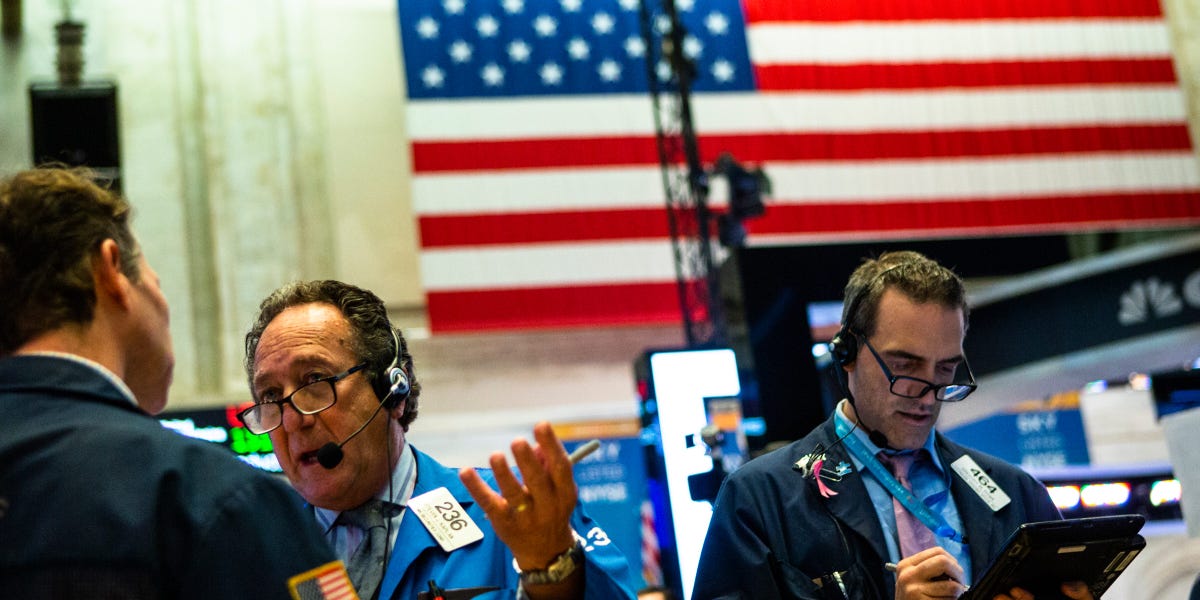
US stocks experienced their worst decline since October on Tuesday as markets reacted to Donald Trump’s latest tariff threats targeting European nations over Greenland. The sell-off accelerated throughout the trading session, with the Dow Jones Industrial Average plunging nearly 900 points while the S&P 500 and Nasdaq each fell more than 2%, according to market data.
The sharp downturn followed Trump’s announcement on Saturday that he would impose tariffs on eight NATO countries, including Denmark, unless the nation agrees to sell Greenland to the United States. The president outlined plans for a 10% tariff on goods exported to the US beginning in February, escalating to 25% by June if Denmark refuses the transaction.
Trump Tariff Threats Trigger Market Volatility
Until recently, investors had largely dismissed Trump’s rhetoric about acquiring the Danish territory as political posturing. However, the introduction of concrete tariff percentages and deadlines appears to have shifted market sentiment considerably. European Union leaders have reportedly discussed retaliatory measures, raising concerns about a potential trade conflict between longtime allies.
In his Truth Social post, the president stated that the United States has pursued this acquisition for over 150 years. He emphasized that new defense initiatives make obtaining Greenland particularly important for American strategic interests, according to the statement.
Additionally, Trump indicated openness to negotiation with Denmark or other affected countries. The president criticized these nations for allegedly putting much at risk despite decades of maximum protection provided by the United States.
Bond Market Experiences Significant Pressure
Meanwhile, the bond market showed signs of strain as long-dated US Treasury yields spiked during the session. A Danish pension fund highlighted tensions by announcing plans to exit the market for US government debt entirely. The fund stated it would dump $100 million in Treasurys due to concerns about poor US government finances, according to reports.
The US dollar declined against a basket of other currencies as investors reassessed American assets. David Morrison, a senior market analyst at Trade Nation, wrote that the sell-off has been driven by investors reducing their exposure to US equities now that Trump tariff threats appear credible rather than merely rhetorical.
However, some analysts suggest tariff-driven corrections could present buying opportunities as earnings season progresses. Morrison noted that the scale and breadth of Trump’s aggressive rhetoric have nevertheless unsettled overall risk appetite in markets.
Safe-Haven Assets Gain as Uncertainty Rises
The latest developments drove a flight to defensive assets, with gold rising 3% and silver jumping 8% on Tuesday. Global investors are clearly adding to the risk premium embedded in US assets, according to Karl Schamotta, chief market strategist at Corpay Cross-Border Solutions. Diversification flows are picking up as uncertainty increases, he noted.
In contrast to previous instances when markets brushed off presidential statements, investors now appear concerned about potential Supreme Court rulings on reciprocal tariffs. This legal uncertainty could add further volatility to trading sessions in coming weeks, analysts indicated.
Japan Bond Market Adds to Global Concerns
Separately, volatility in Japan’s bond market contributed to global market turbulence on Tuesday. The yield on Japan’s 40-year government bond reached a record 4.21% as investors evaluated a new tax cut proposal that has raised deficit concerns. The nation’s 10-year government bond yield increased by more than 10 basis points to approximately 2.38%, a level not seen in 27 years.
Rising yields in Japan have sparked renewed concern about foreign capital flows into US markets. Specifically, investors worry about the unwinding of the yen carry trade, a popular strategy where traders borrow money at low Japanese rates to deploy in higher-return markets like the United States.
Ed Yardeni, President of Yardeni Research, wrote that as a sliding yen triggers intervention speculation, the fate of the massive yen carry trade hangs in the balance. This dynamic could potentially affect liquidity and funding conditions in global markets, analysts suggest.
Market participants will likely monitor developments closely as the February deadline for Trump tariff implementation approaches. The response from European leaders and any potential diplomatic negotiations between the US and Denmark remain key factors that could influence market direction in coming sessions.