



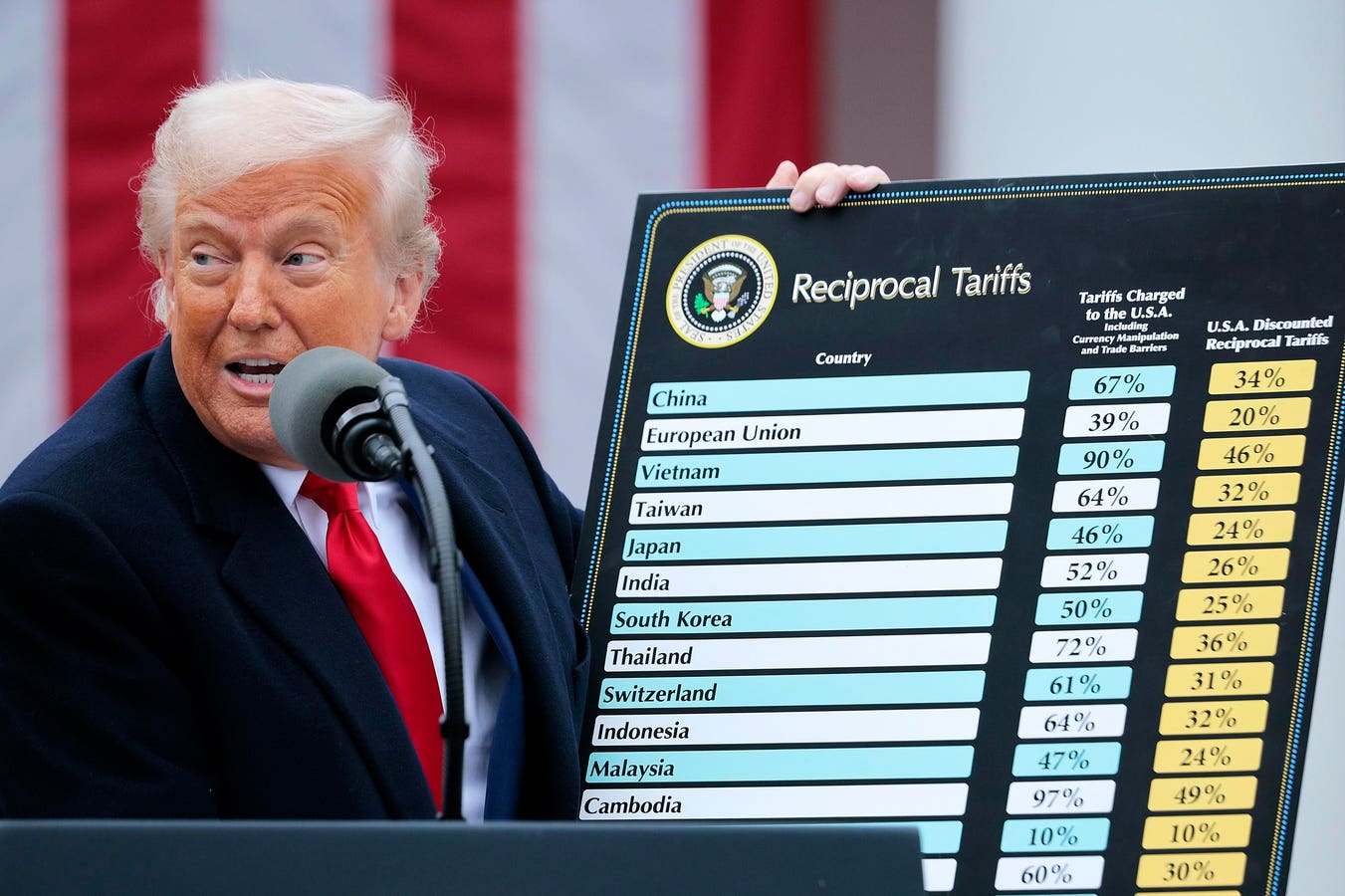
President Donald Trump has turned to Section 122 tariffs following a Supreme Court ruling that declared his previous tariffs under the International Emergency Economic Powers Act illegal. Section 122, a provision of the Trade Act of 1974 enacted during the Nixon era, allows a sitting president to impose temporary tariffs of up to 15% for a maximum of 150 days without Congressional approval. The move represents a shift in the administration’s trade policy approach as it navigates legal constraints on executive tariff authority.
According to the legislation, Section 122 can only be invoked when one of three specific conditions exists: large and serious balance-of-payments deficits, the need to prevent imminent and significant dollar depreciation in foreign exchange markets, or the correction of an imbalance in international payments. The provision was created in response to Congressional concerns about executive overreach following President Nixon’s unilateral imposition of a 10% import surcharge in 1971.
Historical Context Behind Section 122 Tariffs
The origins of Section 122 trace back to August 1971, when Nixon abandoned the gold standard as foreign countries exchanged U.S. dollars for gold at an accelerated rate. The resulting decline in dollar value made imports more expensive for American consumers. Nixon responded by implementing a 10% surcharge on imports to force trading partners to revalue their currencies against the dollar, according to historical records.
This action ultimately led to the Smithsonian Agreement, which established a new dollar standard and limited currency fluctuations against the dollar to 2.25%. After major trading partners signed the agreement, Nixon canceled the surcharge. However, many in Congress questioned whether a president possessed the legal authority to impose such taxation without legislative approval, prompting them to draft the Trade Act of 1974.
Refund Questions Remain Unresolved
The Supreme Court ruling left unaddressed the fate of an estimated $142 to $175 billion in tariffs collected during 2025. According to the Committee for a Responsible Federal Budget, refunding this amount could add $2.4 trillion to the national debt. Additionally, the logistics of issuing refunds remain unclear, including whether U.S. and foreign corporations would need to provide proof of purchases or receipts.
Moreover, legal experts indicate that issuing refunds may open numerous legal challenges from companies seeking compensation beyond what is offered. The question of how corporations would refund their customers who ultimately bore the cost of the tariffs adds another layer of complexity. Until the courts provide specific guidance, the administration faces no immediate obligation to issue refunds.
Alternative Tariff Mechanisms Available
Beyond Section 122 tariffs, the administration has other legal avenues for imposing trade restrictions, though these require more time and procedural steps. Section 301 of the Trade Act of 1974 permits tariffs on foreign trading partners that violate trade agreements or engage in unfair practices. However, the United States Trade Representative must first negotiate with the offending country before implementing Section 301 tariffs.
In contrast, Section 232 allows tariffs to protect national security interests. This provision has previously been invoked when China, Canada, and Mexico sold steel in the U.S. at significantly discounted prices compared to domestic manufacturers, threatening an entire industry. Each mechanism has distinct requirements and timelines that constrain how quickly new tariffs can be implemented.
Economic Uncertainty Creates Business Challenges
The legal constraints on tariff authority have created substantial uncertainty for businesses attempting to plan for future trade conditions. Companies prefer knowing the rules governing trade policy, even unfavorable ones, so they can develop concrete strategies accordingly. The current ambiguity prevents firms from making long-term decisions about supply chains, pricing, and international partnerships.
If economic growth accelerates and inflation remains controlled, increased activity may offset some budgetary pressures from potential refunds. Nevertheless, the budget deficit will likely increase substantially regardless of economic conditions. The uncertainty surrounding trade policy implementation continues to complicate business planning and investment decisions across multiple sectors.
The courts are expected to provide additional guidance on tariff refunds, particularly for companies that have filed lawsuits against the federal government. Until such direction emerges, the full scope of financial implications and the administration’s next steps in implementing trade policy remain unclear.