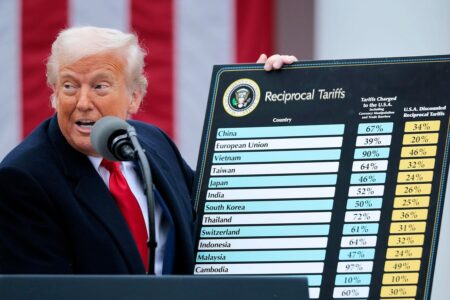





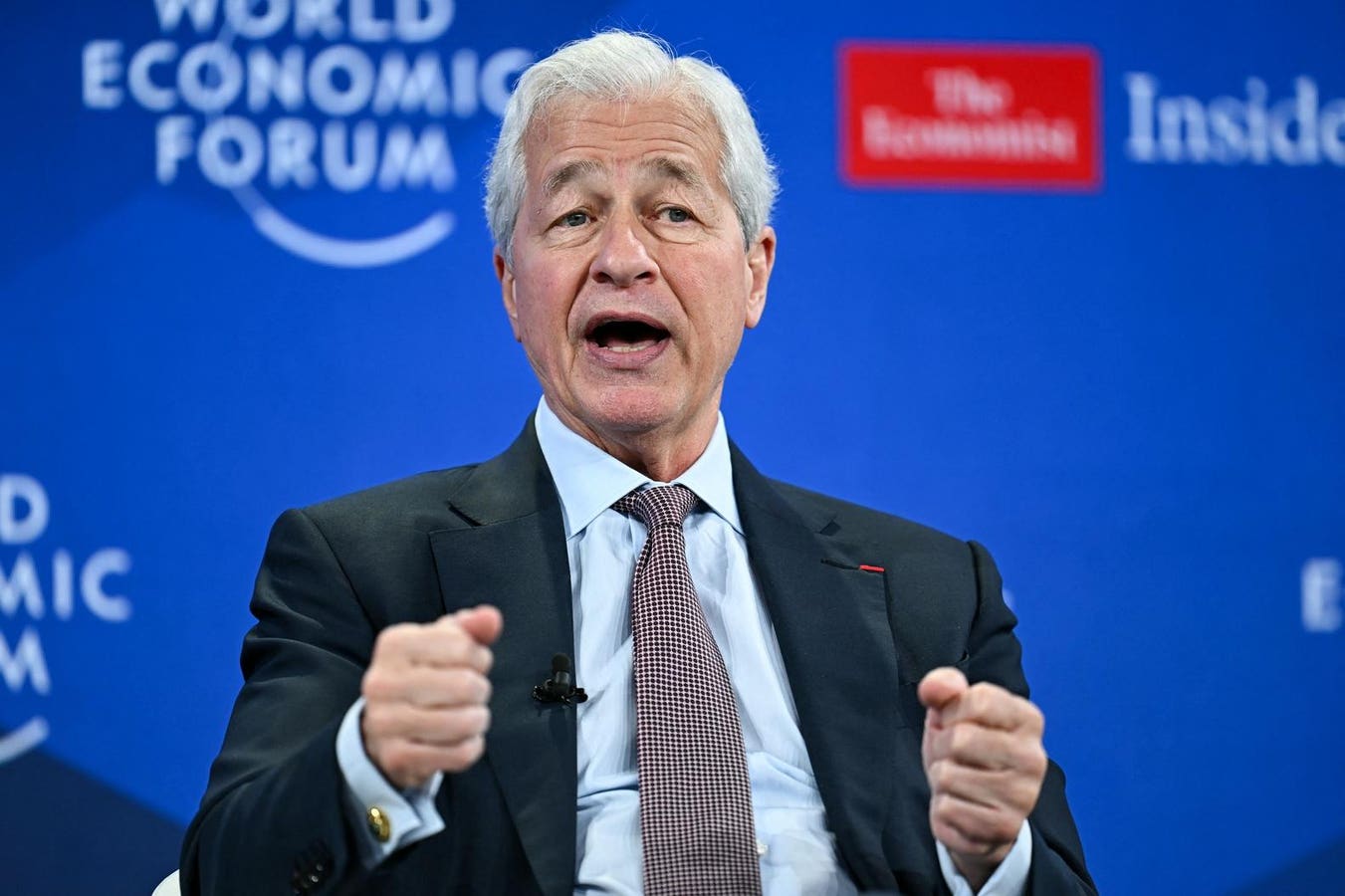
At the World Economic Forum in Davos this week, JPMorgan Chase CEO Jamie Dimon delivered a masterclass in leadership during a conversation with The Economist’s Editor-in-Chief Zanny Minton Beddoes. His measured responses on NATO, credit-card interest rate caps, and America’s global role contrasted sharply with more theatrical displays of power, offering business leaders a blueprint for effective leadership in turbulent times. The discussion highlighted how grounded, rational decision-making can cut through political noise and demonstrate genuine authority.
Dimon addressed multiple pressing issues, including proposed credit-card regulations, geopolitical alliances, and economic policy. His approach consistently emphasized long-term institutional stability over short-term political reactions, according to observers at the forum. The JPMorgan Chase chairman’s commentary comes as global leaders grapple with economic uncertainty and shifting international relationships.
Leadership Through Institutional Respect
As head of the world’s largest bank, Dimon grounds his leadership perspective in institutional responsibility rather than political expediency. He emphasized that his role extends beyond any single administration to the broader economic system affecting hundreds of millions globally. This institutional focus shapes how he evaluates policy proposals and international relationships.
During the Davos discussion, Dimon argued that strengthening NATO and Europe serves American interests. “A stronger NATO and a stronger Europe will be good for America,” he stated, framing the issue as essential to preventing the West from losing its competitive position. His comments reflected concern for democratic institutions and market-based economies as enduring frameworks that transcend individual leaders.
Direct Communication on Economic Policy
Dimon’s sharpest critique addressed proposals for a universal 10% cap on credit-card interest rates, a policy idea repeatedly raised by former President Donald Trump at Davos. The JPMorgan CEO did not soften his assessment, calling such a blanket cap an “economic disaster.” However, his delivery remained analytical rather than emotional, focusing on systemic consequences.
According to Dimon, a universal rate cap would drastically reduce credit-card availability. He explained that restaurants, retailers, and travel companies would suffer most as credit evaporates from the marketplace. His analysis emphasized how well-intentioned consumer protection could backfire by restricting access for those who need it most.
Additionally, Dimon’s position builds on earlier statements from JPMorgan’s finance chief, who described the proposal as “very bad for consumers.” The CEO expanded this critique by detailing how credit markets function as ecosystems where pricing distortions at one level eliminate access at another, pushing vulnerable consumers toward more expensive informal lending.
Understanding Second-Order Leadership Effects
Effective leadership requires analyzing outcomes beyond initial intentions, according to Dimon’s Davos commentary. While rate caps may appear consumer-friendly on the surface, he outlined how such policies would harm small businesses, exclude consumers with weaker credit profiles, and create gaps filled by costlier alternatives. This systems-thinking approach distinguishes reactive decision-making from strategic leadership.
Meanwhile, Dimon has worked deliberately to maintain communication channels with Trump despite policy disagreements. This pragmatic engagement demonstrates that leadership can preserve principles while building relationships across political divides. At Davos, he discussed geopolitical risks and America’s global role without personal attacks, articulating a worldview rooted in democratic alliances and stability.
Jamie Dimon Leadership Model Based on Curiosity
The conversation’s effectiveness owed much to Minton Beddoes’ questioning approach, which prioritized insight over confrontation. She pressed Dimon on artificial intelligence, productivity, labor markets, and global risk without theatrical scoring of political points. Dimon responded with acknowledgment of uncertainty and resistance to simplistic slogans, demonstrating how authority can derive from clarity rather than volume.
In contrast to leadership styles that emphasize dominance and immediate reactions, Dimon’s approach offers an alternative model. He anchors decisions in rational judgment and institutions designed to outlast individuals. His commentary focuses on consequences rather than intentions, respects complexity instead of oversimplifying challenges, and engages differences without abandoning core principles.
The JPMorgan Chase CEO’s performance at Davos illustrates leadership without theatrical display. His measured analysis of credit-card regulation, NATO’s importance, and economic policy provides a framework for business leaders navigating political uncertainty. While Dimon’s specific policy positions may face debate, his communication style offers lessons in maintaining credibility while addressing contentious issues.
The practical implications of Dimon’s leadership approach remain to be seen as policy debates continue in Washington. However, his emphasis on institutional stability and long-term thinking provides a counterpoint to more reactive governance styles, though the ultimate effectiveness of this model will depend on whether policymakers heed such analytical warnings.